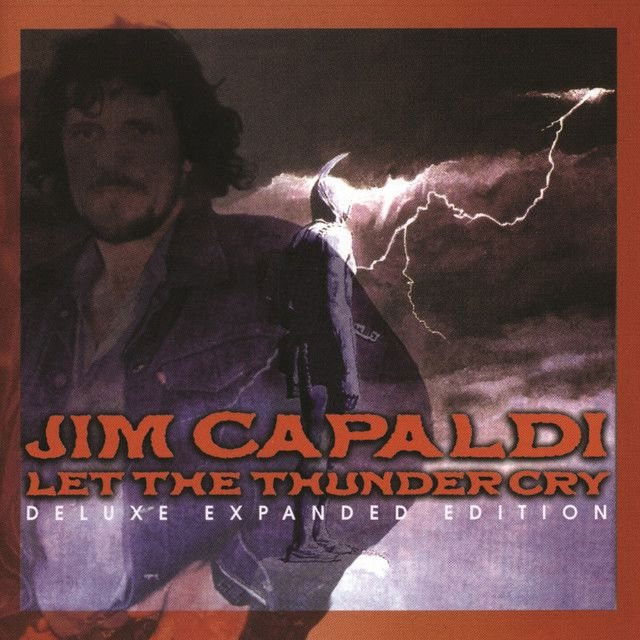
Why 'Old Photographs' by Jim Capaldi Still Hurts
A song about distance that feels painfully close
The meaning of Old Photographs Jim Capaldi comes through fast: this is a song about memory, homesickness, and the way love survives distance. The narrator is far from someone or someplace important, and that separation shapes every line. What makes the song moving is that it never sounds dramatic for the sake of it. Instead, it sounds tired, honest, and deeply human.
"Old Photographs" - Jim Capaldi
Feel like I'm getting older
Still I can't forget your face
Loading lyrics...
Unable to load lyrics
We're unable to display the lyrics at this time. Please try again later.
Jim Capaldi was known as a singer-songwriter and as a founding member of Traffic, a band praised for mixing rock with folk, jazz, and introspective writing. That background matters here. “Old Photographs” carries the reflective side of that tradition, leaning on simple images rather than flashy storytelling.
Watch the official Old Photographs
music video
Memory is the real engine of the lyric
At the center of the song is a person who cannot stop looking backward. The opening image of wind and age suggests time passing, while the memory of a face remains fixed. When the lyric says getting older
, it does more than mark time. It hints that growing older has not brought peace. It has only made old feelings settle deeper.
The next key idea is separation. The song mentions being divided by huge physical distance, even an ocean, but emotional distance never fully takes hold. The heart still reacts. In plain terms, the singer may be far away, but memory keeps the bond alive.
That is why the title image matters so much. Old photographs
are not just objects. They stand for frozen time. A photograph captures a place, a face, or a period of life that cannot be revisited in the same way again. The song treats those images like emotional evidence: proof that something real existed and still has power.
The strongest theme is longing for home
Home means more than a location
The emotional core of the song arrives in its repeated pull toward home. The lyric contrasts glamorous movement with simpler places. When it mentions diamond-studded highways
, the idea seems to be success, travel, or modern life. But those shiny roads do not satisfy the speaker.
What they miss instead are country lanes and byways
. That contrast is crucial to the meaning of Old Photographs Jim Capaldi. The song argues that comfort does not come from status or spectacle. It comes from familiarity, roots, and the places that formed a person.
This idea works on two levels:
- Literal reading: the narrator is away from their homeland or hometown.
- Interpretation: “home” also means emotional belonging, not just geography.
The repeated desire to return makes the song feel universal. Many listeners in the United States connect with that feeling, whether they think of childhood, family, a past relationship, or simply a version of life that felt more whole.
The plot moves from hope to resignation
There is a small but clear story inside the song. First, the narrator remembers. Then they daydream about returning. Then they admit the truth: the road may not end, and the return they want might never happen.
That shift gives the lyric its real sting. For a moment, the song opens a door through plans and fantasies. The speaker imagines a way back. But that hope collapses under a darker insight. Life keeps moving, and some separations become permanent.
The final lines widen the song from one person’s pain to something almost philosophical. People may chase goals, travel widely, and climb toward success, but they often do it in isolation. The image of climbing alone turns private sadness into a broader statement about adulthood.
That makes us longFor home
Those lines are simple, but they land hard because they gather everything before them into one truth: achievement and motion do not erase loneliness.
How the sound supports the meaning
Even without dense lyrics, the song’s style helps deliver its message. Capaldi’s work often sat in the space between rock and singer-songwriter reflection, and this song fits that mold. The arrangement feels measured rather than aggressive, giving the words room to breathe.
A song like this usually depends on a few elements working together:
- a steady tempo that suggests travel or passing time
- warm melodic phrasing that keeps the sadness gentle
- restrained instrumentation that lets memory stay in focus
- a vocal delivery that sounds weary, not theatrical
That matters because the song is not about a sudden breakup or a loud crisis. It is about a feeling that has lasted too long. The softer rock setting helps the listener sit inside that ache instead of being pushed through it.
A few images do most of the heavy lifting
The lyric is full of simple but effective symbols. The “wind” suggests time and exposure. The “ocean” stands for great separation. The “ember” shows memory still glowing, even after the fire has died down. None of these images are difficult to understand, but together they create a rich emotional world.
Interpretation: the dying ember may be the song’s most revealing symbol. It suggests that the past is not fully alive, yet not fully gone either. The memory still burns enough to shape the present.
That is why the song feels sad without becoming hopelessly bleak. The speaker still feels. That pain is also proof of connection.
Why the song still resonates
“Old Photographs” lasts because it speaks to a common experience: realizing that progress does not cancel longing. Many songs celebrate escape, freedom, or reinvention. This one quietly asks what gets lost along the way.
For listeners, the song can mean different things. Interpretation: some hear a love song across distance. Others hear an exile story, or even a meditation on touring, aging, and the emotional cost of ambition. The lyric supports all three because it stays open and image-based.
In the end, the meaning of Old Photographs Jim Capaldi is less about one event than one condition of life: they keep moving forward while part of them remains behind. That tension gives the song its staying power.
Disclaimer: This interpretation is based on the song’s lyrics, musical style, and available artist context. As with any song, listeners may reasonably hear different meanings in it.







