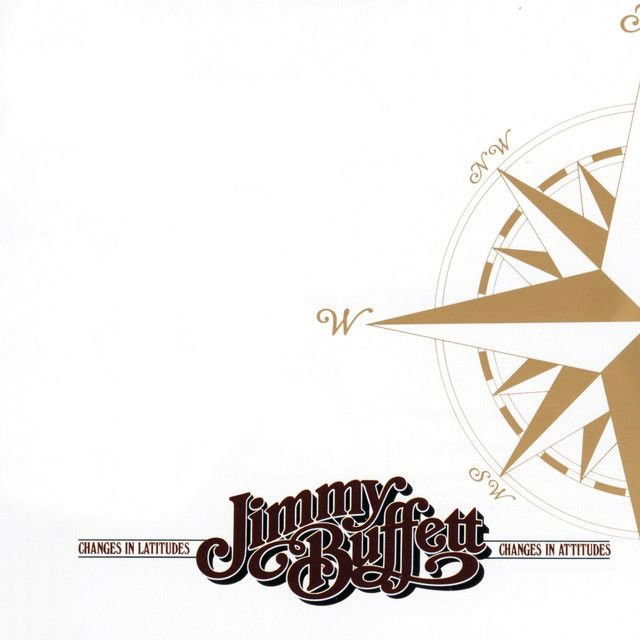
Why Buffett Turned Travel Into a Life Philosophy
The meaning of Changes In Latitudes, Changes In Attitudes Jimmy Buffett starts with a simple idea: where people go can change how they think. Jimmy Buffett turns travel, memory, and humor into a small philosophy for living. The song sounds breezy on the surface, but underneath the island glow, it is about aging, looking back, and choosing laughter over bitterness.
"Changes In Latitudes, Changes In Attitudes" - Jimmy Buffett
Just to try and recall the whole year
All of the faces and all of the places
Loading lyrics...
Unable to load lyrics
We're unable to display the lyrics at this time. Please try again later.
Released in 1977 as the title track of his album Changes in Latitudes, Changes in Attitudes, the song became one of Buffett’s signature recordings. According to Wikipedia, it was issued as a single in August 1977 and produced by Norbert Putnam and Buffett. It also crossed pop, adult contemporary, and country charts, which fits a song that blends easygoing style with a surprisingly thoughtful message.
A Vacation Song With a Bigger Point
On its surface, the narrator is a restless traveler. They revisit the past, think about old faces and places, drift through airports, and dream about getting back on the water. These details make the song feel casual and lived-in, not dramatic.
But Buffett is doing more than listing destinations. The chorus turns all that movement into insight. When he sings changes in latitudes
, he connects geography to mindset. In other words, new places can shake loose old habits, and distance can help a person survive disappointment.
That is why the next key phrase matters so much: changes in attitudes
. The song argues that growth is not only external. The real journey happens inside. Travel becomes a metaphor for emotional adjustment.

Watch the official Changes In Latitudes, Changes In Attitudes
music video
The Story Moves Through Memory, Then Forward
The verses follow a loose timeline that mirrors the way memory works:
- The narrator takes a short break and tries to remember the year.
- Instead of finding one neat lesson, they fall into food, drink, and conversation.
- Airports trigger memories of past pleasures and past motion.
- Thoughts of Paris and the ocean show how desire keeps pulling them onward.
- By the end, they accept that the future matters more than perfect nostalgia.
This structure matters because the song never gets trapped in sadness. It starts with reflection, but it refuses to stay there. Even when the singer admits that old times are gone, they do not collapse into regret.
A short multi-line passage captures that turn well:
yesterdays are over my shoulder
too much to see
Those lines condense the song’s worldview. The past is real and meaningful, but it should not block the next horizon.
What the Chorus Really Means
The chorus is famous because it is catchy, but it lasts because it carries Buffett’s main belief. Nothing stays fixed. Places change. People change. Success, failure, friendship, and romance all move around.
The line about laughing so they do not go insane gives the song its emotional center. Buffett is not saying life is always light. He is saying life is unstable enough that humor becomes a survival skill.
Interpretation: this is why the song feels more mature than a simple beach anthem. It treats pleasure not as escape alone, but as wisdom. A joke, a drink, a trip, or a sail can help a person keep balance when the world will not hold still.
Travel Images That Stand for Freedom
Buffett fills the song with moving symbols: airports, islands, highlands, Paris, the ocean, and sailing. None of them are just postcards. They all point to freedom, change, and reinvention.
The airport is especially important. It is not a destination but a threshold. Reading departure signs means standing between one version of life and another. That matches a song about transition.
The ocean does similar work. When the narrator wishes they were sailin' again
, it suggests more than a hobby. Sailing represents self-direction. On the water, a person is still vulnerable, but they are also choosing their course.
How the Music Supports the Message
The production helps explain the song’s meaning. The arrangement opens with an instrumental figure that echoes “Yellow Bird” before sliding into Buffett’s own chorus, a detail noted by Wikipedia. That musical wink places the song in a tropical, pan-Caribbean sound world right away.
Critics at the time noticed that blend. Billboard praised its sun-drenched island feel and Caribbean instrumentation, while also hearing a more serious tone than Margaritaville. Cash Box highlighted the harmonica and described the lyrics as philosophical.
That assessment still fits. The groove is relaxed, but not lazy. The melody is open and singable. Buffett’s vocal delivery sounds conversational, which makes the life lesson feel earned rather than preachy. The music says: yes, things change, but they can be met with grace.
Buffett’s Persona, Refined
This song matters in Buffett’s catalog because it sharpens the persona many listeners know: the wanderer who enjoys pleasure but also thinks hard about impermanence. It was not his biggest hit, but it became part of his concert staple “Big 8,” showing how deeply fans connected to it.
Interpretation: listeners often hear the song as an anthem for escape. That is true, but only partly. It is also about adaptation. Buffett suggests that paradise is not only a place on a map. Sometimes it is the attitude that lets a person live with loss, motion, and uncertainty.
The Lasting Meaning of Changes In Latitudes, Changes In Attitudes
In the end, the meaning of Changes In Latitudes, Changes In Attitudes Jimmy Buffett is about perspective. The song says life keeps shifting, memory is unreliable, and the future keeps calling. Rather than resist that truth, the narrator learns to move with it.
That is why the song still connects. It offers a beachside philosophy with real emotional weight: go somewhere new, laugh when things break, and keep looking ahead.
Disclaimer: This interpretation draws on the lyrics, recording context, and public reception, but song meaning can remain personal and open to different readings.








