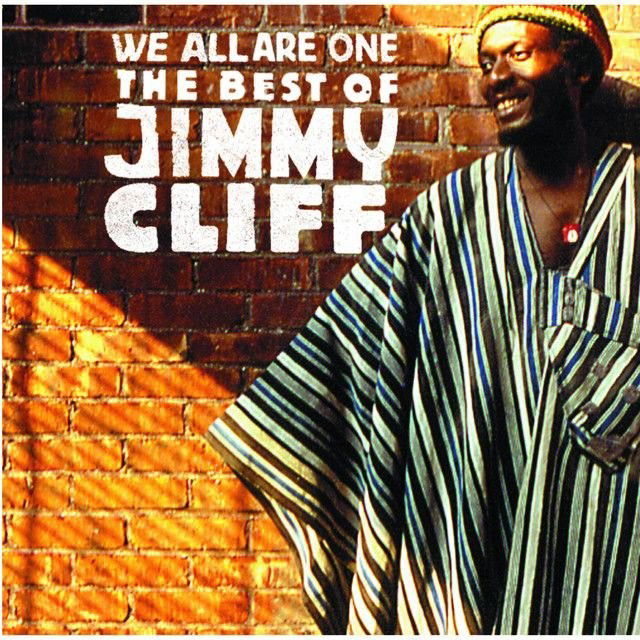
Why Jimmy Cliff's Song Still Pushes People On
The meaning of You Can Get It If You Really Want Jimmy Cliff comes down to a clear but durable idea: hope is real, but it must be earned. Jimmy Cliff turns that message into something more than a slogan. They present ambition as a long road, one filled with setbacks, doubt, and outside resistance.
"You Can Get It If You Really Want" - Jimmy Cliff
You can get it if you really want
You can get it if you really want
Loading lyrics...
Unable to load lyrics
We're unable to display the lyrics at this time. Please try again later.
Released by Jimmy Cliff on 21 July 1970 and written by Cliff himself, the song became one of the best-known motivational statements in reggae. It was later amplified by other versions, especially Desmond Dekker's hit cover, which reached No. 2 in the UK, helping the song travel far beyond Jamaica. Those release details are widely documented in reference sources on the song's history and chart life.
A Chorus That Refuses to Quit
The song's central line, you can get it
, sounds simple on purpose. Cliff does not promise easy success. Right after that hope comes discipline: you must try
. That pairing is what gives the song its force.
Instead of treating desire as enough, the lyric says wanting something must lead to action. The repeated hook works like self-encouragement. Each return to the chorus feels less like fantasy and more like training the mind to keep moving.
Interpretation: This is why the song has lasted. It is not selling magic. It is teaching endurance in the language of pop and reggae.

Watch the official You Can Get It If You Really Want
music video
Hard Truths Under the Sunshine
One reason the song still connects is that it admits life can be rough. Cliff includes warnings about opposition and struggle, not just dreams. When they mention persecution you must fear
, the song widens from private motivation to a bigger reality: the world can be unfair.
That matters because it keeps the message credible. The lyric does not deny pain. It says hardship is part of the path. Another key phrase, get your share
, suggests more than personal success. It hints at dignity, survival, and claiming what one deserves.
Interpretation: In that sense, the song can be heard two ways at once:
- as personal encouragement for anyone chasing a goal
- as a social message about persistence under pressure
That double meaning fits Cliff's broader place in reggae, a genre that often joins uplift with social reality.
How the Verses Build the Lesson
The verses move like advice from someone who has lived through disappointment. First, they acknowledge a dream. Then they warn that reaching it may be harder than expected. After that, they stress time and patience.
The best example is the reference to Rome not being built quickly. It is a familiar saying, but in this song it does real work. It lowers the heat of frustration. If progress is slow, that does not mean failure has arrived.
"But the harder the battle, you see
Is the sweeter the victory"
That brief moment captures the emotional trade at the center of the song. The pain of effort increases the value of the win. Cliff turns struggle into proof that the prize matters.
Why the Sound Makes the Message Land
The production helps explain why the song feels encouraging instead of preachy. The original recording is a lean reggae track, with a steady offbeat pulse, bright rhythm guitar, and a groove that stays relaxed even when the lyric talks about difficulty. Producers Leslie Kong and John Kelly are commonly credited with shaping that original single.
That musical choice is important. If the track were too heavy, the message might sound burdened. If it were too cheerful, the warnings in the lyric might feel fake. Instead, the song balances both. The rhythm suggests forward motion, while Cliff's vocal has warmth and conviction.
They do not sound like a drill sergeant. They sound like someone offering reassurance from experience. Even the repeated ending, including the push to keep on trying
, feels communal, almost like a crowd lifting someone back to their feet.
Jimmy Cliff's Context Matters Too
Jimmy Cliff was one of the first Jamaican artists to help bring reggae to global audiences. That matters when thinking about this song's impact. It was not just another pep tune dropped into the market. It came from an artist whose work often mixed uplift, struggle, and social observation.
The song also gained added life through its use in The Harder They Come and later film and TV placements, which helped keep it in circulation for new listeners. Because of that afterlife, people often meet the song in moments where a character is trying to survive, improve, or start over. That setting strengthens its meaning.
Why It Still Feels True
The reason the song survives is that its optimism has conditions. Cliff never says success is guaranteed on demand. They say effort, time, and resilience are required. That makes the message stronger, not weaker.
For American listeners today, the song still lands because it speaks to work, pressure, ambition, and recovery without sounding cynical. It believes in progress, but it knows the cost.
So the meaning of You Can Get It If You Really Want Jimmy Cliff is not just "follow your dreams." It is closer to this: dream seriously, expect resistance, and keep going anyway. The victory matters because the road is hard.
Disclaimer: This interpretation is based on the lyrics, recording context, and the song's public history. As with all art, listeners may hear different meanings in it.







