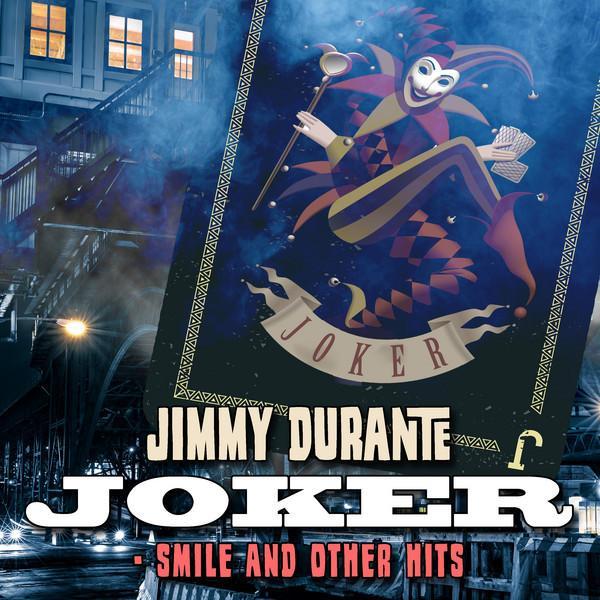
What 'Smile' by Jimmy Durante Really Means
The meaning of Smile Jimmy Durante comes down to a simple but powerful idea: hope is not the absence of pain. It is the decision to keep going while pain is still present. That is why this old standard still lands with listeners in the United States today. It sounds gentle on the surface, but its message is tougher than it first appears.
"Smile" - Jimmy Durante
Though your heart is achin'
Smile,
Loading lyrics...
Unable to load lyrics
We're unable to display the lyrics at this time. Please try again later.
Jimmy Durante did not write the song. It began as an instrumental theme by Charlie Chaplin for Modern Times in 1936, and lyrics were added in 1954 by John Turner and Geoffrey Parsons, according to reference material on the song’s history. Durante became one of the voices most closely linked to it, and his reading gives the song a deeply human quality.
A Song About Courage, Not Cheerfulness
Many listeners hear the title and assume the song is simply telling people to be positive. But that reading is too shallow. The lyric repeatedly admits that the listener is hurting. Phrases like your heart is achin'
and fear and sorrow
make it clear that this is not a carefree tune.
Instead, the song argues that emotional strength can exist alongside grief. It says that even when tears are close, they do not have to define the whole future. That is the emotional center of the meaning of Smile Jimmy Durante: resilience with sadness still in the room.
Interpretation: The song is less about pretending everything is fine and more about preserving a tiny piece of hope when life feels unstable.

Watch the official Smile
music video
Where the Song’s Message Comes From
The history matters here. Chaplin’s melody came from Modern Times, a film about surviving hardship in an industrial world. Later lyricists shaped that melody into a message song, turning the instrumental feeling into direct advice. That background helps explain why the words feel both tender and stern.
The lyric is built around a promise of change. It points to clouds, tears, and sorrow, then answers them with the image of light returning. The phrase sun come shinin' through
is simple, but it gives the song a full emotional arc: darkness first, then a possible opening.
That promise is careful, though. It does not guarantee instant relief. The word “maybe” is one of the song’s smartest choices. It leaves room for uncertainty, which makes the encouragement feel more honest.
Why Jimmy Durante’s Voice Changes the Meaning
A different singer could make “Smile” sound polished or sentimental. Durante makes it sound lived-in. His voice is not sleek; it is weathered, warm, and slightly cracked. That matters because the message is easier to trust when it comes from someone who sounds like they have seen trouble.
How the Performance Carries the Emotion
The arrangement usually associated with classic versions of “Smile” leans on orchestra, slow tempo, and soft dynamic control. That musical setting supports the lyric’s message. Strings create tenderness, while the steady pace keeps the song from becoming dramatic in a flashy way.
Durante’s phrasing also helps. He does not rush the key ideas. When he leans into lines about trying, crying, or holding on, the pauses make the song feel like advice offered face to face rather than a slogan.
Light up your face with gladness
Hide every trace of sadness
Those lines can sound severe if taken alone. But in performance, they usually come across as compassionate urging, not a command to erase pain.
The Tension at the Heart of the Lyrics
This is where the song gets interesting. It comforts, but it also asks a lot of the listener. Lines like keep on tryin'
and what's the use of cryin'
push toward endurance.
Some listeners find that inspiring. Others may hear it as a little demanding, especially by modern standards, because today people often value openness about mental health and grief. Both reactions are fair.
Interpretation: The song reflects an older ideal of bravery—one that values self-control, dignity, and public calm. At the same time, it still works because it does not deny suffering. It starts with suffering and answers it with perseverance.
Why the Song Still Endures
“Smile” has lasted because its central conflict never gets old. People still want comfort that does not feel fake. This song offers exactly that balance. It recognizes pain, then nudges the listener toward tomorrow.
Its cultural life has also helped. The song became a major standard after the 1950s and has been recorded by many artists. It also reached newer audiences through later film use, including Joker, which featured Jimmy Durante’s recording and echoed the Chaplin connection in an unsettling way. That contrast shows how flexible the song is: it can feel sincere, nostalgic, eerie, or heartbreaking depending on context.
The Real Takeaway Behind "Smile"
In the end, the meaning of Smile Jimmy Durante is not “just be happy.” It is closer to this: when life hurts, they can still hold onto a small act of faith. A smile in this song is not proof that pain is gone. It is proof that pain has not won.
That is why Durante’s version remains so affecting. They hear not empty optimism, but hard-earned kindness.
Disclaimer: This interpretation separates documented song history from critical reading. Meanings can vary by listener, performance, and personal experience.








