Why Jimmy Page’s “Prison Blues” Feels Trapped
The meaning of Prison Blues Jimmy Page starts with a simple image: a man stuck behind bars. But this song is not really a crime story. It plays more like a rowdy blues performance about desire, frustration, bravado, and feeling trapped by urges they cannot control.
"Prison Blues" - Jimmy Page
I've been a bad boy all night long, oh yes I have,
Yes, I've been a bad boy honey,
Loading lyrics...
Unable to load lyrics
We're unable to display the lyrics at this time. Please try again later.
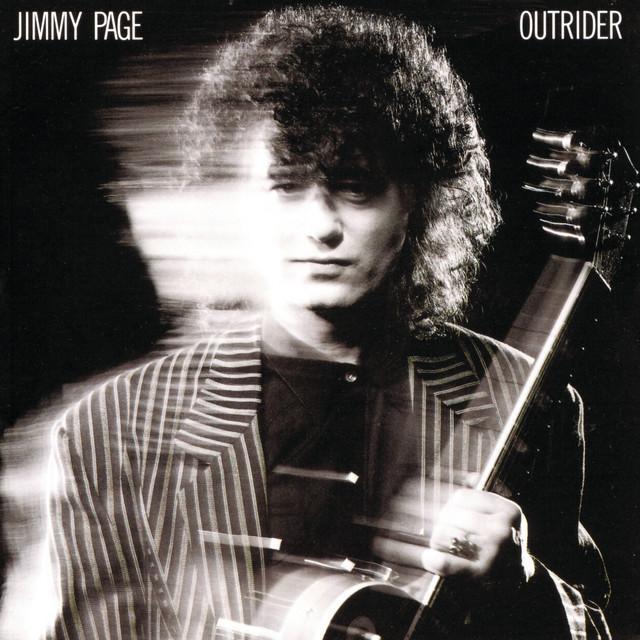
Released on Jimmy Page’s 1988 solo album Outrider, the track features Chris Farlowe on lead vocals and was written by Page and Farlowe. That context matters. This is Page stepping into blues-rock on his own record, using an old-school, rough-edged style rather than trying to recreate Led Zeppelin exactly.
A Jailhouse Story That Works as a Metaphor
On the surface, the narrator says they are in prison and may never get free. They complain, boast, threaten to leave, and then admit they are stuck. That mix of swagger and helplessness is the key to the song.
Interpretation: the prison is less a literal cell than a symbol for a life ruled by lust, bad choices, and restless blues misery. Early lines like bad boy
present the speaker as someone who almost enjoys their own trouble. They know they are reckless, but they also perform that recklessness like a badge of honor.
That is common in traditional blues writing. A singer can sound funny, wounded, sexual, and self-destructive all at once. “Prison Blues” follows that pattern. It uses the prison image to turn private frustration into a dramatic scene.
Watch the official Prison Blues
music video
The Voice Behind the Bars
Chris Farlowe’s vocal is central to how the song works. He does not sing like a cool, distant narrator. He sounds big, raw, and theatrical, which makes the words feel half-confession and half-barroom performance.
When the narrator says a woman would not even telephone
, the complaint sounds petty at first. But it also reveals something important: they feel ignored, cut off, and powerless. That emotional isolation connects directly to the prison image. Even before the song talks openly about bars and walls, the speaker already feels shut out.
Desire, Comedy, and Dirty Blues Tradition
Some of the song’s imagery is openly sexual and comic. The rabbit, weasel, and hole language is not subtle. It draws on a long blues tradition of coded animal imagery and innuendo.
Interpretation: these lines are not just there for shock value. They show a speaker who turns everything into appetite and impulse. That matters because it helps explain the later “prison.” The same hunger that fuels their swagger also traps them.
How the Song Moves From Boast to Defeat
The song has a loose narrative, but its emotional direction is clear:
- The speaker introduces themselves as trouble.
- They complain about a failed connection.
- They shift into sexual bragging and escape fantasy.
- They admit they cannot get out.
- They end in a mood of grim endurance.
The strongest turn comes when the song moves to get out of this prison
. That line takes the earlier joking energy and gives it real weight. Suddenly, the character is not just naughty or wild. They are cornered.
Then comes the image of trying to climb the wall, only to fear the fall. That detail is small but revealing. The speaker wants freedom, but they are also scared of what freedom demands. They can imagine escape more easily than they can achieve it.
stay in this prison
till the day that I die
Those short lines sum up the song’s darkest idea. The prison may be miserable, but it has become familiar. In blues songs, pain can turn into identity. A person may hate their condition and still cling to it because it is the only self they know.
Why the Music Sells the Meaning
Musically, “Prison Blues” leans into thick blues-rock force. According to the credits for Outrider, Page produced the album himself, played guitars, and had Jason Bonham on drums for this track, with Felix Krish on bass. That lineup helps explain the feel: hard-hitting rhythm, weighty groove, and space for guitar attack.
Page’s playing is the emotional engine. Reviews of Outrider were mixed, but even critical notices often pointed to his texture and guitar tone as major strengths. Here, the guitar sounds wiry, nasty, and alive. It does not polish the song’s roughness away. It underlines it.
Interpretation: the soloing and riffing act like the narrator’s inner pressure made audible. The music pushes against the cage even when the lyrics admit defeat. That tension between musical motion and lyrical confinement is one reason the track stands out.
Jimmy Page Context Matters Here
“Prison Blues” appears late on Outrider, Page’s first solo studio album, released in 1988 by Geffen. The record reached No. 26 on the Billboard 200 and later earned Gold certification in the United States, according to Billboard and the RIAA. In that setting, “Prison Blues” sounds like Page reconnecting with one of his deepest roots: amplified blues.
An American Songwriter piece even called the track a “straight-up blues-rock masterpiece.” That is opinion, not fact, but it captures why listeners return to it. The song may be messy on purpose, yet its mess has character.
The Best Way to Read “Prison Blues”
The meaning of Prison Blues Jimmy Page is not about legal guilt alone. It is about a person boxed in by longing, ego, and habit. They posture like a rebel, joke like a rogue, and sing like they can break free. But underneath that show is someone who knows they are caught.
That is what gives the song its bite. It treats prison not just as a place, but as a state of mind.
Final takeaway
“Prison Blues” works because it mixes humor, lust, fear, and self-made trouble into one loud blues-rock performance. They present a narrator who talks tough but cannot outrun their own patterns.
Interpretation disclaimer: song meanings are not fixed facts. This reading is based on the lyrics, performance, and available context around the recording.
Sources
- https://en.wikipedia.org/wiki/Outrider_(album)
- https://americansongwriter.com/3-eternal-jimmy-page-songs-not-with-led-zeppelin/
- https://www.billboard.com/artist/Jimmy-Page/chart-history/TLP
- https://www.riaa.com/gold-platinum/?tab_active=default-award&ar=Jimmy+Page&ti=Outrider&format=Album&type=#search_section








