Why ‘Bright Lights, Big City’ Still Hurts
The meaning of Bright Lights, Big City Jimmy Reed comes down to a simple but painful idea: a person they love has been pulled away by the promise of city life. Jimmy Reed turns that loss into a warning, but not a cruel one. The song sounds resigned, wounded, and oddly tender at the same time.
"Bright Lights, Big City" - Jimmy Reed
They gone to my baby's head
Whoa, bright light, an big city
Loading lyrics...
Unable to load lyrics
We're unable to display the lyrics at this time. Please try again later.
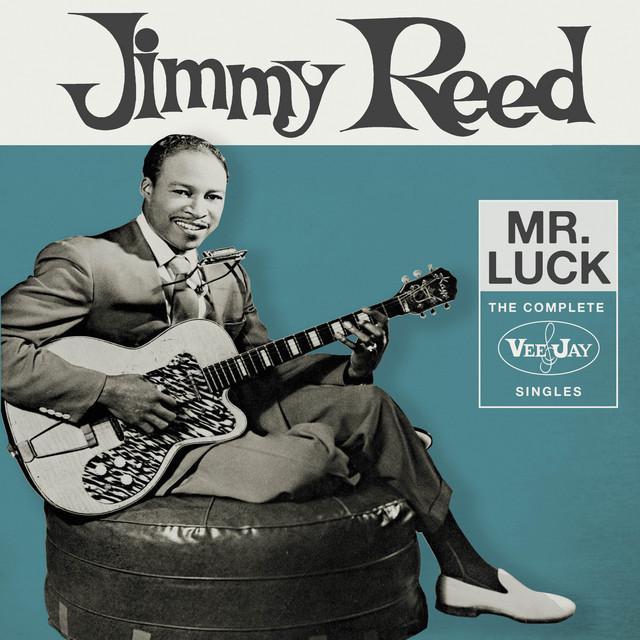
Recorded in Chicago in 1961 and released that August on Vee-Jay, the song became one of Reed’s biggest hits, reaching No. 3 on the U.S. R&B chart and No. 58 on the Hot 100, according to Wikipedia’s song entry. It was later included on Jimmy Reed at Carnegie Hall. That success makes sense: the story is specific, but the feeling is universal.
A Love Song Disguised as a Warning
At the center of the song is a narrator watching someone change. When Reed sings bright lights, big city
, he is not praising excitement or freedom. He is naming the force that has distracted his partner and pulled her away from home, trust, and maybe from him too.
The key phrase gone to my baby's head
suggests more than a change of address. It implies intoxication. The city is not just a place; it is a mood, a temptation, and a fantasy. In plain terms, the narrator believes nightlife, glamour, and attention have clouded her judgment.
This is why the song works as a cautionary tale. It is not really about urban geography. It is about seduction by status, pleasure, and illusion.

Watch the official Bright Lights, Big City
music video
The Speaker Sounds Hurt, Not Vengeful
One reason the song lasts is its emotional balance. The narrator does not sound like he wants revenge. He sounds disappointed and sad. Even when he says he tried to warn her, the point is not to win an argument. The point is that she would not listen.
That feeling comes through in the repeated idea that she will need my help someday
. On paper, that line could sound smug. In performance, though, it lands more like sorrowful foresight. He thinks she is headed toward regret, and he hates watching it happen.
The tenderness becomes even clearer when he says I still love ya baby
. That short phrase changes the song. Without it, the track could be read as a bitter complaint about a woman leaving. With it, the song becomes more layered: he feels rejected, but his attachment remains.
A Three-Step Story of Temptation and Regret
The narrative is easy to follow, and that simplicity helps the song hit harder.
- The narrator sees that city life has changed his partner.
- He remembers warning her, but she ignored him.
- He predicts that one day she will understand what he meant.
That structure is classic blues storytelling. Reed does not need plot twists. He circles the same wound from different angles until the emotion becomes unmistakable.
It’s alright, pretty baby
need my help someday
Those lines sum up the song’s emotional conflict. He is letting her go, at least outwardly, but he is also keeping the door open. That mix of pride and lingering care gives the song its sting.
The City as Symbol, Not Just Setting
A big part of the meaning of Bright Lights, Big City Jimmy Reed is symbolic. The city stands for modern temptation. Brightness means glamour. Size means overwhelming possibility. Together, they represent a world that can make ordinary loyalties seem small.
Interpretation: the song may also reflect a broader blues theme: migration and dislocation. Chicago was a real center of Black musical life and opportunity, but it could also symbolize risk, restlessness, and moral pressure. Reed does not turn that idea into social commentary in a direct way, yet the setting still matters.
The song’s repeated contrast is clear:
- home vs. nightlife
- loyalty vs. thrill
- warning vs. denial
- love vs. ego
That is why the hook feels so memorable. It compresses a whole relationship crisis into a few ordinary words.
How the Sound Carries the Message
The performance deepens the lyric meaning. Research commonly describes the song as built on a traditional twelve-bar blues and Reed’s signature steady-rolling style. That matters because the groove never panics. It keeps moving, almost casually, while the story underneath is painful.
Reed’s delivery is key. He sounds worn-in rather than theatrical, which makes the hurt feel believable. His harmonica adds a lonely, conversational quality, as if the instrument is answering the vocal. The guitars and rhythm section keep the track grounded, and that steadiness mirrors the narrator’s stance: he is upset, but he is trying to stay composed.
The recording is also associated with a duet feel involving Mama Reed, and that slight call-and-response quality gives the song an extra human texture. Instead of sounding isolated, the performance feels lived-in, like a story repeated enough times to become a hard truth.
Why the Song Reached Beyond Blues
The song’s message traveled well because it is bigger than one genre. Country artists, rock musicians, and blues performers could all hear themselves in it. A lover getting pulled away by excitement is a timeless setup.
Its legacy also supports that point. The song has been recognized as part of the standard blues repertoire and was included in the Rock and Roll Hall of Fame’s list of songs that shaped rock and roll. That influence comes from more than a catchy hook. It comes from how neatly Reed joins plain language, emotional clarity, and a groove that feels inevitable.
The Lasting Takeaway
So what is the meaning of Bright Lights, Big City Jimmy Reed? At heart, it is a blues warning about how glamour can distort love and judgment. The narrator sees someone he still cares about being swept up by a world that looks exciting now but may leave her empty later.
Interpretation: listeners can hear the song either as a personal breakup story or as a larger statement about temptation and self-deception. Both readings fit the lyric and the mood.
In the end, Reed makes the song memorable because he refuses to choose between love and frustration. He holds both. That emotional split is exactly why the record still feels alive.
Disclaimer: This interpretation is based on the released lyrics, performance, and documented song history. As with most blues songs, meanings can remain open to individual listeners.








