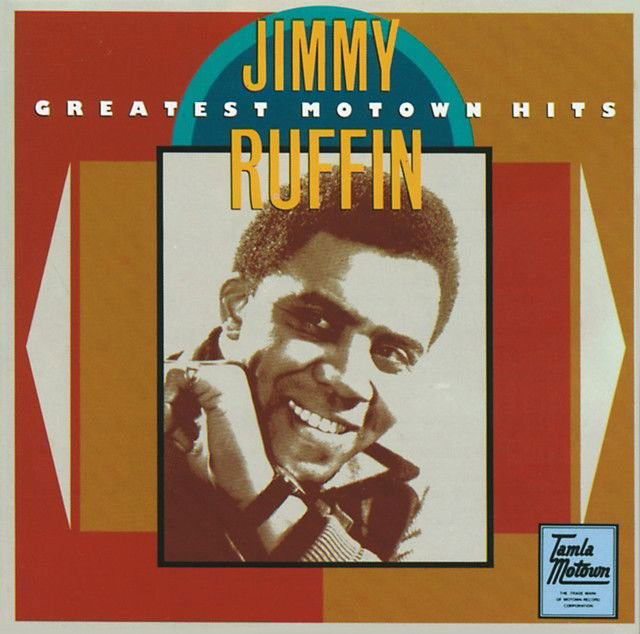
Why Jimmy Ruffin's Heartbreak Song Still Hurts
The meaning of What Becomes Of The Brokenhearted Jimmy Ruffin comes down to one painful idea: heartbreak can feel like a total loss of direction, but the song refuses to stay only in despair. Jimmy Ruffin turns private grief into a universal question, asking what happens to people after love leaves and the future suddenly looks empty.
"What Becomes Of The Brokenhearted" - Jimmy Ruffin
I have visions of many things
But happiness is just an illusion
Loading lyrics...
Unable to load lyrics
We're unable to display the lyrics at this time. Please try again later.
Released in 1966 on Motown’s Soul label, the single was written by James Dean, Paul Riser, and William Weatherspoon, and produced by Weatherspoon and William “Mickey” Stevenson. It was recorded at Hitsville U.S.A. with backing from the Funk Brothers and Motown session vocalists, facts widely documented in the song’s recording history. It also became a major hit, reaching No. 7 on the Billboard Hot 100 and No. 6 on the R&B chart. Those details help explain why the record still stands as one of Motown’s most enduring ballads.
A heartbreak song that asks a bigger question
At first, the song sounds like a direct account of romantic loss. The singer describes moving through life with broken dreams
and feeling cut off from joy. They do not present heartbreak as one sad afternoon. Instead, it feels like a whole world has changed shape.
That is what makes the central hook so strong. When Ruffin asks What becomes of the broken-hearted
, the lyric moves beyond one breakup story. It becomes a question about identity, survival, and whether love’s damage can be repaired.
Interpretation: The song is not only mourning a lost partner. It is also mourning the version of the self that existed before the loss.
Watch the official What Becomes Of The Brokenhearted
music video
How the verses build emotional collapse
The verses keep widening the emotional damage. Early on, happiness is described as just an illusion
, which suggests the singer no longer trusts the world around them. Love is not simply gone; hope itself feels unreliable.
Later, the imagery grows darker. They speak of searching for light
while walking in shadows, a simple but powerful contrast. The idea is easy to grasp: they are trying to recover meaning, but they cannot yet reach it.
Cold and alone
no comfort in sight
hoping and praying
for someone who cares
This short passage shows the song’s emotional center. The pain is not just about missing one person. It is about fearing that comfort may never return.
The surprising turn from despair to motion
One reason the song lasts is that it does not end in total defeat. Even while the singer admits they are hurting, they keep repeating the need to find peace of mind
. That phrase matters because it shifts the goal.
They are not only asking for the old relationship back. They are searching for healing, inner calm, and some way to keep living with dignity. By the final section, the song becomes more active. The singer vows to keep looking, keep moving, and somehow find a path forward.
Interpretation: This is the song’s hidden strength. It sounds like a ballad of sorrow, but underneath it is a survival anthem.
Why Ruffin’s voice makes the lyrics hit harder
Jimmy Ruffin’s performance is a huge part of the meaning. Their vocal does not sound theatrical for its own sake. It sounds worn, pleading, and deeply human.
That matters because the lyric could have been sung as pure melodrama. Ruffin instead gives it vulnerability. They sound like someone trying to stay upright while speaking through pain. The restraint in some lines, followed by the lift into the chorus, mirrors the emotional cycle of heartbreak itself: private suffering, then a public cry.
Ruffin also had a personal connection to the song’s anguish, according to the song’s documented history. He reportedly pushed to record it after hearing how strongly its lyric spoke to him. That backstory helps explain why the performance feels so lived-in.
The Motown sound behind the sadness
Musically, the song is classic Motown, but shaded for grief rather than celebration. The Funk Brothers provide the steady rhythmic base, while Paul Riser’s string arrangement adds lift and drama. Instead of making the song feel heavier, the arrangement gives the pain shape and movement.
The long instrumental opening is especially important. It creates space before the voice enters, almost like a deep breath before confession. Strings swell, drums stay controlled, and the background vocals soften the edges without taking away the loneliness.
That balance is part of why the song works so well. It is sorrowful, but never sluggish. The beat keeps walking forward even when the singer feels stuck. In that sense, the production quietly supports the lyric’s final push toward endurance.
Why the song still resonates now
The meaning of What Becomes Of The Brokenhearted Jimmy Ruffin still connects because the question at its center never goes out of date. Most listeners know the feeling of loving deeply, losing that connection, and wondering what version of themselves remains afterward.
The song also avoids bitterness. It is full of pain, but not revenge. That makes it more open, more humane, and easier to revisit across generations. Its many revivals and covers only prove how durable that emotional core is.
Final takeaway
Jimmy Ruffin’s classic is about heartbreak, but even more, it is about what comes after heartbreak. The lyrics trace confusion, loneliness, and emotional collapse, yet they keep reaching for healing. That mix of sorrow and stubborn hope is why the song still feels alive.
Disclaimer: This interpretation is based on the lyrics, performance, and documented recording context. As with any song, listeners may hear different meanings in it.









