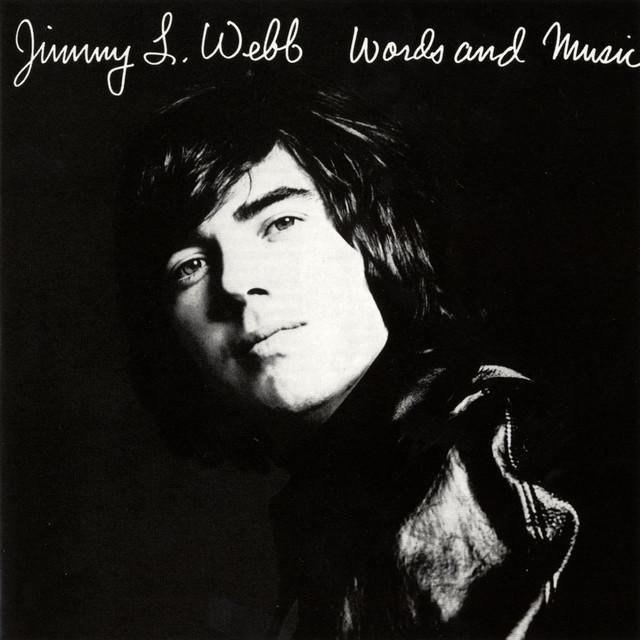
Why Jimmy Webb's 'P.F. Sloan' Still Matters
The meaning of P.F. Sloan Jimmy Webb comes into focus when listeners stop hearing it as a simple tribute song. It is really a meditation on what happens to serious artists in a culture that moves fast, turns people into symbols, and often misses the work right in front of it.
"P.F. Sloan" - Jimmy Webb
But no one knows where he has gone
No one ever heard the song
Loading lyrics...
Unable to load lyrics
We're unable to display the lyrics at this time. Please try again later.
Jimmy Webb, one of the most respected American songwriters of his era, wrote P.F. Sloan about fellow songwriter P.F. Sloan, a real figure from the 1960s known for hits and socially alert writing. Webb’s admiration is part of the point, but the song reaches beyond biography. It turns Sloan into a symbol of the true songwriter: hard to pin down, easy to overlook, but impossible to fully silence.
A Portrait of the Artist as a Missing Figure
At the start, the singer says they have been looking for Sloan, but nobody knows where he went. That opening frames Sloan as both real and mythic. He is not simply absent. He has become the kind of artist the world loses track of.
When Webb mentions that no one heard the song Sloan sent out, the sadness is not just personal. It suggests that culture often fails to hear its best voices at the right time. In that sense, the song is about neglect as much as talent.
Interpretation: Sloan stands for any writer whose honesty outlasts fashion. Webb seems less interested in facts of location than in spiritual disappearance.

Watch the official P.F. Sloan
music video
The Chorus Draws a Boundary
The refrain is the song’s strangest and strongest move. Webb repeats Don’t sing this song
and adds that it belongs to P.F. Sloan
. On the surface, that sounds possessive. Underneath, it feels protective.
The idea is not that music should be hidden. It is that some artistic voices are so personal that imitation becomes theft. The chorus warns listeners, critics, and even fellow musicians not to turn a living artistic spirit into a slogan.
Why That Warning Matters
The command also pushes back against a music industry habit: celebrating authenticity after it has already been drained of risk. Webb seems to say that Sloan’s voice cannot be copied by people who only want the style, not the struggle.
Odd Images, Sharp Social Critique
One reason the song lingers is its surreal imagery. Webb jumps from a dead horse named Trigger to London Bridge to Richard Nixon. These are not random references. They sketch a world where everything becomes spectacle.
The verse about Trigger being stuffed and dried
feels especially pointed. The image turns a once-living figure into a display object. That mirrors the song’s fear about artists: culture may preserve their image while killing what made them alive.
The London Bridge image works in a similar way. A famous monument is moved, watched, and turned into public theater. Webb seems fascinated by how modern life relocates meaning, packages it, and sells it back as entertainment.
Then comes the dry political line about Nixon, including taken all my sins away
. It sounds intentionally hollow, almost like a fake hymn. The satire matters. Webb is showing a media world full of headlines, certainty, and noise, while the real singer keeps working somewhere off to the side.
Media, Fame, and the Missed Message
Another key line points at passive consumption: people read the Rolling Stone
while Sloan keeps singing. The target is not only one magazine. It is the whole system of commentary around music.
Interpretation: Webb may be contrasting two ways of meeting art:
- Living inside the song
- Reading about the song from a safe distance
- Turning the artist into a trend or reputation
That contrast deepens the meaning of P.F. Sloan Jimmy Webb. The song argues that real artistry keeps going whether or not the culture machine notices.
How the Sound Supports the Theme
Musically, P.F. Sloan fits the singer-songwriter tradition, but it carries a theatrical sweep that is very Webb. The melody rises with longing, then tightens into the repeated warning of the chorus. That shape mirrors the lyric: open searching in the verses, guarded reverence in the refrain.
The repeated na na na
and insistent chorus create a communal feel, but the lyric undercuts that comfort. Listeners are invited in, then told to hold back. That tension is smart songwriting. It makes the song feel like both a tribute and a defense.
Instrumentation also matters. In typical recordings of Webb’s work from this period, orchestral or richly arranged textures often elevate emotional stakes rather than flatten them. Here, that kind of fullness helps frame Sloan as larger than one person, almost legendary.
The Final Image: Alone, Still Singing
Late in the song, Webb remembers Sloan as summer burned and winter blown
. It is one of the song’s clearest snapshots. Sloan appears weathered by time and experience, not polished by fame.
Then he turns a corner alone, but he keeps singing. That may be the emotional center of the entire piece. In a song filled with public noise, strange symbols, and cultural clutter, the artist’s persistence becomes the one thing that feels clean.
A Lasting Reading
The best way to understand the song is to hear it as both homage and warning. Webb honors a real songwriter, but he also mourns a culture that confuses visibility with value.
So the meaning of P.F. Sloan Jimmy Webb is not just “this man mattered.” It is “this kind of artist matters,” especially when the world is too distracted to notice.
Disclaimer: This interpretation is based on the lyrics, performance, and known artistic context. As with many great songs, listeners may hear different meanings in the same lines.








