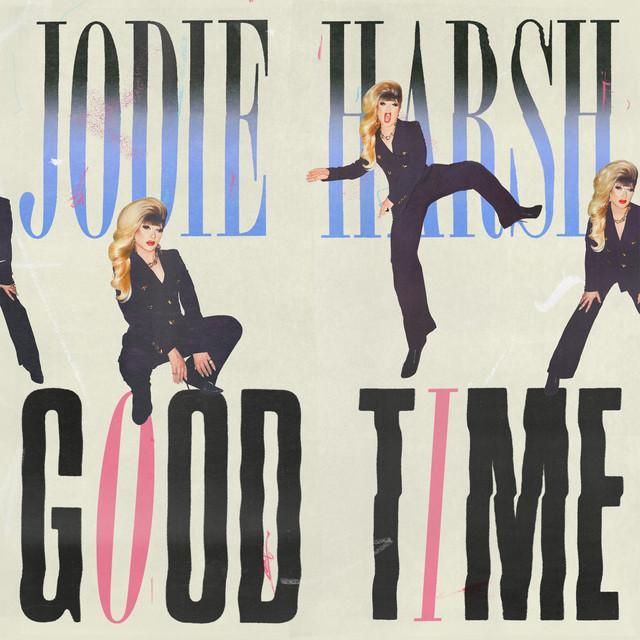
Good Time by Jodie Harsh
Why This Club Anthem Hits Harder Than It Looks
The meaning of Good Time Jodie Harsh goes beyond having fun on a dance floor. On the surface, it is a bright, direct club-pop track about going out, letting loose, and chasing a rush. But under that shiny surface, the song carries a simple emotional message: when life feels short and heavy, joy can become a kind of resistance.
"Good Time" - Jodie Harsh
So make me feel alive, c'mon
I'm here for a good time, not a long time
Loading lyrics...
Unable to load lyrics
We're unable to display the lyrics at this time. Please try again later.
Jodie Harsh is known for big dance energy and a strong connection to queer club culture, where nightlife often means more than entertainment. In that setting, a song about feeling alive can also sound like a song about recovery, self-expression, and choosing motion over numbness. That is what gives “Good Time” some extra weight.
Watch the official Good Time
music video
The Core Message Beneath the Hook
The chorus states the song’s mission in the clearest way possible. When the singer says good time, not a long time
, they are not being careless so much as honest. The line suggests an awareness that time is limited, moods shift fast, and people cannot always wait for the perfect moment to start living.
The next key phrase, make me feel alive
, gives the song its emotional center. This is not just a request for excitement. It sounds like a push against dullness, sadness, and emotional shutdown. In plain terms, the song frames pleasure as something necessary, not trivial.
Interpretation: The chorus can be read as a reminder that fun is not the opposite of seriousness. For some people, especially after isolation or burnout, fun is part of healing.
From Low Feelings to the Dance Floor
The verses make that emotional arc clearer. Early on, the song describes waking up and sensing that something is off. That restless feeling leads to a desire to be reckless under ultraviolet light
, which places the story in a club setting while also suggesting escape through color, heat, and movement.
Then the writing reveals why this night out matters. The singer admits they have been through a low period and know what it means to feel trapped. The line about being locked inside
is especially important because it connects the party mood to a recent emotional history. This is not random hedonism. It is a reaction to confinement, boredom, and mental exhaustion.
That gives the song a basic timeline:
- They wake up uneasy.
- They realize time is moving fast.
- They reject staying stuck.
- They turn toward music, dancing, and release.
So while the track feels immediate, it still tells a story. It begins in discomfort and ends in motion.
The Chorus as a Survival Mantra
One reason the chorus works is repetition. It keeps returning to the same few ideas until they feel less like lyrics and more like self-talk. The command to keep your head up
is simple, but it changes the tone of the song. Suddenly the voice is not only talking to a crowd; they are encouraging someone who has been struggling.
There is also a communal feeling in the lines about getting on the floor. The dance floor becomes a place where private stress turns into shared energy. In many dance songs, movement is about pleasure. Here, movement is also about breaking a freeze.
I'm here for a good time
So make me feel alive
Those lines sum up the song’s emotional logic. Life is brief, the body is present, and feeling something now matters.
Images and Motifs That Drive the Meaning
The lyric writing is not very complex, but it uses a few clear motifs well:
- Nightlight and color: “Ultraviolet” suggests glamour, nightlife, and altered mood.
- The body in motion: The repeated push toward the floor turns dance into action.
- Time running out: This adds urgency and keeps the song from feeling empty.
- Individuality: The lyric about a “taste” for individuality suggests personal freedom inside a crowd.
These images all point in the same direction. The club is not shown as shallow. It is shown as a place where a person can reconnect with themself.
How the Sound Supports the Lyrics
Production matters a lot to the meaning of “Good Time.” The track uses a fast, clean dance-pop pulse, with bright synths and a heavy beat designed for release. That sonic setup mirrors the lyric content: the song does not just describe movement, it creates it.
Harsh’s broader artist profile, including work tied to their official site and public DJ identity, helps frame this approach. They come from a scene where dance music is built for transformation as much as celebration. The song’s structure reflects that culture: tension in the verses, lift in the pre-chorus, then a chorus that lands like a collective exhale.
The credited writers are Jay Clarke, Richard Myhill, and Sophie Frances Cooke. Based on the finished track, they aim for blunt, memorable lines over detailed storytelling. That choice fits the genre. In a club anthem, clarity is power.
A Bigger Reading of the Song
The meaning of Good Time Jodie Harsh can be summed up this way: it is a song about choosing aliveness when life has started to feel flat. It celebrates the party, but it also explains why the party matters.
Interpretation: Some listeners may hear it as post-lockdown release because of the mention of being shut in and low. Others may hear a broader message about queer nightlife as a space of freedom and self-definition. Both readings fit the lyric and the sound.
Jodie Harsh has built a career around high-energy club culture, as reflected in coverage from outlets like NME. That context matters. In their world, a “good time” is not always lightweight. Sometimes it is how people remember who they are.
Final Take
“Good Time” is catchy because it is simple, but it lasts because the simplicity has purpose. It turns one night out into a statement about urgency, recovery, and joy.
That is why the song feels bigger than its words. It is not only asking for fun. It is asking for life.
Disclaimer: This article offers interpretation based on the lyrics, sound, and public artist context. Meanings can vary from listener to listener.








