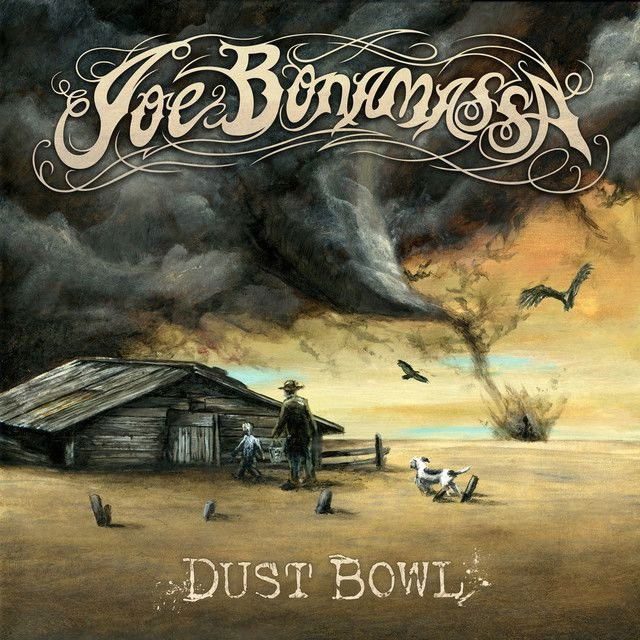
Tennessee Plates by Joe Bonamassa
Joe Bonamassa’s version of “Tennessee Plates” tells a fast, funny, and dark outlaw story. For listeners searching for the meaning of Tennessee Plates Joe Bonamassa, the song is less about a car tag than about escape, fantasy, and the trouble that follows both. On Bonamassa’s 2011 album Dust Bowl, the track also features songwriter John Hiatt on vocals, which matters because the song keeps one foot in roots storytelling and the other in blues-rock swagger.
"Tennessee Plates" - Joe Bonamassa
I turned the TV on, wrote a letter to you
The news was talkin' 'bout a dead man upon the interstate
Loading lyrics...
Unable to load lyrics
We're unable to display the lyrics at this time. Please try again later.
An outlaw tale with a ghost of Elvis
At the surface level, the plot is clear. The narrator wakes in a strange place, sees news of a crime, and realizes the law is hunting a Cadillac tied to Tennessee. Soon the song fills in the backstory: a woman gets picked up on the road, crimes pile up, and the pair head toward Memphis.
The key hook, Tennessee plates
, works like a wanted poster. It is the clue everyone can see. But it also points to Tennessee as a dream place: the home of Elvis, Cadillacs, and American myth.
Interpretation: the song turns a license plate into a symbol of borrowed identity. The couple are not just running from police. They are running into a fantasy of reinvention.
Watch the official Tennessee Plates
music video
The story moves like a crime film
The lyrics unfold in a tight sequence, almost like scenes:
- A man wakes up and senses danger.
- He hints that California has gone badly wrong.
- He remembers meeting a woman in Nevada.
- Their road trip becomes a crime spree.
- They reach Memphis and aim for Graceland.
- The story ends in prison, with bitter humor.
That final twist changes the whole mood. What sounded wild and glamorous turns small and sad. By the end, the narrator is no king at all. He is just a man doing time, “makin’” the very object that once represented freedom.
This ain't no hotel
Brushy Mountain
five to eight
Those short lines land hard because they strip away the romance. The road story ends in routine, punishment, and irony.
Why Elvis matters so much here
Memphis is not a random stop. The song points directly to Graceland gates
and Elvis imagery, which gives the chase a larger meaning. The woman once saw Elvis perform, and that memory seems to freeze her life in place. She has been “living in between,” caught between ordinary life and the glow of a legend.
Interpretation: she may be chasing more than fame. She may be chasing the feeling Elvis represented: escape from poverty, transformation through style, and the promise that a nobody can become a king.
The Cadillacs deepen that idea. Elvis and Cadillacs belong to the same American language of success and excess. So when the song finds a garage full of them, it feels surreal, almost religious. The characters have reached the shrine of their fantasy, but it cannot save them.
The hook is funny, but the joke bites
One strength of “Tennessee Plates” is its humor. The repeated search for a Cadillac with Tennessee tags sounds clever and catchy. Yet the joke keeps getting darker.
Early on, the phrase feels like pulp fiction. Later, it feels like fate. Even the line about original sin
makes the pair sound doomed before they arrive.
That mix of wit and doom is central to the meaning of Tennessee Plates Joe Bonamassa. The song enjoys the energy of rebellion, but it does not pretend rebellion leads to freedom. It shows how fantasy can push damaged people into bigger trouble.
How Bonamassa’s version shapes the meaning
This song was written by John Hiatt and John Porter, and Bonamassa recorded it for Dust Bowl, his ninth studio album, released March 22, 2011. According to the album credits, the track features Hiatt on vocals and Vince Gill on guitar, with Kevin Shirley and Bonamassa producing the album. That matters because this version feels like a meeting point between blues grit and narrative songwriting.
Bonamassa’s performance gives the song muscle. The guitars add motion, like tires on a highway, while the groove keeps everything rolling forward. The organ fills and steady drums make the track feel lived-in rather than polished. Instead of turning the story into a neat period piece, the arrangement keeps it tense and earthy.
Hiatt’s presence is important too. His voice carries the dry, storyteller edge the lyrics need. Bonamassa, known for blues-rock intensity, helps push the danger and momentum. Together, they make the song feel both amused and haunted.
Themes under the chrome
Several themes run beneath the plot:
- Escape: the characters keep moving, hoping motion will solve deeper problems.
- American myth: Elvis, Cadillacs, highways, and state lines all point to a dream of self-invention.
- Crime and consequence: the song never lets the thrill erase the cost.
- Identity: the license plate becomes a sign of who they want to be and what gives them away.
There is also a strong class element. The “land of opportunity” has failed the narrator. That line suggests bitterness toward the American promise itself. The song’s criminals are not master planners. They feel like drifters trying to force a miracle.
A blues song dressed as a road story
Even with its vivid plot, the song fits the blues tradition well. Blues often turns hard luck into style, humor, and confession. “Tennessee Plates” does exactly that. It gives listeners a broken narrator, a streak of bad decisions, and a voice that can still laugh at the mess.
That is why the ending works. Prison does not just punish the character. It reveals the truth behind the fantasy. The object that once meant status and motion becomes factory labor and dead time.
Final takeaway on the song’s message
The meaning of Tennessee Plates Joe Bonamassa comes down to this: it is a song about people chasing a dream that was never really theirs. Elvis, Cadillacs, and Memphis offer them a script for becoming somebody else, but the road only exposes who they already are.
Bonamassa’s version keeps that message sharp by pairing strong blues-rock drive with John Hiatt’s sly storytelling. The result is entertaining on the surface and quietly tragic underneath.
Disclaimer: Song meaning is always open to interpretation. This reading separates clear plot details from informed interpretation based on the lyrics, performance, and album context.








