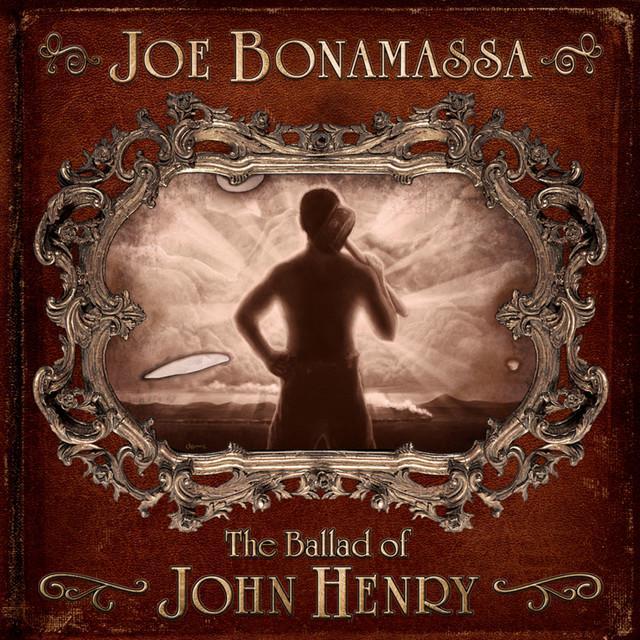
The Ballad of John Henry by Joe Bonamassa
A Blues Myth About Labor and Survival
The meaning of The Ballad of John Henry Joe Bonamassa starts with an old American legend. John Henry is the folk hero who raced a machine and won, only to die from the effort. In Bonamassa’s version, that story becomes more than a history lesson. It turns into a dark blues meditation on labor, freedom, pride, and the cost of resistance.
"The Ballad of John Henry" - Joe Bonamassa
Who killed John Henry, In the battle of sinners and saints
Take this hammer carry it to the Captain, Tell him why I'm gone
Loading lyrics...
Unable to load lyrics
We're unable to display the lyrics at this time. Please try again later.
Factually, the song is the title track of Bonamassa’s 2009 album, released February 24, 2009, and the record was produced by Kevin Shirley. As Songfacts notes, Bonamassa tied the song to the famous man-versus-machine tale. That matters because the track is not just retelling folklore. It is using folklore to ask what gets crushed when work becomes dehumanized.

Watch the official The Ballad of John Henry
music video
The Central Question in the Chorus
The repeated question Who killed John Henry
drives the whole song. On the surface, it asks about one man’s death. But the writing keeps widening the frame with the battle of sinners and saints
. That phrase makes the conflict feel moral, not just physical.
Interpretation: the song suggests John Henry was not killed by a single hammer blow or one race. They can hear the song asking whether he was destroyed by the system around him: forced labor, harsh authority, industrial change, and the demand to prove human worth through suffering.
That reading fits the larger John Henry tradition. The folk figure has long stood for working-class dignity and resistance to mechanization. In some historical research, the legend is also linked to convict labor and deadly work conditions, which gives the song’s anger even more weight.
A Voice Under Pressure
The verses make the narrator sound trapped, weary, and rebellious. When they hear cold iron shackles
, the song moves from myth into human pain. Those words are plain, but they carry a huge load: imprisonment, forced work, and the loss of choice.
The same is true when the singer says Tell him I'm goin' home
. This sounds simple, yet it can mean several things at once. It may mean escaping a boss, refusing the job, returning to a true home, or even moving toward death as the final release.
Take this hammer
carry it to the Captain
Tell him why I'm gone
This short passage matters because it turns the hammer into evidence. The worker gives back the tool and sends a message up the chain of command. The captain is not a partner here; they are authority. The act feels like resignation, protest, and testimony all at once.
How the Traditional John Henry Story Shapes It
Bonamassa did not invent these images from nothing. He draws from older John Henry ballads and hammer songs, especially the idea that the same tool that kills one worker does not have to defeat another. The line about getting the hammer that killed John Henry echoes that tradition while giving it a defiant spin.
Bonamassa also explained the song’s larger aim. In a brief comment quoted by Songfacts, he said John Henry is remembered because he beat the machine and did something great enough to last. That makes the song partly about artistic ambition too. Bonamassa seems to see John Henry as a symbol of work that outlives its moment.
Interpretation: this adds a second layer to the song. It honors laborers, but it also reflects an artist asking whether music can still be built with human force in an age of quick turnover and disposable culture.
The Twist at the End Changes Everything
The ending lands with I killed John Henry
. That is the song’s most startling move. Instead of leaving the blame vague, the singer claims responsibility.
There are two strong ways to read this. First, it may be the voice of the machine, the boss, or the larger system finally confessing. Second, it may be a wider human confession: society keeps demanding heroic labor, then destroys the very people it celebrates.
Either way, the song stops being a ballad about a distant folk hero and becomes an accusation. The listener is pushed to ask who benefits from struggle and who pays for it.
Why the Music Feels So Heavy
The arrangement supports that meaning. According to AllMusic, the track runs 6:26 and is built as an epic blues-rock piece with a roiling minor-key feel, orchestration, and acoustic passages. That mix gives the song scale.
Bonamassa’s guitar tone is thick and forceful, almost like machinery grinding forward. The riffs feel repetitive in a purposeful way, echoing labor itself. Then the acoustic and more spacious moments open a different emotional window, reminding listeners that behind the myth is a vulnerable human being.
Their vocal delivery also matters. Bonamassa does not sing this like a campfire folk tune. They deliver it with seriousness and strain, which fits the album’s broader, weighty mood. The production avoids lightness because the subject is not meant to feel comfortable.
The Bigger Meaning of The Ballad of John Henry Joe Bonamassa
In the end, the meaning of The Ballad of John Henry Joe Bonamassa is about more than one legendary worker. It is about what happens when strength becomes a requirement for survival. It honors endurance, but it also questions the world that demands such endurance in the first place.
The song’s best insight is that heroism and exploitation can sit side by side. John Henry is remembered as powerful, but memory does not erase injustice. Bonamassa keeps both truths in play: the pride of resistance and the tragedy of its cost.
That is why the song still hits hard. It sounds old, but its themes are modern: workers under pressure, systems that use people up, and the hope that human effort can still mean something lasting.
Disclaimer: This article offers interpretation based on the lyrics, recorded performance, and available artist context. Song meanings can remain open to more than one valid reading.








