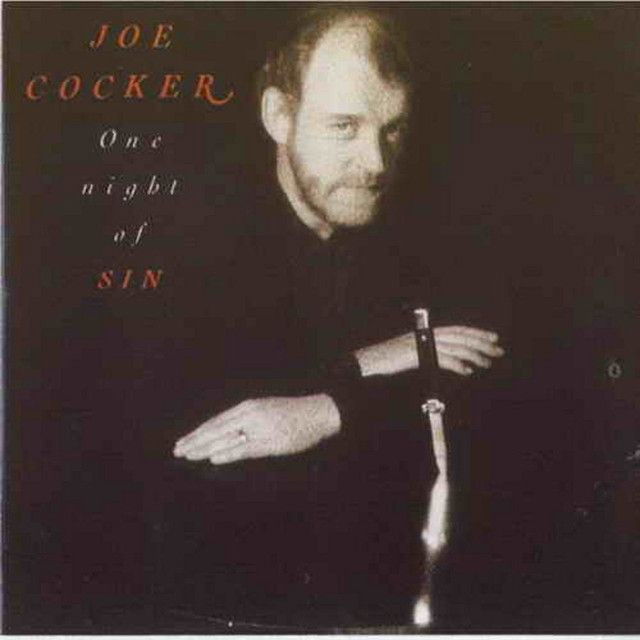
Why “Bad Bad Sign” Feels Doomed
Joe Cocker’s “Bad Bad Sign” turns a shaky love affair into a chain of omens. The singer does not just feel hurt; they feel warned. That is the key to the meaning of Bad Bad Sign Joe Cocker: the song is about seeing emotional truth through symbols of bad luck, then realizing the real danger is not superstition at all, but a partner who keeps leaving.
"Bad Bad Sign" - Joe Cocker
And a moon that's full
I've been turning and tossing
Loading lyrics...
Unable to load lyrics
We're unable to display the lyrics at this time. Please try again later.
The track was written by Charles Kaufman, Charlie Midnight, and Dan Hartman. In classic Cocker fashion, the song leans on blues-rock feeling rather than neat explanation. The result is dramatic, earthy, and easy to picture.
A Love Story Told Through Warnings
At its core, the song describes a relationship that feels unstable after intimacy. The narrator notices signs everywhere, from a black cat crossing
to a broken mirror
. Those images are familiar superstitions, but the song uses them to express anxiety, not literal belief.
The emotional pattern matters more than the objects. Each verse piles up clues that something is wrong. The phone rings, sleep is restless, and even private moments do not bring security. After closeness, the partner disappears. That repeated exit hurts more than any spooky image.
Interpretation: the song suggests that when trust is damaged, the mind starts turning ordinary events into proof. The omens are really a language for heartbreak.

Watch the official Bad Bad Sign
music video
The Chorus Says What Pride Cannot
The hook is simple and memorable: bad bad bad bad sign
. By repeating the phrase, the song turns suspicion into certainty. The narrator may say they are not superstitious, but their feelings have already made the decision.
That tension gives the chorus its power. They want to sound rational, yet they keep returning to instinct. In plain terms, they know this relationship is unhealthy, even if they cannot fully explain it. The chorus works like an alarm bell.
I’m not superstitious
but I do believe
Those two short lines capture the song’s main conflict. The speaker tries to reject magical thinking, then immediately admits that their gut says otherwise.
Small Scenes Build a Bigger Betrayal
One of the strongest parts of the lyric is how it moves through brief, vivid moments. A full moon, a sleepless bed, a ringing phone, and a lover who leaves right after sex all create a story of emotional imbalance.
A later detail sharpens the pain: the partner calls out another person’s name, and it is ain’t mine
. That is one of the clearest clues in the song. It turns vague dread into something closer to betrayal, or at least deep insecurity.
A Quick Narrative Map
- The song opens with classic bad-luck images.
- The narrator connects those signs to romantic confusion.
- Fortune tellers and wise men fail to explain the partner.
- The partner says they care, but keeps leaving.
- The singer finally treats the whole affair as a warning.
This structure helps explain the meaning of Bad Bad Sign Joe Cocker. It is not only about jealousy. It is about a person slowly accepting what the pattern already shows.
Why the Superstition Motif Works
The song’s symbols are old and almost theatrical. That is part of their charm. A black cat or broken mirror can sound exaggerated on paper, but in a blues-rock setting they feel natural. They give emotional chaos a visual form.
There is also a useful contrast in the lyric. The narrator seeks answers from a fortune teller
and a “wise man,” but neither can solve the real problem. That suggests that outside advice cannot fix a relationship built on mixed signals.
Interpretation: the superstition theme may also show a person avoiding the simplest truth. It can be easier to blame fate than admit someone is treating them badly.
Joe Cocker’s Voice Sells the Meaning
Cocker was known for his rough, soulful delivery, a style heard across his catalog on his official site. That voice matters here. A smoother singer might make “Bad Bad Sign” sound clever or playful. Cocker makes it sound lived-in.
His phrasing gives the repeated hook weight, like each warning has been earned. The likely blues-rock arrangement also supports that feeling: steady drums, firm bass, guitar accents, and space for the vocal to sound raw. Even without complicated poetry, the performance makes the doubt feel physical.
Dan Hartman, one of the credited writers, was a veteran songwriter and producer with deep pop and rock experience, as noted by AllMusic. That background may help explain why the song balances a catchy chorus with darker emotional detail.
More Than Jealousy, Less Than Proof
There are at least two strong ways to read the song. The first is straightforward: the narrator suspects cheating or emotional dishonesty. The missing calls, the unexplained exits, and the wrong name all support that reading.
The second is more psychological. Interpretation: the narrator may be trapped in an anxious cycle, reading every event as evidence because the relationship never feels secure. In that reading, the song is about intuition under stress.
Both views can be true at once. The lyric never fully proves betrayal, but it makes one fact clear: this relationship leaves the singer feeling foolish, restless, and unsafe.
What Listeners Still Hear in It
What makes the song stick is its honesty about a common feeling. Many people know the moment when doubt becomes impossible to ignore. “Bad Bad Sign” gives that moment a bluesy shape and lets instinct speak louder than logic.
In the end, the meaning of Bad Bad Sign Joe Cocker is about recognizing a pattern before it breaks them completely. The omens are colorful, but the emotional message is plain: when love keeps sending warning signals, they should listen.
Disclaimer: This interpretation is based on the lyrics, songwriting credits, and Joe Cocker’s performance style. As with many songs, listeners may hear different meanings in its images and tone.







