Why Joe Diffie's 'Pickup Man' Still Works
The meaning of Pickup Man Joe Diffie starts with a joke, but it lands because the song understands something real about country identity. Joe Diffie’s 1994 hit is not just about a vehicle. It is about how a pickup truck becomes a symbol of freedom, flirtation, usefulness, and pride.
"Pickup Man" - Joe Diffie
Drove a hundred thousand miles on my knees
Hauled marbles and rocks and thought twice before
Loading lyrics...
Unable to load lyrics
We're unable to display the lyrics at this time. Please try again later.
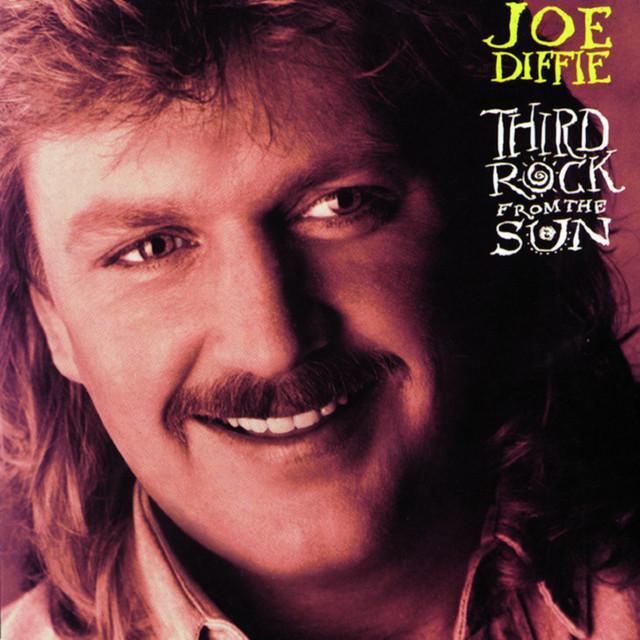
Recorded for Third Rock from the Sun and released in October 1994, the song was written by Howard Perdew and Kerry Kurt Phillips. It became Diffie’s longest-running No. 1 country hit, spending four weeks on top of Billboard’s country chart, a sign that its humor connected strongly with listeners.[1]
More Than a Truck, More Than a Pickup Line
At the most basic level, the song follows a narrator who believes his truck gives him an edge in romance. The title itself is a pun. He is a man with a pickup, but he also thinks he can “pick up” women because of it.
That is the song’s comic engine. Still, the lyrics do more than repeat a joke. They build a life story where the truck shows up at every stage, from childhood play to teenage dating to adult bragging. When the singer says my first car was a pickup truck
, the line is not only factual within the story. It also frames the truck as a rite of passage.
Interpretation: The song suggests that in this world, a pickup is not a status symbol in a fancy-city sense. It is attractive because it signals capability, comfort, and belonging.
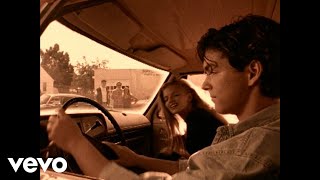
Watch the official Pickup Man
music video
How the Story Builds the Song’s Meaning
The verses move in a clear timeline, which helps explain why the hook feels earned.
From toys to teenage confidence
The opening starts in exaggerated childhood memory. The truck appears almost before the narrator can walk, turning his early life into a comic myth. That setup matters because it makes the pickup feel natural, not adopted.
By the time the song reaches adolescence, the truck becomes social currency. A key moment arrives when the homecoming queen recognizes him differently once she climbs in. The lyric climbed up in the cab
captures that shift in a few words. The truck changes how he is seen.
Adult life as a series of truck memories
Later verses lean into adult routines: traffic jams, drive-ins, tailgates, and hanging out in the truck bed. These scenes show why the song appealed to a U.S. country audience in the 1990s. The truck is useful, but it is also a gathering place.
One of the smartest lines is we wouldn't have tailgates
. It turns a simple object into a whole social tradition. That is why the song feels bigger than a novelty hit.
The Chorus Turns Boasting Into Identity
The chorus is full of comic exaggeration. When the narrator insists he would never trade the truck away, even under absurd conditions, the brag becomes the point. The pickup is presented as practical, romantic, and almost sacred.
The phrase something women like
keeps returning, and that repetition matters. It shows that the singer’s confidence may be half true and half self-created. He believes the truck works, so it works for him.
Interpretation: The chorus is less a proven fact than a fantasy of masculine confidence. That fantasy is part of the song’s charm. It is knowingly exaggerated, which keeps it playful instead of mean-spirited.
What the Truck Symbolizes in Country Culture
For many listeners, the truck in "Pickup Man" stands for several things at once:
- mobility and independence
- working-class pride
- dating and social life
- rural or small-town belonging
- a practical tool turned personal brand
That blend helps explain the song’s staying power. The narrator is not trying to impress anyone with luxury. In fact, he rejects the idea of a fancier car. The joke only works because the pickup represents authenticity.
The song also understands that trucks in country music often act like extra characters. They carry friends, dates, gear, and memories. Here, the pickup becomes the stage on which the narrator performs himself.
Why the Sound Helps Sell the Joke
Musically, "Pickup Man" is a moderate up-tempo country track, and that easy pace is important.[1] It does not rush the punchlines. It lets Diffie sound relaxed, amused, and fully in control of the story.
The recording features classic Nashville players, including Stuart Duncan on fiddle, Paul Franklin on steel guitar, Brent Mason on electric guitar, Matt Rollings on piano, and Lonnie Wilson on drums.[1] Those details matter because the arrangement gives the song both polish and warmth.
The fiddle and steel guitar keep it rooted in country tradition, while the electric guitar and steady rhythm make it radio-friendly. That balance mirrors the lyric’s message: the truck is both workhorse and social accessory.
Why It Hit So Hard in the 1990s
Joe Diffie was one of the defining voices of 1990s country, known for balancing humor, heart, and honky-tonk energy. "Pickup Man" fits that image perfectly. It arrived in an era when country radio rewarded strong hooks, vivid storytelling, and songs that reflected everyday life.
Its popularity also outlasted its original run. The song was later referenced by Jason Aldean in "1994," and a newer version tied to Post Malone, Hardy, and Diffie’s archived vocal track introduced it to a younger audience.[1] That afterlife suggests the song’s central image still feels instantly legible in American culture.
Final Take on the Meaning of Pickup Man Joe Diffie
The meaning of Pickup Man Joe Diffie is simple on the surface and smarter underneath. It is a funny song about a man who thinks his truck helps him meet women. But it is also about identity, self-myth, and the way ordinary objects can carry social meaning.
Its real subject is not romance alone. It is the confidence people build around the things that make them feel like themselves.
Disclaimer: This interpretation combines documented facts about the song with critical reading of its lyrics and sound. Meaning can vary from listener to listener.







