Why Joe Diffie's Jukebox Anthem Still Lands
The meaning of Prop Me Up Beside the Jukebox (If I Die) Joe Diffie starts with a joke, but it does not end there. On the surface, this 1993 country hit imagines a wildly improper funeral request. Under that comic setup, though, the song is really about identity, memory, and the wish to stay connected to the life they loved.
"Prop Me Up Beside the Jukebox (If I Die)" - Joe Diffie
I wanna go on being me once my eulogy's been read
Don't spread my ashes out to sea, don't lay me down to rest
Loading lyrics...
Unable to load lyrics
We're unable to display the lyrics at this time. Please try again later.
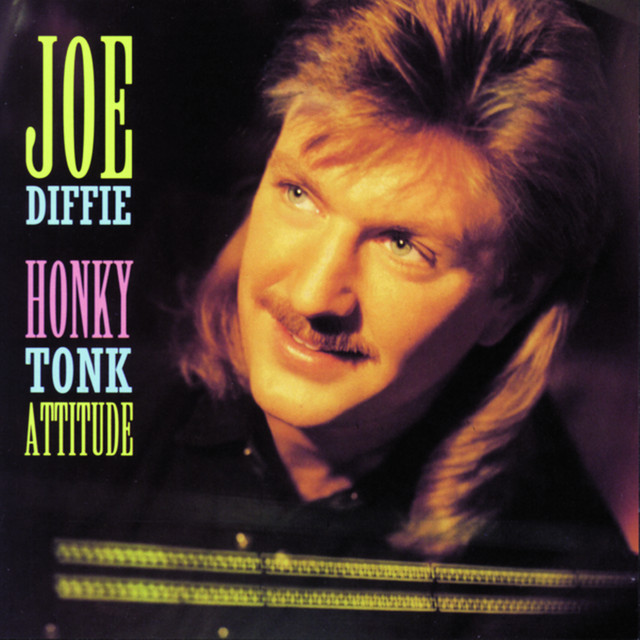
Recorded by Joe Diffie and released as the second single from Honky Tonk Attitude on July 19, 1993, the track was written by Howard Perdew, Kerry Kurt Phillips, and Rick Blaylock, and produced by Bob Montgomery and Johnny Slate, according to the available release data summarized by Wikipedia. It became one of Diffie's signature hits, reaching No. 3 on the U.S. Hot Country Songs chart and No. 2 in Canada.
A Funny Premise With a Real Core
The song opens by brushing aside the usual fear of death. The narrator is not panicking about dying itself. What bothers them is the idea of no longer being present as the same person once the funeral words are done. That is why the request to be beside the jukebox
matters so much.
In plain terms, they do not want a quiet, distant farewell. They want to remain in the place that represents who they are: a barroom full of music, friends, drinks, and noise. The hook sounds ridiculous, but that absurdity is the point. The song laughs at death by refusing to let it rewrite the narrator's personality.
Interpretation: This is less about literal burial plans and more about resisting the flattening effect of death. They want to be remembered in motion, not in silence.
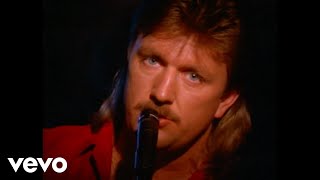
Watch the official Prop Me Up Beside the Jukebox (If I Die)
music video
The Chorus Turns Fear Into Honky-Tonk Comedy
The chorus is where the song locks in its meaning. When the narrator says I don't wanna go tonight
, the message becomes clearer. They may accept mortality in a big-picture sense, but they are still attached to the pleasures of the present.
Small details make that feeling vivid. Requests like fill my boots up with sand
and a stiff drink in my hand
turn the image into a cartoon of country cool. Those props matter because they symbolize a life built around comfort, swagger, and social ritual.
Rather than making death noble or tragic, the chorus makes it social. Even the afterlife gets pushed aside for one more night near the music. That tension between heaven and the jukebox gives the song its charm.
A Character Sketch Disguised as a Novelty Song
One reason the track has lasted is that it does more than deliver a punchline. It paints a very specific type of person. The narrator wants a neon headstone, a mannequin date, and a final place near a machine that keeps the soundtrack going. Every image deepens the same idea: this person measures life by good times shared in public.
That is why the song never feels random. Even its silliest lines connect back to a single theme. The narrator is trying to control how they will be remembered. They do not want grief to define them. They want their legacy to be laughter, music, and a little bit of outrageous style.
Interpretation: The song can also be heard as a working-class statement about dignity. Instead of elite symbols or solemn rituals, it chooses the jukebox, the bar, and the local crowd as sacred spaces.
How the Sound Helps Sell the Idea
Musically, the recording supports the lyric's shift from reflection to rowdy humor. Sources note that the song begins slowly with piano before the tempo picks up. That structure matters. The opening gives the death talk just enough seriousness to set the stage. Then the band leans into a brighter, more upbeat country groove that turns the idea into a celebration.
This is classic Joe Diffie territory. His voice balances mischief and warmth. He never oversings the joke, which helps the song avoid becoming too corny. Instead, they hear a performer who understands that comedy works best when delivered with a straight face.
The production also keeps the track rooted in mainstream early 1990s country: clean rhythm section, bright instrumentation, and a singalong chorus built for crowded rooms. The result is a record that sounds lived-in rather than gimmicky.
The Video and the Song's Cultural Afterlife
The music video pushed the song's comic side even further. As summarized by Wikipedia, it follows two men taking a dressed-up corpse out on the town before placing him by a jukebox, in a setup often compared to Weekend at Bernie's. That visual made the lyric's dark humor impossible to miss.
The joke even became part of Diffie's broader image. The dead man from the video later appeared as a recurring gag in other Joe Diffie videos. That helped turn the song from a hit single into a piece of country-pop culture.
Its staying power is clear in later covers too, including a 2024 version by Lainey Wilson, Tracy Lawrence, and The Difftones on Hardy's Hixtape: Vol. 3: Difftape, showing that the premise still connects with modern country audiences.
Why the Song Still Works
The lasting appeal of the meaning of Prop Me Up Beside the Jukebox (If I Die) Joe Diffie is simple: it turns a universal fear into a scene people can smile at. Most listeners do not actually want to be posed in a bar after death. But many do understand the deeper wish behind it. They want to be remembered honestly, in the places and sounds that made them feel most alive.
That is what gives the song heart. Beneath the absurd request and the neon imagery, it says memory should match personality. For this narrator, dignity is not silence. It is one more song, one more laugh, and one more night near the machine that never stops playing.
Disclaimer: This interpretation mixes documented facts with critical reading of the lyrics and performance. Song meaning can vary from listener to listener.







