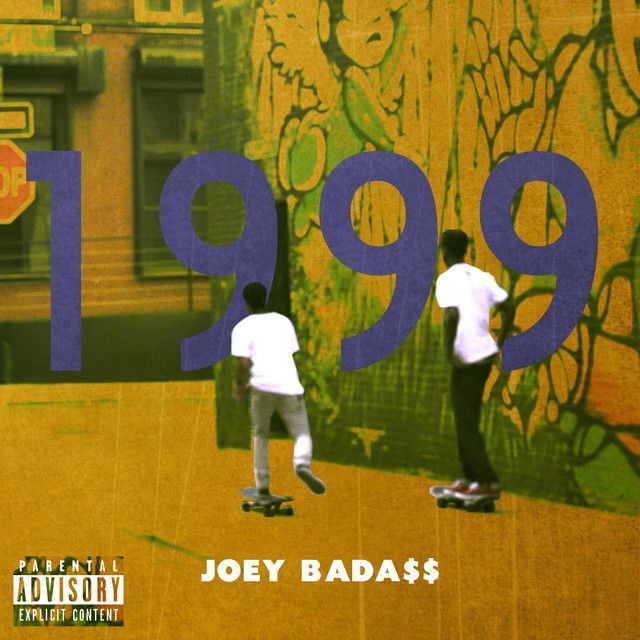
Righteous Minds by Joey Bada$$
Why This Song Feels So Heavy
The meaning of Righteous Minds Joey Bada$$ centers on a hard question: how do they stay decent in a place that keeps rewarding danger? The song is not just about crime or toughness. It is about moral pressure. Joey Bada$$ describes a world where young people grow up fast, see violence early, and learn that survival can push them toward choices they never wanted.
"Righteous Minds" - Joey Bada$$
I never knew the world could be this mad
Only vision I had of sex was Color Me Badd
Loading lyrics...
Unable to load lyrics
We're unable to display the lyrics at this time. Please try again later.
That is why the track feels heavier than a normal cautionary rap song. They are not glamorizing the street. They are showing how fear, poverty, broken homes, and limited options shape a person’s mind. Even the title suggests a struggle: a “righteous” mind wants to do right, but the world keeps testing it.
Watch the official Righteous Minds
music video
Joey Bada$$ in Context
Joey Bada$$ came up as part of Pro Era, the Brooklyn collective that helped bring classic East Coast rap values back into the spotlight in the 2010s. His breakout mixtape 1999 is widely noted for its boom-bap sound and sharp lyricism, which outlets like Pitchfork and The FADER discussed when he first broke through.
That context matters here. “Righteous Minds” sounds rooted in older New York rap traditions: social observation, dense internal rhyme, and storytelling over dusty production. Joey was very young when he made this material, which makes the song’s seriousness stand out even more. They sound like someone trying to understand why their environment is so brutal, not just report on it.
The Core Story: Staying Good Under Pressure
At its heart, the song is about a person trying to remain ethical while living under constant threat. The chorus says it plainly with it ain't easy livin' life like this
. Before and after that line, the song explains what “this” means: robbery, death, temptation, and the feeling that violence is always one bad moment away.
The hook’s warning about being tryin' to be righteous
matters because it frames the whole track as a conflict between values and survival. Joey is saying that doing the right thing is not simple when the people around them may hurt them for money, status, or even a device in their pocket.
Leave you lifeless for prices
or high tech devices
Those two short phrases capture the song’s bleak logic. Life can be treated as cheaper than property. The point is not just that crime exists. The point is that human worth has been distorted.
Verse One: A Childhood Losing Its Innocence
The opening verse starts with memory. Joey contrasts childhood innocence with a harsher reality they came to understand later. Early media images of love and death did not prepare them for how cold real life could be. That shift gives the song its emotional base: growing up means seeing systems fail people.
Then the verse widens from one person to a whole community. Joey mentions schools, careers, politics, and false dreams. They criticize people chasing fame without education, but they also point to bigger structures that keep people trapped. The line about fighting for existence suggests that poor choices do not happen in a vacuum. They happen in environments shaped by neglect.
Interpretation: This verse argues that individual failure is often really collective failure. Joey is not excusing bad behavior, but they are explaining where it comes from.
Verse Two: Fear as a Daily Routine
The second verse becomes more immediate and cinematic. Joey imagines a tense encounter where someone may need to read another person’s intentions in seconds. The details create a mood of panic and alertness. In this world, people are told to hide fear, move quickly, and get home safe.
From there, the song ties street danger to family breakdown. There are absent fathers, struggling mothers, addiction, and empty apartments. One painful phrase, join a gang
, sums up how loneliness can become recruitment. The song suggests that harmful behavior often begins as a search for belonging or relief.
This is one reason the track feels compassionate even when it is blunt. Joey shows the chain reaction: pain leads to escape, escape becomes habit, and habit becomes identity.
The Final Verse: A Dark Mirror
The last verse may be the song’s most revealing moment. Joey imagines an alternate self, one without guidance, friendship, talent, or role models. The line No STEEZ, no Kirk
points to the importance of their circle. They are saying that support systems helped keep them from becoming the person the street was ready to create.
This part gives the meaning of Righteous Minds Joey Bada$$ its clearest shape. The song is not simply “I stayed good.” It is “I might not have.” That makes the moral message stronger, because it rejects easy judgment. They understand how close anyone can come to another path.
How the Production Deepens the Message
The production matches the writing with a dark, stripped-down boom-bap feel. The beat does not rush. It lopes. That space gives Joey room to stack images and let each warning land. The drums feel stern rather than flashy, and the soul-jazz atmosphere adds sadness more than triumph.
That sonic choice matters. A brighter or more aggressive beat might have made the song feel celebratory. Instead, the instrumental sounds reflective, almost haunted. Joey’s delivery also stays controlled. They do not need to shout, because the writing already carries urgency.
What the Song Ultimately Means
In the end, “Righteous Minds” is about survival with conscience. Joey Bada$$ presents a world where violence is common, but the deeper subject is the emotional cost of trying not to become what that world expects. The song asks listeners to see both accountability and context at once.
Interpretation: Its message is that righteousness is not purity. It is persistence. It is the daily effort to hold onto values when fear, grief, and temptation keep pushing the other way.
That is why the song still hits. It treats street realism as a human problem, not a stereotype.
Disclaimer: This article offers an interpretation based on the lyrics, performance, and available context. Song meanings can vary from listener to listener.








