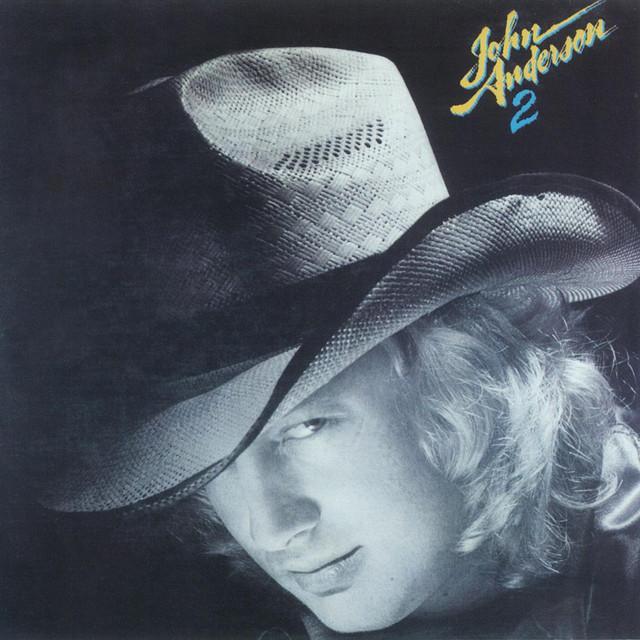
Why “Chicken Truck” Is Country Comedy Gold
The meaning of Chicken Truck John Anderson starts with a simple idea: sometimes a country song is about exactly what it says, and that is the point. This track turns a traffic problem into a full comic set piece. A driver heads down the highway, gets stuck behind a truck full of chickens, and watches the trip become louder, dirtier, and more absurd by the mile.
"Chicken Truck" - John Anderson
It must have been around in Mid July
I got behind a chicken truck from Georgia
Loading lyrics...
Unable to load lyrics
We're unable to display the lyrics at this time. Please try again later.
John Anderson is known in country music for mixing down-home realism with personality. According to the Country Music Hall of Fame, they built a career on distinctive vocals and songs rooted in Southern life. “Chicken Truck” fits that image well. It is playful, sharply visual, and committed to the joke.
A Highway Annoyance Turned Into a Story
On the surface, the song follows a straight narrative. The narrator leaves Alabama in summer, lands behind a truck from Georgia, and cannot pass it. As the trip continues, feathers, smell, noise, and debris make the drive miserable.
That plain setup is why the song works. It does not reach for a grand lesson. Instead, it enlarges a common feeling: being delayed by something ridiculous and feeling powerless to change it.
A few short phrases show how the scene builds. The image of feathers were a flyin'
makes the road look almost unreal. The line about behind it I'm stuck
turns the whole song into a complaint with rhythm. And when the singer notes it's just my luck
, the song widens from traffic trouble into a story about bad fortune in general.

Watch the official Chicken Truck
music video
What the Chorus Really Adds
The chorus is more than repetition. It recreates the mental loop of frustration. Anyone stuck in traffic knows how the mind narrows until one obstacle becomes the whole world. That is exactly what happens here.
Instead of moving the plot forward, the chorus keeps circling the same problem. That is smart writing. It lets listeners feel the drag of the road without slowing the song down musically.
Interpretation: The repeated title phrase turns the truck into a symbol of everyday defeat. Not tragedy, just the kind of small defeat that ruins a day and later becomes a funny story.
Why the Details Make It So Funny
The humor comes from escalation. First there are feathers. Then there is the smell. Then the windshield gets harder to see through. Finally, the truck driver is described eating chicken while hauling live birds, which pushes the song into cartoon territory.
That last image is the punchline. The mention of a box of Colonel Sanders
is absurd on purpose. It paints the truck driver as the kind of character who makes a bad situation even worse.
Here, the song shows a classic country storytelling trick:
- start with a believable scene
- add sensory details
- raise the inconvenience step by step
- finish with an image listeners will never forget
Because of that structure, the song feels visual. They can almost see the hill, the highway, and the mess on the windshield.
Sound, Style, and John Anderson’s Delivery
“Chicken Truck” is firmly in the country tradition, but it leans into novelty without sounding fake. The groove is lively, the arrangement is uncluttered, and the vocal delivery sells the irritation without overacting.
Anderson’s voice has always been one of their strongest tools: nasal, flexible, and full of character. The Encyclopaedia Britannica notes their place in modern country as a singer with a distinctive sound. In this song, that voice matters because the comedy depends on tone. If they sang it too seriously, the song would feel flat. If they pushed too hard, it would feel like a skit. Instead, the performance stays right in the sweet spot between believable annoyance and tall tale exaggeration.
The instrumental break also helps. The guitar gives the track room to breathe, almost like a pause while the narrator keeps staring at the same impossible truck.
A Small Song About Everyday Southern Life
Part of the meaning of Chicken Truck John Anderson is regional texture. Alabama, Georgia, Tennessee, Highway 65, chickens, roadside smells, and brand-name fried chicken all place the listener in a very specific Southern world. That specificity is important.
Rather than making the song narrow, it makes it universal. The details are local, but the feeling is not. Anyone in the United States who has been trapped behind a slow vehicle can recognize the mood.
hens are a squawkin'
roosters are a crowin'
Even in that brief chorus image, the noise becomes part of the comedy. The truck is not just slow. It is alive, chaotic, and impossible to ignore.
Is There a Deeper Meaning?
Factually, the song works perfectly well as a straight comic narrative written by Ervan Parker, John Anderson, and Monroe Fields. Not every country song hides a second message.
Interpretation: Still, listeners can read the truck as a symbol of all the petty obstacles that derail ordinary plans. The narrator needs to keep moving, but something foolish blocks the way. That idea gives the song staying power.
It also captures a country tradition of respecting everyday experience. A lost love ballad is not the only kind of truth. Sometimes truth sounds like a driver muttering at the road because life has handed them one ridiculous delay too many.
Why the Song Still Sticks
“Chicken Truck” lasts because it is memorable, concrete, and unpretentious. It knows its joke, tells it clearly, and never outsmarts itself. Anderson and the songwriters trust that good detail and strong delivery are enough.
That is why the meaning of Chicken Truck John Anderson is best understood as comic realism. It turns a gross, noisy traffic jam into a portrait of bad luck and human patience running thin. In country music, that can be just as revealing as a love song.
Disclaimer: This interpretation separates factual details from critical reading. Any deeper meaning beyond the literal story is an informed interpretation, not a confirmed statement from the artist.







