Why Coltrane and Hartman Make This Love Song Last
A Love Song That Feels Bigger Than Romance
The meaning of My One And Only Love John Coltrane, Johnny Hartman starts with a simple idea: complete devotion. The lyric speaker is not flirting or wondering. They are fully certain that one person has changed the way the world feels.
"My One And Only Love" - John Coltrane, Johnny Hartman
Like an April breeze on the wings of spring
And you appear in all your splendor
Loading lyrics...
Unable to load lyrics
We're unable to display the lyrics at this time. Please try again later.
That certainty is what gives the song its power. The words describe love as something physical, emotional, and almost spiritual at once. When the singer says a thought can make the heart sing, the song turns private feeling into something vivid and almost cinematic.
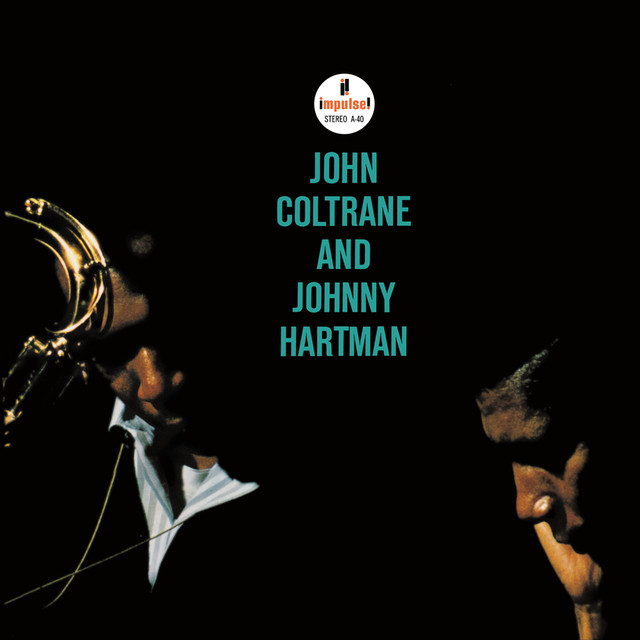
Factually, the song was written by Guy Wood and Robert Mellin, published in 1953, and later became a jazz standard. John Coltrane and Johnny Hartman recorded their famous version in 1963 for the album John Coltrane and Johnny Hartman, a one-of-a-kind meeting between Coltrane's tenor sax and Hartman's velvet baritone. Sources such as Wikipedia and Impulse! trace that history.

Watch the official My One And Only Love
music video
The Core Meaning Hides in Plain Sight
At its heart, this song is about idealized love. The speaker sees the beloved as the only person who matters, the center of emotional life. The repeated title phrase, my one and only love
, is not just affectionate language. It sounds like a vow.
Interpretation: The song suggests that true love feels both calming and overwhelming. On one hand, the beloved brings comfort and closeness. On the other, desire becomes so strong it feels like surrender.
That tension runs through the lyric. Nature images like spring and night set up a full emotional cycle: daylight wonder, evening intimacy, and then deep personal confession. Nothing in the song points to conflict or heartbreak. Instead, it presents love at its most complete and glowing.
How the Verses Build a World of Devotion
From thought to touch
The song begins in the mind. Even thinking about the beloved creates joy, summed up in heart sing
. Then the imagery expands outward with April breeze
, giving love a fresh, seasonal feeling.
After that, the lyric moves closer. Night falls, shadows spread, and the lovers are physically together. This shift matters. The song is not only about fantasy or admiration from afar. It becomes a portrait of real closeness, with warmth, touch, and quiet attention.
Desire becomes surrender
By the final section, the emotion turns more intense. The speaker describes powerful attraction and then reaches the key emotional move: giving in completely. The phrase sweet surrender
does a lot of work here. It frames love not as defeat, but as willing trust.
The touch of your hand is like heavenA heaven that I've never known
This brief moment reveals the song's deepest claim. Love is not just pleasant. It feels transcendent, as if the speaker has entered a new state of being.
Why Johnny Hartman's Voice Matters So Much
Hartman does not oversell the lyric. That is one reason this performance feels so lasting. His baritone is calm, rich, and intimate, which lets the song sound sincere rather than flashy.
Because the melody is known for being difficult, restraint matters. Wikipedia notes the tune's wide intervals and aria-like shape, and Frank Sinatra once called it perhaps the most difficult popular song to sing. Hartman handles those leaps so smoothly that the listener hears emotion before effort.
Interpretation: Hartman's approach turns devotion into maturity. This is not teenage infatuation. It sounds like an adult understanding the weight of love and choosing it anyway.
How Coltrane's Saxophone Deepens the Meaning
John Coltrane's tenor sax does not interrupt the romance; it extends it. His playing acts almost like a second voice, answering Hartman with tenderness and space.
The arrangement is slow and unhurried, with the rhythm section supporting rather than pushing. That matters for meaning. A faster version might feel like simple admiration. This version feels meditative, almost sacred.
Coltrane was often associated with searching, intense jazz. Here, they show another side: patience, lyric beauty, and emotional clarity. In that sense, the performance supports the lyric's message. The beloved is not just exciting. They bring order, stillness, and focus.
The Song's Images and Themes, Decoded
Several motifs carry the song's emotional world:
- Spring: new life, freshness, emotional awakening
- Night: privacy, intimacy, and wonder
- Touch: proof that love is real, not imagined
- Heaven: love raised to a spiritual level
- Fire: passion that cannot stay hidden
The short phrase soul on fire
is especially important. It shows how the lyric balances elegance with physical desire. This is a refined standard, but it is not cold. The speaker feels love in the body as much as in the heart.
Why This Version Became the Standard for Many Listeners
Many artists have recorded this song, from Frank Sinatra to later jazz and pop singers, but the Coltrane-Hartman version remains a favorite because it joins two kinds of beauty: lyrical warmth and instrumental depth. It respects the song's formal structure while making it feel personal.
For listeners searching for the meaning of My One And Only Love John Coltrane, Johnny Hartman, that is the key takeaway. The song is about devotion so complete that ordinary life starts to feel transformed. A thought becomes music. A touch becomes heaven. Desire becomes trust.
Their recording makes those ideas believable because nothing is forced. Hartman sings with poise, Coltrane answers with grace, and together they turn a standard into a statement of absolute love.
Final Note on Interpretation
This reading separates documented facts from Interpretation where needed. Like any great standard, My One and Only Love invites personal meaning, and listeners may hear either spiritual devotion, romantic intimacy, or both.







