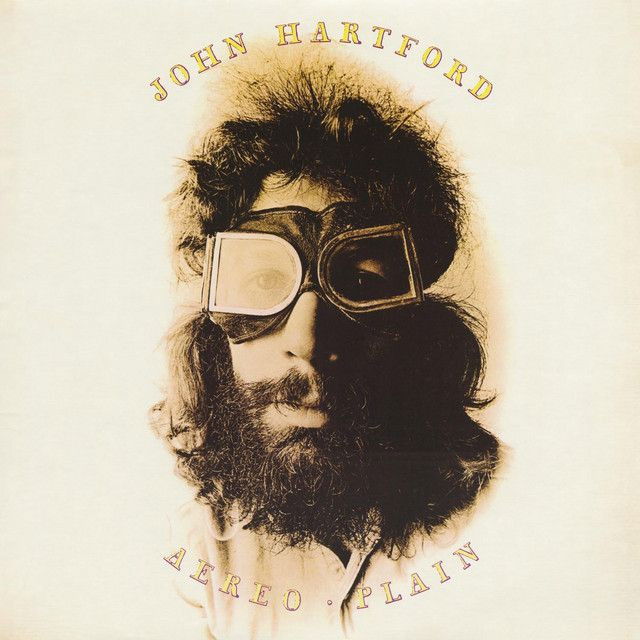
Steamboat Whistle Blues by John Hartford
A river song that means more than it first admits
The meaning of Steamboat Whistle Blues John Hartford starts with a simple idea: this is a song about a person who feels more at home in river life than in the modern world around them. On the surface, Hartford tells funny, loose, almost rambling stories about towboats, cold weather, city change, and odd people they meet. Under that easygoing style, though, the song carries real sadness.
"Steamboat Whistle Blues" - John Hartford
But I never got the hang of a ratchet bar
I was a -growin up a-deckin in the
Loading lyrics...
Unable to load lyrics
We're unable to display the lyrics at this time. Please try again later.
John Hartford was not just borrowing river imagery for color. As his biography shows, the Mississippi River and steamboat culture were central to his life, and he later earned a steamboat pilot's license. That context matters. When Hartford sings about river work and the pull of the water, it does not feel like fantasy. It feels lived in.
The song's title phrase, steamboat whistle blues
, works like a summary of that feeling. It suggests longing, restlessness, memory, and a kind of homesickness that never fully goes away.
Watch the official Steamboat Whistle Blues
music video
The narrator is torn between shore and river
At the start, the singer says they wanted to be a towboat man, but never fully mastered the job. That small confession matters. The song is not bragging about river life. It is about someone who identifies with it deeply, even while feeling a little outside it.
When Hartford mentions coal dust in my ear
, they give the world a gritty, physical texture. This is not a polished country fantasy. It is dirty, cold, and hard on the body. The joke about freezing on Christmas Eve adds humor, but the humor does not erase discomfort. It shows how river people survive misery by laughing at it.
Why the refrain matters
Each time the song returns to the title idea, the mood deepens. The whistle is more than a sound effect. Interpretation: it acts like a call from an older life, one tied to work, motion, and tradition. The “blues” are not only sadness. They are attachment.
I've been right here since nine o'clock
lookin at the water ways churning
In those lines, the narrator is not really doing much at all. They are waiting, watching, and listening. That stillness makes the song feel reflective. The river keeps moving even when the singer does not.
Verse by verse, Hartford builds a bigger complaint
One strength of the song is that each verse widens the subject.
- The first verse centers on river labor and personal memory. It presents the blues as something earned through experience.
- The second verse moves into distance and waiting. A phone call goes unanswered, and the singer ends up staring out at passing life.
- The third verse becomes social criticism. The city now looks
all square
, artificial, and untrustworthy. - The fourth verse turns satirical, poking at trends and big declarations about music and culture.
That structure matters because Hartford does not keep the song small. It starts as work-song storytelling, then grows into a wider statement about change, alienation, and mistrust.
The modern world looks fake, but the river does not
The sharpest section is the third verse, where the singer looks at a changing city and sees something mechanical and lifeless. The old courthouse is gone, the grass is synthetic, and even the food feels uncertain. They even say they would watch TV only if they could trust the news. That line lands surprisingly hard.
Interpretation: Hartford contrasts the human mess of the river with the artificial order of modern life. The city is neat but spiritually empty. The river is rough, but it feels real.
This is where the meaning of Steamboat Whistle Blues John Hartford becomes especially clear. The song is not anti-progress in a simple way. It is wary of a world that replaces lived experience with surfaces, systems, and media noise. The only thing the narrator still trusts is the old sound of the whistle.
Humor keeps the song from turning bitter
Hartford often used wit, odd details, and sideways storytelling in his writing. Here, lines about a water bed, borrowed dollars, and a copy of Rolling Stone keep the song playful. Even the complaint about culture arrives through a funny character sketch.
That matters because the song never sounds preachy. Hartford lets absurd images do the work. When someone says bluegrass and rock are both finished, the statement feels silly on purpose. Hartford seems to be mocking anyone who talks too confidently about what is dead, what is modern, or what matters now.
A note on Hartford's wider style
Hartford was known for blending folk, country, and bluegrass with offbeat humor and deep traditional knowledge. A later release, Live in Bremen 1977, includes this song in performance, which fits its loose, conversational energy. Even on the page, the lyric feels like talk-song: relaxed, rhythmic, and personal.
How the sound supports the meaning
Though Hartford's recordings often vary in arrangement, his music typically relies on acoustic string instruments, steady rhythm, and an unforced vocal style. That matters here. A song about old waterways and work songs would lose force if it sounded too slick.
Interpretation: the likely pull of banjo, fiddle, and guitar gives “Steamboat Whistle Blues” an earthy setting. The groove moves like current rather than like a dramatic pop build. That lets the listener sit inside the singer's thoughts instead of being pushed toward one oversized emotion.
Their voice also matters. Hartford often sounded conversational, almost amused, even when a song carried melancholy. That blend is crucial here. The song smiles while admitting loss.
The lasting takeaway from the song
In the end, “Steamboat Whistle Blues” is about more than boats. It is about trust, identity, and the ache of watching the world become less familiar. The narrator may joke, drift, and ramble, but they keep returning to one honest feeling: the old river sound still means something when many other things do not.
That is why the song lasts. It turns personal memory into cultural criticism without losing warmth. Interpretation: Hartford suggests that tradition is not valuable because it is old. It is valuable because it still feels true.
Disclaimer: This interpretation is based on the lyrics, Hartford's known river background, and the song's musical context. As with most songwriting, listeners may hear different meanings in the same lines.







