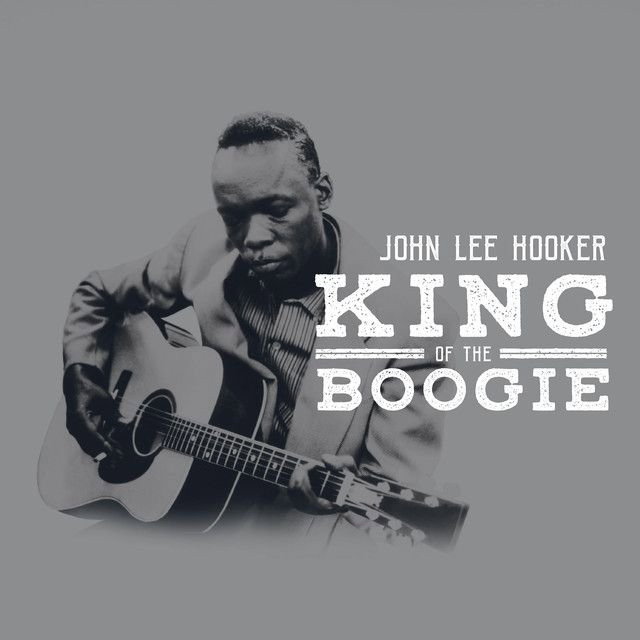
Hobo Blues by John Lee Hooker
Why This Blues Story Still Hits Hard
The meaning of Hobo Blues John Lee Hooker starts with motion, but it is really about loss. On the surface, the song tells a simple story: a young man leaves home, rides freight trains, and drifts far away. Under that story sits something deeper. It is a blues portrait of freedom mixed with guilt, especially guilt about the mother left behind.
"Hobo Blues" - John Lee Hooker
I took a freight train to be my friend, oh Lord
You know I hobo'd, hobo'd, hobo'd, hobo'd
Loading lyrics...
Unable to load lyrics
We're unable to display the lyrics at this time. Please try again later.
John Lee Hooker often made big feelings sound plain and direct. That is part of why this song works so well. They do not need a crowded plot. A few repeated images—a train, a yard, a mother crying, a road away from home—carry the weight.
Watch the official Hobo Blues
music video
The Core Meaning Beneath the Travel
At its heart, “Hobo Blues” is about the cost of escape. The singer does not present hobo life as romantic adventure alone. They describe it as a hard break from family, safety, and self-respect.
Early on, the narrator says they took a train as a companion, using the phrase freight train
almost like a substitute for human closeness. That matters. Instead of home, they choose movement. Instead of stability, they choose wandering. In blues tradition, that kind of travel can suggest freedom, but also poverty and emotional exile.
Interpretation: the song treats hobo life as both chosen and forced. The narrator acts with agency, yet the mood suggests they are also pushed by hardship or restlessness.
A Runaway Story Told in Small Scenes
The song unfolds like a memory in short flashes. That style fits Hooker perfectly.
The first step away
The opening idea is that they first thought of hobo'in
and acted on it. The line is brief, but it sounds like a life-changing impulse. They do not explain every reason. In blues, that silence can be powerful. It lets listeners fill in poverty, conflict, pride, or youthful hunger for distance.
The mother at the rail yard
The emotional center arrives when the mother follows them to the yard. That image turns the song from travel tale into family tragedy. The departure is no longer abstract.
my son he's gone
gone in a poor some wear
Those words, short and rough as they are, make the mother the song's moral witness. She sees not just absence, but danger and uncertainty.
The burden of leaving
Later, the narrator says they left their dear old mother
and even their honor. That detail is crucial to the meaning of Hobo Blues John Lee Hooker. The pain is not just homesickness. It is shame. The singer knows the departure hurt someone who loved them.
How Hooker's Style Deepens the Meaning
John Lee Hooker was famous for a raw, personal form of electric blues shaped in Detroit, with droning guitar patterns and flexible timing, as noted in this biographical overview. That approach matters a lot here.
Hooker often sang as if they were thinking out loud. In “Hobo Blues,” the repeated phrases feel like a mind circling the same wound. The music does not rush to the next idea. It lingers.
Guitar, rhythm, and loneliness
Producer Bernard Besman was known for recording Hooker in stripped-down settings, sometimes letting the guitar, voice, and foot-stomp carry the whole performance. That production style suits a song about solitary drifting. There is no lush band to soften the blow. The sparseness leaves room for the emptiness inside the story.
The rhythm also matters. Hooker did not always follow a strict beat. Their timing could bend with emotion. In a song about someone living outside normal society, that loose pulse feels right. The performance itself sounds unsettled.
The Blues Tradition Behind the Song
“Hobo Blues” also fits a larger blues history. Songs about trains, rambling, and leaving home run through early blues and folk music. Hooker, who left home young and later worked in Detroit before recording, brought personal credibility to these themes. According to the Rock Hall profile, they became one of the key figures in electric blues, and that authority helps “Hobo Blues” land as lived feeling rather than costume.
Still, this song is not just social history. It is intimate. The hobo figure here is not a legend of the open road. They are somebody's child.
Freedom Versus Grief
One reason the song lasts is its tension between movement and regret. The singer clearly keeps going, repeating that they long way from home
. The phrase works on two levels. It describes real distance, but it also suggests emotional and moral distance.
Interpretation: “home” may mean more than a place. It can stand for innocence, belonging, and the person they were before they left.
That gives the song a double feeling:
- travel as release
- travel as punishment
- memory as something they cannot outrun
The blues often lives in that kind of contradiction. A person can choose the road and still mourn it.
Why the Song's Simplicity Is Its Strength
A modern listener may notice how little the song explains. There is no long backstory, no neat lesson, and no dramatic ending. That is part of its power. Hooker reduces the experience to a few unforgettable images, then repeats them until they feel heavy.
Because of that, “Hobo Blues” can connect in several ways. Some hear economic struggle. Some hear a young person's break from family. Others hear a confession from someone who wants freedom but cannot stop hearing their mother's grief.
Final Take on the Song's Message
The meaning of Hobo Blues John Lee Hooker is not just that a person leaves home. It is that leaving creates a wound—for the traveler and for the family watching them disappear. Hooker turns a hobo story into a song about guilt, distance, and the sadness hiding inside freedom.
That emotional mix is what makes the track memorable. It is spare, human, and unresolved, which is often where the best blues lives.
Disclaimer: This article offers a good-faith interpretation based on the song's lyrics, performance, and documented context. Meanings can vary from listener to listener.








