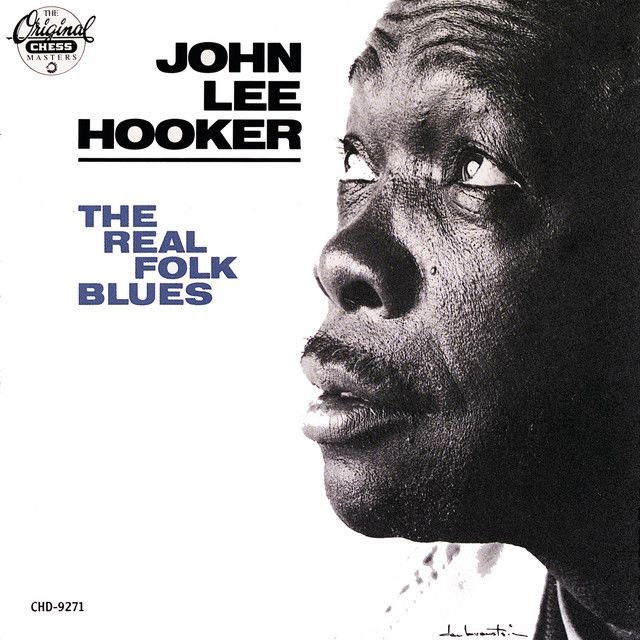
Why "I'm In The Mood" Still Smolders
John Lee Hooker’s “I’m in the Mood” sounds simple on the surface, but its power comes from how much feeling it carries with very few words. For listeners searching for the meaning of I'm In The Mood John Lee Hooker, the song is less a story with twists and more a late-night state of mind. It captures desire, distance, and the pull of someone they know they should probably avoid.
"I'm In The Mood" - John Lee Hooker
I'm in the mood, in the mood.
I'm in the mood for love.
Loading lyrics...
Unable to load lyrics
We're unable to display the lyrics at this time. Please try again later.
Hooker was one of the key architects of electric blues, known for a raw, trance-like style that shaped generations of artists, as noted by the Rock & Roll Hall of Fame. That matters here, because this song works through mood and repetition more than plot. They do not explain every detail. They circle one feeling until it becomes almost physical.
The Core Idea Hiding in Plain Sight
At its center, the song is about romantic and sexual longing. The repeated hook, in the mood for love
, is direct, but it is not soft or dreamy in the way the phrase can sound elsewhere. In Hooker’s hands, it feels earthy, immediate, and a little dangerous.
The singer is not reflecting on a past love or making a grand promise. They are speaking from the middle of desire. That present-tense urgency gives the track its force. Rather than build toward a conclusion, the song sits inside the craving itself.
Interpretation: the song’s real subject is not just love. It is the tension between appetite and restraint. The words are simple, but the emotional setup suggests a person who knows exactly what they want and knows that wanting it may bring trouble.

Watch the official I'm In The Mood
music video
Night, Distance, and the Blues Setting
One of the most important ideas in the lyric is that night time is the right time
. That phrase places the song in classic blues territory, where night often stands for privacy, temptation, and emotional honesty. Daytime belongs to rules and appearances. Night allows hidden feelings to come forward.
The lyric also introduces separation when the singer says the loved person is so far away
. That brief detail keeps the song from being only confident or playful. Desire is present, but satisfaction is not guaranteed. The person they want is absent, and that distance deepens the ache.
This is why the song feels smoky rather than celebratory. It is about wanting, not having. Hooker turns a familiar love-song phrase into something lonelier and more restless.
A Small Drama of Warning and Temptation
The most revealing turn comes in the verse about family advice. The singer recalls being told to leave this woman alone, but ignores that warning because of her pull. This is where the song gains character. It stops being a generic declaration and becomes a conflict between outside judgment and private desire.
my mother told me
leave that girl alone
That brief moment gives the song a touch of humor, but it also sharpens the theme. The singer is not innocent. They understand that this attraction has consequences. Even so, they choose feeling over caution.
Interpretation: this verse suggests the woman is magnetic enough to override family advice, social rules, and common sense. In blues tradition, that kind of attraction often symbolizes more than romance. It can stand for risk itself.
Why Repetition Matters So Much
Many great blues songs rely on repetition, and this one is a strong example. Hooker repeats key lines until they stop sounding like neat statements and start sounding like impulses. The hook does not simply describe emotion; it performs it.
That is essential to the meaning of I'm In The Mood John Lee Hooker. The song mirrors how desire works in real life. People in that state often loop the same thought again and again. The mind narrows. Everything points back to the same need.
There is also a musical reason repetition works here. Hooker’s groove-heavy blues style uses steady rhythm and vocal phrasing to create hypnosis. According to Britannica, his music often stood out for its driving boogie feel and highly personal timing. In this song, that approach makes the words hit harder because the beat keeps pushing the feeling forward.
How the Sound Carries the Message
The arrangement is crucial. The guitar does not decorate the lyric; it extends it. The riffs feel lean, insistent, and conversational, almost like a second voice answering the singer’s need. The groove is relaxed but never lazy. It moves with a stalk-and-sway energy that fits the song’s sensual mood.
The instrumental break matters too. Instead of interrupting the theme, it deepens it. The absence of words lets the mood breathe, as if the feeling has become too strong for language alone.
Hooker’s vocal style seals the meaning. They sound intimate, confident, and rough around the edges. That roughness is important. A smoother delivery might make the song sound polished or romantic in a formal way. Hooker makes it feel bodily and immediate.
More Than a Love Song
It is easy to hear “I’m in the Mood” as a straightforward seduction song, and that reading is valid. But it also works as a portrait of how blues music turns simple language into emotional depth. A few repeated images, a warning ignored, and a late-night groove are enough to create a whole world.
In the end, the song says that desire can be clear even when life is complicated. They may be lonely, tempted, and a little reckless, but they are honest about what they feel. That honesty is a big part of why the track still lands.
Interpretation disclaimer: Song meanings are not always fixed, and this reading is an informed interpretation based on the lyrics, performance, and blues context rather than a definitive statement from the artist.








