Why Hooker’s Barroom Blues Still Hits
The short answer behind the song
The meaning of One Bourbon, One Scotch, One Beer John Lee Hooker starts with a simple scene: a man sits in a bar after his lover leaves, and he keeps ordering drinks to dull the pain. But the song is not really about alcohol itself. It is about loneliness, stubborn pride, and the blues habit of turning private trouble into public performance.
"One Bourbon, One Scotch, One Beer" - John Lee Hooker
One bourbon, one scotch, and one beer
Hey mister bartender, come here
Loading lyrics...
Unable to load lyrics
We're unable to display the lyrics at this time. Please try again later.
Hooker’s version is especially powerful because they do more than sing a complaint. They build a small drama in real time. The singer is not healing. He is stalling, repeating, and sinking deeper into the night.
Watch the official One Bourbon, One Scotch, One Beer
music video
From older hit to Hooker classic
A borrowed song made personal
Factually, the song did not begin with Hooker. It was written by Rudy Toombs and first recorded by Amos Milburn in 1953 as a hit blues number. Milburn’s version was a jump-blues record about a man drinking over a lost woman.
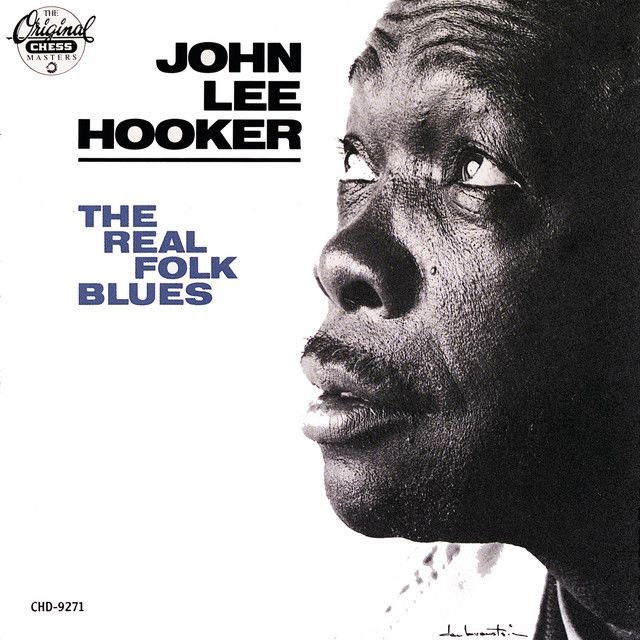
Hooker recorded their famous adaptation in 1966 for The Real Folk Blues. What changed was the storytelling. As biographer Charles Shaar Murray explains, Hooker reshaped it through “Hookerization,” turning it into a looser, more personal barroom monologue. That matters because the song’s meaning comes as much from the way they tell it as from the basic plot.
A night that gets worse, not better
The story line in plain English
The narrator orders drink after drink, says his woman has been gone for two nights, and tries to stay numb until closing time. The repeated order, one bourbon, one scotch, and one beer
, sounds almost funny at first. Then it starts to feel desperate.
The emotional arc is easy to follow:
- A breakup or abandonment leaves the narrator alone.
- He goes to a bar instead of facing the pain directly.
- He keeps drinking as the clock moves forward.
- The bartender becomes the only person left to answer him.
- By last call, nothing is solved.
That is the key to the song. The drinks do not create escape. They only stretch out the hurt.
How the hook carries the pain
The chorus is really a demand, not a celebration. When the singer calls, hey mister bartender
, he is asking for service, but he is also asking for relief. The bar becomes a temporary shelter where money and routine replace comfort.
Interpretation: The famous drink order works like a shield. Instead of saying “I am heartbroken,” the narrator names liquor. Instead of confessing weakness, he performs toughness. Blues songs often use humor and swagger to cover shame, and this track does that brilliantly.
There is also a mechanical feeling to the repetition. Saying the same order again and again mirrors the stuck state of heartbreak. He cannot move on, so the language cannot move on either.
The lines that sharpen the theme
A few details give the song its deeper bite. When the narrator says his baby has been gone, the listener gets the wound. When he admits he wants to get beyond clear thinking, the listener sees the coping method. When the clock keeps appearing, time itself feels heavy.
My baby, she gone
Last call for alcohol
That brief movement captures the whole song: first the loss, then the deadline. Between those points, the narrator drinks, waits, and talks himself through the night.
Interpretation: The clock is one of the song’s strongest symbols. In many blues songs, time crawls after a breakup. Here, every time check reminds them that the bar will close before the pain does.
Why Hooker’s delivery matters so much
Sound as meaning
Musically, Hooker’s version is central to why the song lasts. According to the song’s documented history, the arrangement is a medium-tempo blues in 4/4 with irregular bar lengths, recorded in Chicago in 1966, with Hooker on vocal and guitar and Eddie “Guitar” Burns among the accompanists. That slightly uneven structure helps the song feel conversational rather than neat.
Instead of a polished pop shape, the performance lurches and rolls. The groove feels lived in. Hooker’s guitar and voice create the sense of a man thinking out loud in a bar stool confession. Readers can hear that in phrases like feeling good
, which are less joyful than numb.
The production also avoids glamour. It is earthy, repetitive, and close to the body. That matters because the song lives in the space between talking and singing. Hooker makes the listener feel the room: the bartender, the clock, the late hour, the haze.
Drinking song or heartbreak song?
It is both, but heartbreak is the deeper layer. On the surface, this can sound like a jukebox favorite built around a catchy order. That is one reason it became so popular and influential, including on George Thorogood’s later medley version. But Hooker pushes it toward something darker.
Interpretation: They turn a familiar drinking-blues setup into a portrait of masculine sadness. The narrator does not cry, explain, or apologize. He orders. He repeats. He stays until he cannot. In that way, the song shows how pain can hide inside ritual.
That is why the track still connects in the United States today. Many listeners know the feeling of acting casual when they are actually hurt. Hooker gives that feeling a beat, a voice, and a place to sit.
Why the song still endures
The song lasts because it is simple on the surface and rich underneath. It has a memorable hook, a clear story, and the rough authority of Hooker’s performance. It also speaks to a timeless blues truth: people often choose motion, noise, or intoxication over silence because silence forces them to feel.
For anyone searching the meaning of One Bourbon, One Scotch, One Beer John Lee Hooker, the strongest answer is this: it is a song about using drink and repetition to hold off heartbreak for one more night, even while knowing morning will come.
Disclaimer: This interpretation separates documented history from critical reading. As with many blues songs, meaning can shift based on performance, context, and the listener’s own experience.









