Why John Legend's Sweetest Song Sounds Afraid
When listeners search for the meaning of Right By You (for Luna) John Legend, they usually hear the tenderness first. But the song is not only a lullaby-like promise. It is also a portrait of a new parent feeling love, doubt, and responsibility all at once.
"Right By You (for Luna)" - John Legend
Will you wake from worldly dream and not be tired?
Will you work like me to lift the conversation higher?
Loading lyrics...
Unable to load lyrics
We're unable to display the lyrics at this time. Please try again later.
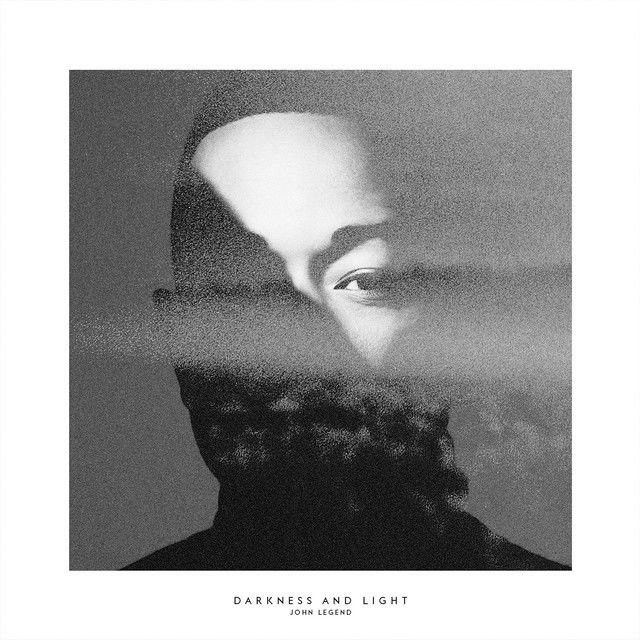
John Legend released "Right By You (for Luna)" on Darkness and Light in 2016, and the song was written for his daughter Luna, who was born in April 2016. According to Songfacts, Legend said he wrote it before she was born, while thinking about the uncertainty of becoming a father. That context matters because the song sounds less like a speech of confidence and more like a vow made in real time.
A Love Song From Parent to Child
At its core, the song is about a parent asking hard questions about the future and answering them with one steady promise: they will stay present. The verses are full of worries about the world, character, heartbreak, and moral choices. Then the chorus answers those fears with a simple pledge, I will be there
.
That balance is the key to the song's emotional power. Legend does not pretend he can control life for his daughter. He cannot stop pain, loss, or confusion. What he can offer is loyalty, guidance, and care.
Interpretation: This makes the song feel more mature than a typical sentimental dedication. It admits that love does not erase fear; it gives someone a reason to face it.
Watch the official Right By You (for Luna)
music video
The Questions Matter as Much as the Promise
One striking feature is how many lines arrive as questions. He wonders whether she will inherit his values, whether she will carry her mother's strength, and whether he and his partner can truly do right by her. A line like Will you think like me?
is not controlling in tone. It sounds reflective, even humble.
That humility deepens in Will we do right by you?
Rather than assuming they will be perfect parents, the song openly asks if love alone is enough. That is a very believable fear for new parents: not whether they care, but whether they can give a child what they need.
There is also a moral thread running through the song. It asks how someone stays kind, free, and brave in a world shaped by desire and sorrow. In other words, the child is not only growing up; they are growing into a difficult world.
A Chorus Built on Presence, Not Control
The chorus keeps returning to one idea: when answers fail, presence remains. In the song, even angels may not solve everything. That image pushes the stakes higher. If heaven itself feels silent, human love still has work to do.
And if angels don't have answers
Oh, I will be there
This is the song's emotional center. It says that parenting is not about having every answer ready. It is about staying near when life becomes painful or confusing. Later, that promise expands into old age, suggesting a bond that outlasts childhood.
Worldly Fear, Family Hope
Several lines contrast the outside world with the home a parent tries to build. He mentions desire, sorrow, fire, and the possibility that loved ones may be gone tomorrow. Those are heavy ideas, but they are framed through care, not despair.
Short phrases like cool like water
and putting out the fire
use simple images to describe emotional wisdom. Water suggests calm, balance, and healing. Fire suggests conflict, pressure, and damage. The parent hopes the child will meet chaos with grace.
Interpretation: The song may also be speaking to the limits of fame and success. Legend is a public figure, yet the lyric questions focus less on achievement than on character. That choice makes the song feel grounded. It asks what kind of person the child will become, not what kind of life they will display.
How the Sound Carries the Meaning
The production supports that emotional mix of warmth and uncertainty. Darkness and Light blends soul, R&B, and singer-songwriter intimacy, and this track leans soft and spacious rather than dramatic. Legend's piano and voice keep the song close to the listener, like a conversation in a quiet room.
A key detail from Songfacts is the presence of tenor saxophone by Kamasi Washington. That matters because the sax adds breath, ache, and tenderness. It widens the song emotionally without making it flashy. Instead of sounding polished to perfection, it sounds human.
Legend also told the Associated Press, quoted by Songfacts, that he cried when he first played the song for Chrissy Teigen and Luna because it felt so real. That reaction fits the recording itself. His vocal delivery is controlled, but not distant. The feeling is not performed as grand drama; it arrives as vulnerability.
Artist Context Changes the Reading
Knowing the song was written before Luna's birth gives it a special tension. This is not a father looking back on years of parenting. It is an artist standing at the edge of a life change, trying to imagine what love will demand of him.
That makes the song both specific and universal. It is clearly for Luna, but many listeners hear their own family story in it. New parents may hear the anxiety of preparation. Adult children may hear the kind of reassurance they wish they had. Others may simply hear a person trying to turn love into something dependable.
The Lasting Meaning of the Song
So, the meaning of Right By You (for Luna) John Legend is not just that a father loves his daughter. It is that real love includes uncertainty, questions, and a promise to remain present anyway.
The song's deepest message is simple: a child cannot be protected from every wound, but they can be met with enduring care. That is why the repeated promise lands so strongly. It turns parental fear into commitment.
Disclaimer: This interpretation combines documented context with close reading of the lyrics and sound. As with any song, listeners may hear meanings that differ from this one.








