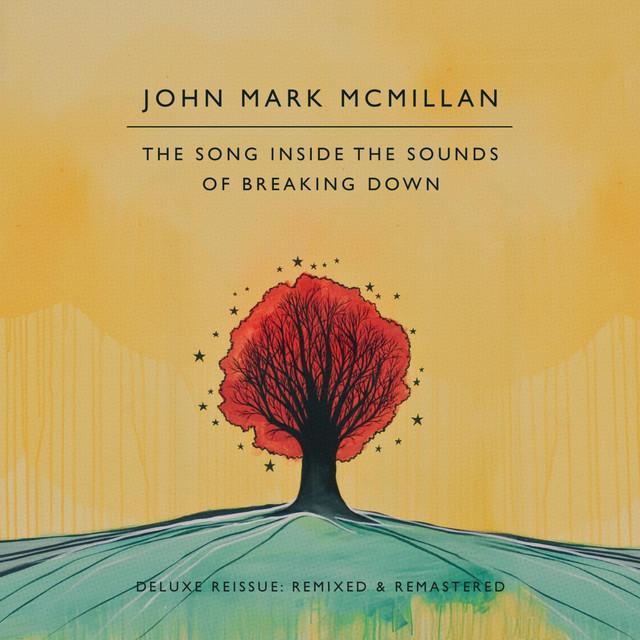
How He Loves by John Mark McMillan
The meaning of How He Loves John Mark McMillan starts with a simple idea: this is not a calm, polite worship song. It is a song about love that feels huge, disruptive, and personal at the same time. Rather than describing faith as neat or controlled, John Mark McMillan frames divine love as something that shakes a person, meets them in grief, and changes how they see pain.
"How He Loves" - John Mark McMillan
Love's like a hurricane, I am a tree
Bending beneath the weight of His wind and mercy
Loading lyrics...
Unable to load lyrics
We're unable to display the lyrics at this time. Please try again later.
McMillan wrote the song, and it became one of the most widely known modern worship songs in Christian music. In interviews, he has connected it to the death of his friend Stephen Coffey, a fact noted by outlets like The Gospel Coalition and CCM Magazine. That background matters because it explains why the song holds both sorrow and wonder at once.
A Love Song Written in the Middle of Grief
At the heart of the song is a clash between suffering and divine affection. The opening image, jealous for me
, can sound harsh at first. In biblical language, though, jealousy often points to fierce devotion, not insecurity. The song’s speaker is saying that God’s love is active and possessive in the sense that it refuses indifference.
That idea grows in the line like a hurricane
. The comparison suggests force, motion, and loss of control. The speaker is not standing strong and polished; they are being bent, shaken, and remade.
Interpretation: This is why the song has stayed powerful for many listeners. It does not present faith as escape from hard life. Instead, it argues that love can meet a person in the middle of chaos.

Watch the official How He Loves
music video
Why the Verses Feel So Emotional
The verses move from pressure to sudden clarity. The speaker describes affliction, then says those troubles are overtaken by glory. In plain terms, the song imagines a moment when pain does not fully disappear, but it is put in a different frame.
That shift is the emotional engine of the lyric. The singer notices beauty, then recognizes deep affection from God. The language is intense because the experience is intense.
One of the song’s most famous ideas is grace is an ocean
. McMillan uses that image to make grace feel limitless and immersive. A person does not just observe it from shore; they are inside it.
"He is jealous for me"
"Love's like a hurricane"
Even in this brief image cluster, the song presents love as both tender and overwhelming. It is not distant theology. It is felt in the body and emotions.
The Chorus Turns Theology Into a Cry
The chorus repeats how He loves us
again and again. That repetition is not lazy writing. It works like a chant, a prayer, and a release valve. After the dense imagery of the verses, the song comes back to one central confession.
This structure matters. The listener is not asked to solve every mystery in the verses. They are asked to sit inside one truth long enough for it to sink in.
Interpretation: The chorus works because it reduces a complex spiritual struggle to a line almost anyone can hold onto. In worship settings, that simplicity also makes it communal.
The Most Talked-About Image in the Song
The line often remembered most is sloppy wet kiss
. It has sparked debate for years, and some churches replaced it with different wording. Still, the original image explains a lot about McMillan’s style.
He is trying to make grace feel earthy and immediate, not polished. Heaven meeting earth is pictured as messy, close, and embodied. Some listeners love that honesty. Others find it distracting.
Either reaction proves the point: the song rejects safe religious language. It wants divine love to feel shocking, not sanitized.
Stephen, Suffering, and the Song’s Deeper Wound
In the additional bridge provided here, McMillan directly names Stephen’s death and pushes back on the idea that God is simply cruel. That gives the song an even clearer emotional frame. This is not blind optimism. It is a wrestle.
The speaker admits agony, remembers a breaking point, and still lands on love. That is what makes the song more than a generic worship anthem. It is trying to testify from inside loss.
Interpretation: The deeper claim is not that grief is easy or quickly resolved. It is that divine love can still be true when life feels unbearable.
How the Sound Carries the Message
Musically, "How He Loves" is often performed as a slow-building worship ballad, with soft openings that expand into full-band release. That shape mirrors the lyric’s movement from inward pain to emotional overflow. McMillan’s own style has often blended worship, rock, and raw vocal delivery, which helps the song avoid sounding too polished.
The repetition, swelling dynamics, and open chord progressions all support the central theme: love arrives like a wave and keeps returning. The production choices do not just decorate the lyric. They make the listener feel its pressure and release.
Why the Song Still Connects
The meaning of How He Loves John Mark McMillan lasts because the song gives people a way to name both sorrow and hope. It says a person can be wounded, confused, and still overwhelmed by love. That tension feels real to many listeners in the United States, especially in church spaces where pain is sometimes hard to admit.
In the end, the song is about being met. Met in grief, met in regret, and met by a love that feels larger than human language can easily hold.
Disclaimer: This interpretation is based on the lyrics, documented artist context, and common listener readings. As with any song, meaning can vary from person to person.







