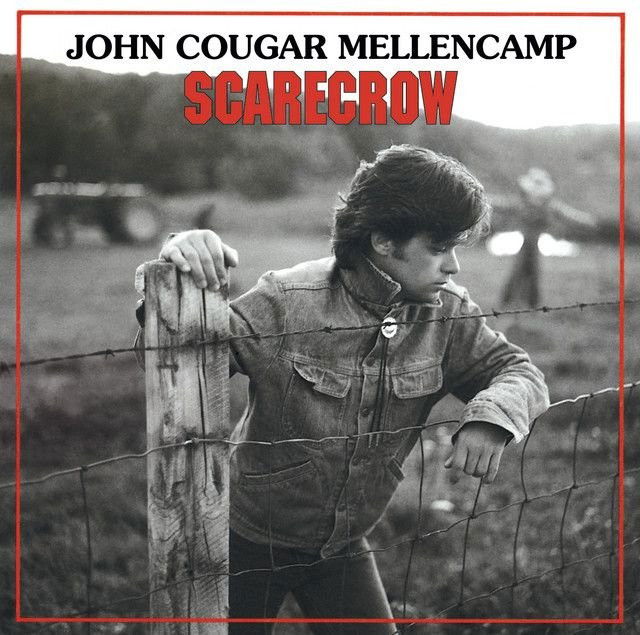
Why 'Rain On The Scarecrow' Still Hits Hard
The meaning of Rain On The Scarecrow John Mellencamp starts with one family farm, but it quickly opens into a national wound. Released on Scarecrow and later issued as a single, the song arrived during the 1980s farm crisis, when many small farmers were crushed by debt, low prices, and foreclosure. It is one of Mellencamp’s sharpest social songs, built from plain images and deep anger.
"Rain On The Scarecrow" - John Mellencamp
Four hundred empty acres that used to be my farm
I grew up like my daddy did my grandpa cleared this land
Loading lyrics...
Unable to load lyrics
We're unable to display the lyrics at this time. Please try again later.
Factually, the track appeared in the mid-1980s around the same moment Mellencamp was helping bring attention to farmers through Farm Aid, which he co-founded with Willie Nelson and Neil Young after the issue gained national attention in 1985. Research cited by American Songwriter and Songfacts also points to Mellencamp’s own comments that he and George Green researched why small towns and farms were disappearing before writing it.
A Farm Song That Is Really About Loss
On the surface, the story is simple. A farmer looks at land that once belonged to the family and sees it slipping away. The opening scene presents a place that used to feel full of history but now feels abandoned, with images like wooden cross
and empty acres
turning the farm into something close to a graveyard.
That is why the song lands so hard. It is not just about money problems. It is about the loss of inheritance, dignity, and identity. The speaker remembers a father, a grandfather, and a child who will not receive the same legacy. In a few verses, Mellencamp shows how foreclosure breaks more than a business.
Watch the official Rain On The Scarecrow
music video
The Story Moves From Memory to Ruin
The verses unfold almost like a short film:
- first, the land is remembered as a family inheritance
- then, crop income fails and loans cannot be covered
- next, seed cannot be bought for the next season
- finally, the bank takes the farm and the community feels the damage
That chain matters. The song is careful to show cause and effect. The farmer is not careless or lazy. They are trapped in an economic system that keeps tightening. A phrase like bank foreclosed
is plain, but it carries enormous emotional weight because everything before it explains what is being destroyed.
Why the Chorus Feels So Devastating
The chorus is the emotional center of the song. Mellencamp pairs weather and violence in the unforgettable image blood on the plow
. Before or after any literal reading, the line clearly suggests that the cost of farming collapse is human, not abstract.
Rain on the scarecrow
blood on the plow
That two-line hook is not just dramatic writing. Interpretation: it turns the field into a battlefield, where labor, pride, and family history have all been wounded. When the song adds that the land once fed the nation, it widens the argument: America depended on these farmers, yet many were left unprotected.
The Scarecrow Is More Than a Field Object
The title image does a lot of work. A scarecrow is meant to guard the crops, but it cannot save anything. It stands upright, exposed, and helpless in bad weather. That makes it a powerful symbol for the farmer in the song.
By the end, the identification becomes even stronger. When the narrator feels like dying in the rain
, the scarecrow stops being scenery and becomes a self-portrait. Interpretation: Mellencamp uses that symbol to show depression, numbness, and the feeling of being left out in the elements with no power to fight back.
How Mellencamp's Context Sharpens the Meaning
This song gains force from where it came from. According to reporting summarized by American Songwriter and Songfacts, Mellencamp recalled that he and co-writer George Green discussed why Indiana towns were fading, researched the issue, and heard heartbreaking stories from people losing farms. That background helps explain why the lyrics feel specific instead of generic.
It also matters that Mellencamp was not writing from a distant political angle. As an Indiana artist associated with heartland rock, he had credibility when singing about rural decline. The song’s concern with family land, local community, and American work fits that identity closely.
The Sound Carries Anger as Much as Grief
Musically, the track is not soft or nostalgic. Sources describe stomping drums, cutting guitars, and an urgent vocal performance. That matters because the song is not a quiet lament alone. It is also a protest.
The production, credited to John Mellencamp and Don Gehman, pushes the song forward with tension rather than comfort. The hard rhythm sounds like machinery and pressure. The sharper guitar edge keeps the message from becoming sentimental. Instead, the record feels bruised, stubborn, and alert.
A Personal Story Meant to Stand for Many
One of the song’s strongest details is the image of many lost farms gathered into one public sign of grief. The lyrics mention dozens of crosses in a courthouse yard, turning private suffering into a visible community tragedy. That move is crucial to the meaning of Rain On The Scarecrow John Mellencamp: one narrator speaks, but the song is really about many families.
That is also why it still resonates. Even outside the farm crisis, listeners hear a broader fear: what happens when work that built a family and a town can no longer support either one?
What the Song Finally Says
At its core, this is a song about how economic collapse becomes emotional and spiritual collapse. It mourns lost land, but it also asks what is left when a person’s labor, history, and pride are stripped away.
Mellencamp makes that message stick by keeping the writing concrete. Fields, loans, porches, crosses, and plows do not feel symbolic first; they feel real first. Then the meaning grows out of them.
Interpretation disclaimer: Songs can support more than one reading. This article offers a grounded interpretation based on the lyrics, historical context, and documented commentary around the track.








