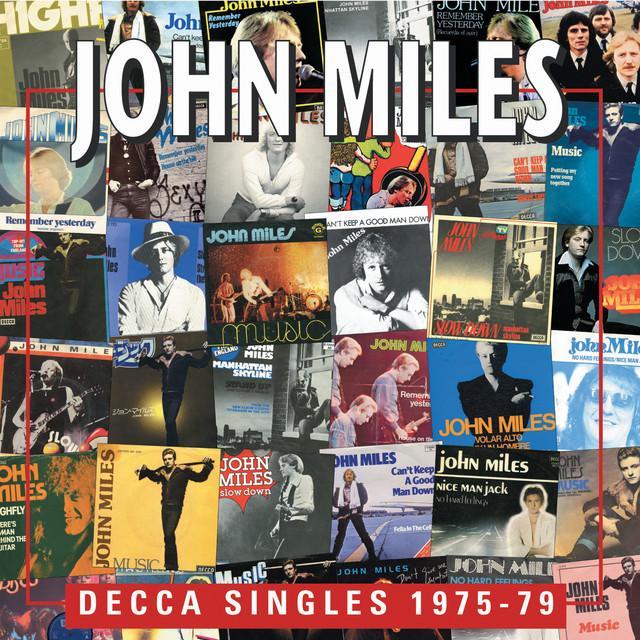
Music by John Miles
The meaning of Music John Miles starts with a bold but very human idea: some people do not just enjoy music, they build their inner life around it. John Miles turns that feeling into a plainspoken anthem. Rather than telling a long story, the song makes a clear emotional claim: music is not background noise. It is identity, memory, comfort, and survival.
"Music" - John Miles
And it will be my last.
Music of the future
Loading lyrics...
Unable to load lyrics
We're unable to display the lyrics at this time. Please try again later.
Released on the 1976 album Rebel and produced by Alan Parsons, the song became one of Miles' signature works. It reached No. 3 on the UK Singles Chart and No. 1 in the Netherlands, showing how widely its message connected with listeners.[1] Those facts matter because the song's appeal is part of its meaning: it speaks in simple terms, but on a grand scale.
A Love Song, But to Art Itself
At its core, the song is a declaration of devotion. The speaker says Music was my first love
, then follows that thought with it will be my last
. In plain language, they are saying music has been there from the beginning and will remain important until the end.
That is why the song feels larger than romance. It borrows the language of a love song, but the beloved is music itself. The line music of the future
paired with music of the past
stretches that love across time. The point is not one style, one era, or one trend. It is the full emotional world that music makes possible.

Watch the official Music
music video
What the Short Lyric Actually Reveals
The lyric is brief, but it still creates a full emotional picture. The speaker explains that life contains difficulty, then says music helps them endure it. When they admit my music pulls me through
, the song moves from praise into testimony.
This is why the song remains so relatable. It does not argue that music is merely fun or entertaining. It suggests music can be a coping tool, a source of order, and even a form of hope.
To live without my music
would be impossible to do.
That two-line idea is the emotional center of the song. It tells listeners that music is not optional for this speaker. It is essential.
Sound That Turns a Simple Message Epic
One reason the meaning of Music John Miles lands so strongly is the arrangement. According to available credits, the track was recorded at Abbey Road Studios, produced by Alan Parsons, and features orchestral arrangements by Andrew Powell.[1] Miles also contributed lead vocals, piano, guitar, and harpsichord.[1]
Those details matter because the production mirrors the lyric's claim. The song begins with a reflective feeling, then expands into something theatrical and almost symphonic. Songfacts describes it as a pop-classical tribute to music, and that label fits its dramatic rise and changing sections.[2]
There is also a technical twist: the song includes a section in 7/8 time.[1] Most casual listeners may not count the beats, but they can feel the shift. That unusual rhythm gives the track a sense of lift and surprise, as if music itself is too big to stay inside ordinary pop rules.
Why the Song Feels Universal
A big part of the song's staying power is its lack of clutter. There are no complicated images, no hidden plot, and no need for heavy decoding. Instead, Miles uses repetition to turn a personal statement into a shared one.
Interpretation: That repetition may suggest ritual. By returning again and again to the same core lines, the song acts almost like a vow. It sounds less like a passing thought and more like a principle the speaker lives by.
This is also why audiences in different countries embraced it. The charts show strong European success, while its U.S. run was much smaller.[1] Songfacts notes that the American single was edited down significantly, which may have reduced some of the song's full impact.[2] In its longer form, the track has room to build emotion slowly, and that patient build is central to its power.
Two Strong Ways to Read It
There is a straightforward reading and a deeper one.
The direct reading
The song is exactly what it appears to be: a tribute to the comfort, joy, and permanence of music. In this view, every line supports the idea that music helps people survive hard times and stay connected to themselves.
The deeper reading
Interpretation: The song can also be heard as an artist's mission statement. Because Miles was a working musician writing and performing his own material, the lyric may reflect not just fandom, but vocation. Music is not only something they love. It is the thing that gives their life structure and meaning.
Why "Music" Still Connects
Many songs about art become too abstract or too clever. "Music" succeeds because it does the opposite. It says something huge in language almost anyone can understand, then backs it with a sweeping arrangement that makes the feeling sound true.
For listeners, that is the lasting takeaway. The song argues that music carries memory, emotion, and endurance all at once. It belongs to yesterday and tomorrow, but it also helps people get through today.
That remains the best way to understand the meaning of Music John Miles: it is a public anthem built from a private truth. One person's devotion becomes a statement many listeners recognize in their own lives.
Disclaimer: This interpretation separates documented facts about the song from critical reading. As with any lyric, meaning can remain personal to each listener.







