Summer's End by John Prine
A simple request becomes a lifeline in John Prine’s “Summer’s End.” Across a few plainspoken scenes—swimsuits on a line, a memory of an old photo—Prine turns everyday details into a gentle call: come back, you’re not alone. This guide unpacks the meaning of Summer's End John Prine for listeners who hear comfort in its closing days of summer.
"Summer's End" - John Prine
The swimming suits are on the line just dryin'
I'll meet you there per our conversation
Loading lyrics...
Unable to load lyrics
We're unable to display the lyrics at this time. Please try again later.
How a Soft Plea Becomes a Promise
The central idea is hospitality. The singer recognizes someone who’s drifted into isolation and offers unconditional return. When he notices swimming suits on the line
and imagines plans made per our conversation
, the small talk hides a deeper message: you’re missed, and you still belong.
Interpretation: The season’s change mirrors emotional change. Prine contrasts bright scenes with creeping chill—he even admits, I can see it snowin'
—to show how quickly warmth can fade. The promise underneath is steady: if summer must end, home doesn’t have to.

Watch the official Summer's End
music video
The Voice That Knocks and Waits
Prine sings in second person, like a friend on the porch. They can hear care in the phrasing and pauses; nothing is forced. The line about holidays—Valentines break hearts
—isn’t bitter so much as knowing. He names the calendar to prove he understands how lonely milestones can feel.
Interpretation: The speaker could be a partner, a parent, or an old friend. The lack of specifics widens the door; anyone can walk through it.
A Walk Through the Scenes
A few clear beats shape the story:
- Plans to meet are set, but the other person has gone quiet.
- The singer senses distance and weather turning.
- Memories surface—pictures, a maybe‑haunted house—accepting that good times pass.
- The refrain keeps returning as a standing invitation.
The Chorus as Lifeline, Not Lecture
Prine’s hook repeats like a porch light that stays on.
Come on home Come on home No, you don't have to be alone Just come on home
Interpretation: Instead of guilt, the refrain offers dignity. It’s the opposite of shaming. The more it repeats, the more it sounds like rescue language—quiet, patient, and clear.
Symbols That Do the Heavy Lifting
- Seasons: Summer’s warmth gives way to cold, just as happy stretches end. The shift underlines the need for shelter.
- Holidays: Valentine’s, Easter, New Year’s—benchmarks that can cut both ways. If celebration exposes hurt, home is the answer.
- Nightlife cosmos: When
the moon and stars hang out in bars
, Prine personifies the sky to show how even the universe looks for company. It’s whimsical, but it points to belonging. - Domestic snapshots: The saved photo and that “haunted” house frame memory as sweet and eerie—proof that time softens and spooks us at once.
How the Sound Carries the Message
Musically, “Summer’s End” is gentle: warm acoustic guitar, a slow backbeat, and soft harmonies. Brandi Carlile’s subtle backing vocal lifts key lines without crowding Prine. The tempo never rushes; the arrangement leaves space for breath. That restraint makes the chorus feel like a hand on the shoulder rather than a demand.
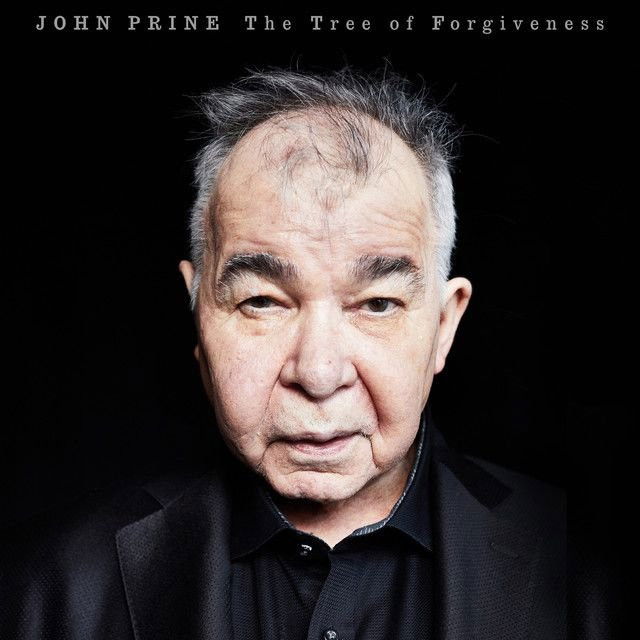
Album context matters too. The track appears on Prine’s 2018 album The Tree of Forgiveness, a late‑career triumph that foregrounds clear melodies and humane storytelling. The production serves the words, not the other way around.
Video Context, Legacy, and Alternate Paths In
The official video tells a different but related story: a family grappling with loss amid the opioid crisis, directed by Kerrin Sheldon and Elaine McMillion Sheldon. John Prine said, “The opioid crisis is tearing American families apart,” framing the visuals as a call to empathy. Factually, the lyrics stay open‑ended; the video simply plants the song in a hard American moment.
“Summer’s End” drew wide acclaim on release—American Songwriter named it Best Song of 2018—and, following Prine’s passing in 2020, it quickly became a standard covered by artists across folk and Americana. That embrace supports what listeners feel: this is a song built to comfort.
Interpretation: Listeners can reasonably hear three readings at once—a romantic reunion, a family welcome after a rough stretch, or a message to someone in recovery. The words are simple enough to hold all three.
Final Note
Ultimately, the meaning of Summer's End John Prine rests in its tone: kind, steady, and unafraid of sadness. It reminds them that even when the season runs out, the door can stay open.
Disclaimer: Lyric interpretations reflect informed opinion; the artist’s intent may vary, and listeners may find their own meanings.








