
Letter to the East Coast by John Vanderslice
The meaning of Letter to the East Coast John Vanderslice centers on a hard contrast: how glamorous beginnings can hide painful endings. In this song, they build a small but sharp meditation on youth, place, and disillusionment. The writing moves between old Hollywood, the city of New Haven, and a relationship that once felt clean and hopeful.
"Letter to the East Coast" - John Vanderslice
Was easy
Living in new haven in 1925
Loading lyrics...
Unable to load lyrics
We're unable to display the lyrics at this time. Please try again later.
Rather than tell a full story, Vanderslice sketches a pattern. Early life looks easy. Success looks bright. Love looks pure. Then time passes, and the same scenes appear damaged, tired, or stripped of fantasy.
The Core Idea Hiding in Plain Sight
At the heart of the song is a comparison between appearances and outcomes. The opening image, Being Joan Crawford at 21
, points to a youthful version of fame and beauty. The next thought, tied to New Haven in an earlier era, makes the past sound orderly and humane, almost protected from decay.
That setup matters because the song quickly undercuts it. When the singer returns to Joan Crawford later in life, the tone changes from admiration to weariness. The point is not really celebrity gossip. It is the emotional math of decline: beginnings are easy to romanticize, endings are not.
Interpretation: Vanderslice seems less interested in Crawford herself than in what she symbolizes. She becomes a shorthand for public shine versus private collapse.
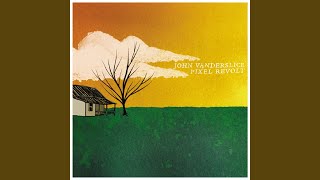
Watch the official Letter to the East Coast
music video
Why Joan Crawford and New Haven Matter
The song uses two kinds of history at once. One is cultural history: Crawford stands for beauty, ambition, and the cruel pressure of image. The other is urban history: New Haven appears first as an old-world idea of stability, then later through modern poverty, in the phrase tenements of new haven
.
That leap across time is the song's emotional engine. It shows how memory edits the past. A city in 1925 becomes simple and kind
, while the later version feels harsher and less romantic. The same idea applies to relationships. At first, love seems clear and elevated. Later, people see what was missing.
This was a familiar strength in Vanderslice's work from the era of Pixel Revolt: intimate songs built from political, historical, and personal fragments. They often sound small in scale but carry large emotional implications.
How the Relationship Theme Enters the Song
The song is not only about a city or a movie star. It also turns inward. The repeated line about you and me at the start
shifts the frame from public history to private memory. Suddenly the old photographs of America become a mirror for a relationship.
Here, the speaker seems to remember a beginning that felt morally clear and emotionally bright. But the refrain warns that a strong opening does not guarantee a good ending. The chess image in the rook's not to blame
suggests structure, strategy, and consequence.
It's right and bright at the top
But the rook's not to blame
For those who didn't have an endgame
Paraphrased, the song argues that the early phase of love can feel perfect, yet failure may come from poor planning, blindness, or lack of foresight. A piece on the board is not guilty for a player's bad strategy.
The Chess Metaphor Gives the Song Its Bite
That rook-and-endgame image is the key to understanding the song's deeper logic. It takes a feeling most people know—things started well, so why did they fall apart?—and gives it a precise metaphor.
A rook is powerful, but only inside a larger system. In the same way, beauty, youth, romance, and even talent are not enough by themselves. The song suggests that people often blame the visible thing—the city, the partner, the glamorous image—when the real issue is that nobody knew how to finish what they started.
Interpretation: This may be Vanderslice's comment on adulthood itself. Early life rewards momentum. Later life requires design, patience, and honesty.
How the Sound Supports the Meaning
John Vanderslice is known for detailed studio craft, including work through his Tiny Telephone studio. Even without leaning on a dense lyric sheet, his songs often let arrangement carry subtext. On this track, the likely effect is restraint rather than explosion: a measured indie-rock setting that gives the words room to sting.
That matters because this is not a melodramatic song. Its emotional force comes from calm observation. A controlled vocal, steady rhythm, and uncluttered arrangement would fit the lyric's habit of comparing eras and outcomes. The music does not need to shout. The disappointment is already built into the structure.
Two Strong Readings of the Song
Reading One: A Song About Aging and Lost Glamour
In this version, Crawford is the center. The song studies how youth gets mythologized while old age gets treated as failure. The movement from early ease to later hardship becomes a critique of the way culture worships beginnings.
Reading Two: A Song About a Relationship That Could Not Last
In this reading, the historical details are mirrors for a breakup. The old city, the movie star, and the chessboard all help explain the same truth: the relationship felt simple and pure
at first, but the pair had no plan for what came next.
Both readings can work together, and that overlap is part of the song's power.
Why the Song Still Resonates
The meaning of Letter to the East Coast John Vanderslice lands because it understands a common human habit: they remember the start of things as cleaner than they really were. Then they look back from the end and search for someone to blame.
Vanderslice refuses the easy answer. He does not say beauty is false, or that love was fake, or that cities only decay. Instead, he suggests that beginnings can be real and still fail. That is a sadder, wiser idea.
In the end, the song feels like a letter not just to a place, but to a version of the past that can never fully return.
Disclaimer: This interpretation is based on the song's lyrics, context, and John Vanderslice's broader style. As with most art, listeners may hear different meanings.








