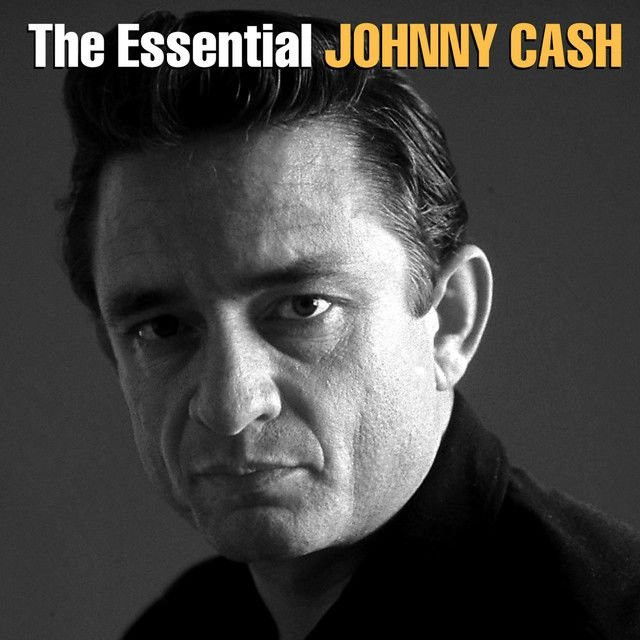
One Piece at a Time by Johnny Cash
The Big Idea Behind the Joke
The meaning of One Piece at a Time Johnny Cash starts with a funny story, but it does not end there. On the surface, the song is about a Detroit factory worker who dreams of owning a Cadillac and slowly sneaks home enough parts to build one himself. By the end, he has created a bizarre machine made from many model years, and that absurd image is the punchline.
"One Piece at a Time" - Johnny Cash
An' went to Detroit workin' on a 'sembly line
The first year they had me puttin' wheels on Cadillac's
Loading lyrics...
Unable to load lyrics
We're unable to display the lyrics at this time. Please try again later.
But the song also says something larger about class and pride. The narrator spends his life helping build luxury cars he cannot afford. So his plan to take one one piece at a time
becomes a comic fantasy of beating the system. They turn longing into action, even if that action is messy, illegal, and ridiculous.
Watch the official One Piece at a Time
music video
A Tall Tale About Work, Want, and Status
Johnny Cash recorded the Wayne Kemp-written song in 1976 with the Tennessee Three. According to Wikipedia, it became Cash's last No. 1 on Billboard's Hot Country Singles chart and his last Hot 100 entry. Those chart facts matter because they show how strongly this story connected with listeners.
The setup is simple. A worker leaves Kentucky for Detroit, gets a factory job, and watches expensive cars roll past every day. The song makes clear that the Cadillac is not just transportation. It is a symbol of success, style, and dignity. When the narrator wants one that is long and black
, they are really describing a dream of having arrived.
Interpretation: The worker is not only chasing a car. They are chasing respect in a world where they help create wealth but do not share much of it.
How the Story Builds Its Meaning
The plot moves like a shop-floor folk tale
The song unfolds in clean stages:
- The worker sees luxury up close but cannot buy it.
- They form a plan to steal parts slowly.
- Friends help move bigger items out.
- After years of collecting, the car is assembled.
- The finished result is a hilarious monster.
That timeline matters because the long wait changes the meaning. Over decades, car designs change. So a '53
transmission and a '73
motor do not fit naturally together. The worker's dream becomes a patchwork of different eras, which turns ambition into comedy.
You'll know it's me
when I come through your town
This short boast captures the narrator's goal. They want to be seen. They want public proof that they matter.
Why the Chorus Is More Than a Catchphrase
The chorus is funny because the narrator says the car didn't cost me a dime
. Of course, listeners know that is not true in any moral sense. The cost is spread out through theft, risk, and years of effort.
That line also sharpens the song's class politics. The worker feels that a giant company will not miss a few parts. In the narrator's mind, this is not grand theft; it is a tiny correction to an unfair system. Cash does not turn that into a lecture. Instead, the song lets humor carry the tension.
Interpretation: The chorus works because it mixes triumph and self-deception. The narrator sounds proud, but the listener hears both the cleverness and the foolishness.
The Patchwork Cadillac as a Symbol
The strange car is the song's best symbol. It represents effort, ingenuity, and rebellion, but also distortion. The worker gets the object they wanted, yet it arrives in a warped form.
The image of mismatched years, missing bolt holes, odd headlights, and one tailfin suggests a deeper truth: when people build a dream out of scraps, the result may still run, but it may not look like the dream they first imagined. That is why the townspeople laugh. The car is unique, but uniqueness is not the same as elegance.
Even so, the song never fully humiliates its narrator. Their wife doubts the project, then agrees to ride along. That small moment gives the story warmth. The family sees the car not only as a joke, but as a crazy achievement.
How the Sound Supports the Message
Musically, the song uses a moderate tempo and a talking-blues style close to spoken storytelling, a format many listeners also know from Cash's A Boy Named Sue
. The plain, chugging rhythm feels mechanical, which fits a song about factory labor and assembly.
Cash's vocal delivery is key. They sound dry, amused, and completely committed to the tale. That steady voice makes the outlandish details sound almost believable. The Tennessee Three's spare backing leaves room for the words, so every new problem in the car build lands like a joke told in a break room.
The CB-radio ending pushes the song further into American roadside myth. The made-up car becomes a legend, not just an object.
Context, Reception, and Lasting Appeal
The song is generally understood as a novelty number, not a documented true event. Still, its details feel grounded in real working life, which is why it lands. It also left a small cultural mark: the term psychobilly Cadillac
helped popularize the word "psychobilly," as noted in the same Wikipedia entry.
Part of the song's staying power comes from balance. It is silly, but it never talks down to workers. It laughs with them, not at them. Cash had long been effective at singing about people on the edge of respectability, and this track fits that skill perfectly.
The Last Word on Its Meaning
So what is the meaning of One Piece at a Time Johnny Cash? At heart, it is a comic working-class fantasy about wanting a piece of the luxury one helps build. It turns envy into invention, theft into folklore, and failure into a kind of crooked victory.
Interpretation: The song suggests that dignity does not always arrive in perfect form. Sometimes it rattles down Main Street looking uneven, noisy, and unforgettable.
Disclaimer: This interpretation separates confirmed facts about the song from critical reading. Like most story songs, its meaning can shift from listener to listener.








