Why 'Turn Back the Clock' Still Hurts
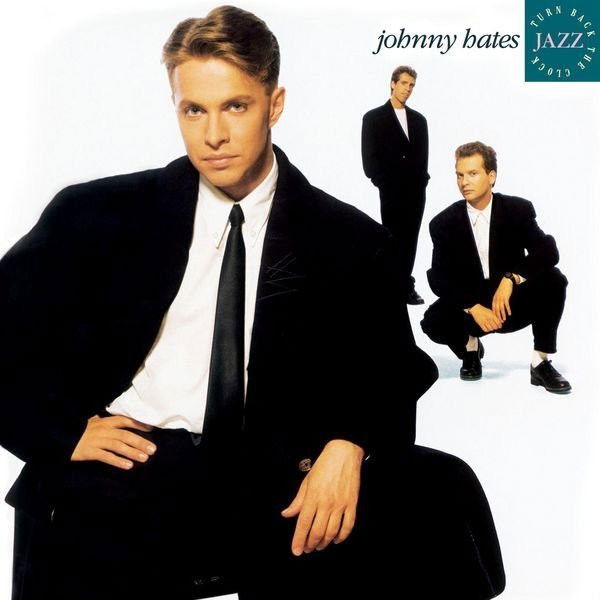
The meaning of Turn Back The Clock Johnny Hates Jazz comes down to a feeling many listeners know well: the wish to revisit the past, not to rewrite it, but to sit inside it one more time. The 1987 single by Johnny Hates Jazz was written by Clark Datchler and released as the title track and third single from the band’s debut album. It reached No. 12 in the UK and No. 5 on the U.S. Adult Contemporary chart, showing how strongly its reflective mood connected with listeners.
"Turn Back The Clock" - Johnny Hates Jazz
And I still can't sleep
Remembering my yesterdays
Loading lyrics...
Unable to load lyrics
We're unable to display the lyrics at this time. Please try again later.
A Song About Missing Time, Not Escaping Life
At first, the lyrics sound like pure sadness. The narrator is awake at night, trapped in memory, and moved to tears by old images. But the song does something more subtle than simple regret.
The key idea is that they long for the past while also accepting it. When the narrator says I wouldn't change a single day
, the song shifts. This is not really about correcting mistakes. It is about honoring a life that felt fuller in memory than it does in the present.
That distinction matters. According to Songfacts, the song is about a man looking back with gratitude and saying he would not change what happened, even with both good and bad times in the mix. That reading fits the lyrics closely and explains why the song feels bittersweet instead of defeated.
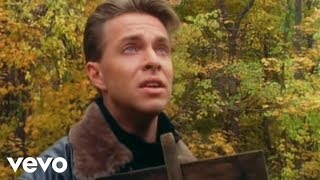
Watch the official Turn Back The Clock
music video
The Sleepless Voice at the Center
The story begins in private. The narrator is alone after the day has ended, unable to rest, with old memories taking over. Phrases like still can't sleep
and begin to weep
create a quiet, intimate scene.
This voice is not dramatic in a rock-ballad way. It is controlled and inward. They are not yelling at the world. They are sitting with memory and letting it hurt.
A Photo as the Song’s Emotional Trigger
One of the smartest images in the song is the picture held in the narrator’s hand. They see a boy I still resemble
, but they no longer fully understand that earlier self. That line gives the song extra depth.
Interpretation: this is not just nostalgia for old times. It may also be a crisis of identity. The narrator misses not only a period of life, but also a version of themselves that once felt whole, innocent, or emotionally clear.
Why the Chorus Hits So Hard
The chorus uses a common phrase, turn back the clock
, but gives it real emotional weight. The narrator wants to stop time’s movement and return to days that felt better. That desire is universal, which helps explain the song’s lasting appeal.
Still, the chorus is carefully balanced. It does not say the past was perfect. It says life felt better then. That is an important difference. The song leaves room for memory to be selective, warm, and maybe a little idealized.
Bring the wheels of time to a stop
Back to the days
Those lines turn time into something mechanical and unstoppable. The image of "wheels" suggests motion that cannot naturally be reversed. So the chorus is powerful partly because it asks for the impossible.
Memory, Love, and the Fear of Losing Both
The bridge adds one of the song’s most important ideas. The narrator pushes back against the thought that this is merely surrender or weakness. Instead, they ask where love would be without memory.
That changes the whole song. Nostalgia here is not treated as unhealthy by default. Memory becomes proof that love mattered at all. The plea Don't let the memories slip away
is not just sentimental. It is almost existential.
Interpretation: the song suggests that identity, love, and memory are tied together. If someone loses the past completely, they may feel they have also lost part of their emotional truth.
How the Production Softens the Pain
Musically, the track’s smooth 1980s sophisti-pop style is a big part of its meaning. It was produced by Calvin Hayes and Mike Nocito, and contemporary reviews described it as a polished, medium-paced ballad. That polished surface matters.
Instead of jagged guitars or explosive drums, the song leans into softness and elegance. The restrained arrangement makes the feeling seem mature. It sounds like reflection after the fact, not a breakdown in the moment.
That is why the sadness lands so well. The production gives the lyrics space to breathe. It lets listeners feel the ache without forcing it. Songfacts also notes that Kim Wilde provided background vocals, a detail that adds to the glossy pop finish associated with the era.
Artist Context and Why It Connected
Johnny Hates Jazz built their reputation on clean, thoughtful pop, and this song fits that image perfectly. As the third single from Turn Back the Clock, it followed earlier successes and became another UK hit, while also reaching the U.S. Adult Contemporary Top 5.
Some critics at the time were mixed, with Music Week calling it a "slickly produced, medium paced ballad." Even that slight reservation points to the same truth: the song was built for emotional clarity and radio comfort.
Its staying power comes from that balance. It is sad, but not messy. Stylish, but not cold. Personal, but broad enough that almost anyone can step into it.
The Lasting Meaning of Turn Back The Clock Johnny Hates Jazz
In the end, the meaning of Turn Back The Clock Johnny Hates Jazz is not really about changing history. It is about the pain of knowing that some of life’s best moments can only be revisited in memory.
The song understands that remembering can wound them, but it also keeps love alive. That is why it still resonates: it turns nostalgia into something tender, serious, and deeply human.
Disclaimer: This interpretation is based on the lyrics, the song’s recorded mood, and documented background about its release and reception. Meaning can remain personal, and listeners may hear it differently.








