Why “Big Fun” Turns Chaos Into a Social X-Ray
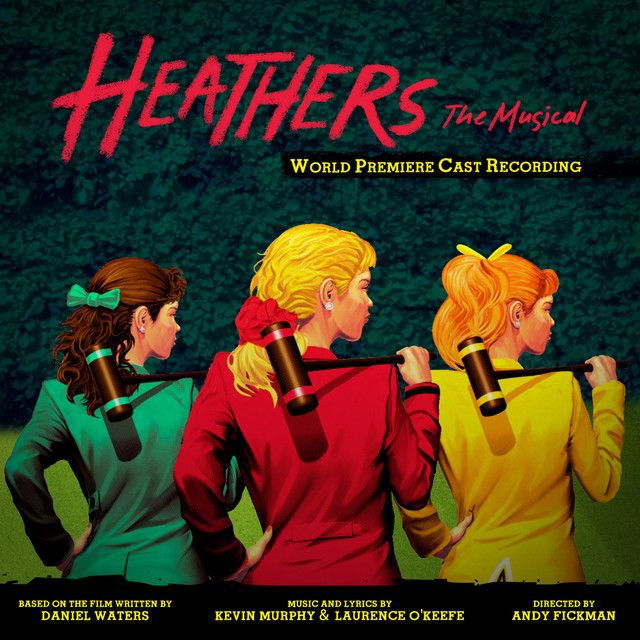
The meaning of Big Fun Jon Eidson, Evan Todd, Barrett Wilbert Weed, Jessica Keenan Wynn, Alice Lee starts with a party song and ends somewhere darker. On the surface, this number from Heathers: The Musical sounds wild, loud, and funny. But underneath the jokes, drinking, and hookups, it exposes how badly these teens want approval.
"Big Fun" - Jon Eidson, Evan Todd, Barrett Wilbert Weed, Jessica Keenan Wynn, Alice Lee
You heard the man, it's time to rage!
Blast the bass, turn out the light
Loading lyrics...
Unable to load lyrics
We're unable to display the lyrics at this time. Please try again later.
In the stage musical by Laurence O'Keefe and Kevin Murphy, “Big Fun” arrives as a key social scene. It throws many characters into one house and lets the audience watch who belongs, who pretends to belong, and who gets pushed out. That is why the song matters: it is less about fun itself than about the pressure to perform fun.
The Party Is Really a Test
At a basic plot level, the song describes an unsupervised house party. Parents are away, rules are gone, and the crowd treats that freedom like a challenge. Short lines about blasting music, sneaking alcohol, and staying up all night create a mood of reckless release.
But the song keeps showing that this release is not equal. Some characters control the room, while others are desperate to be accepted. When the group repeats big fun
, they are not just naming the party. They are selling an idea of what a “real” teenage night should look like.
Interpretation: the hook works like a chant of self-persuasion. If everyone keeps saying this is amazing, then nobody has to admit how awkward, cruel, or empty it feels.
Watch the official Big Fun
music video
Veronica’s Brief High Matters Most
One of the smartest parts of the song is Veronica’s emotional shift. For a moment, the party gives her what she has been missing: attention without ridicule. When she notices a boy smile at her, and when she feels included in the room, her excitement sounds sincere rather than fake.
That is why lines like not alone
and not afraid
matter so much. They show that the party is not only about rebellion. For Veronica, it is also about relief. She experiences a temporary version of belonging.
Belonging Comes With a Price
Still, the song does not let that feeling stay innocent. Veronica’s high is tied to drinking, peer pressure, and the hierarchy created by the Heathers and the jocks. The same environment that makes her feel seen also demands that she overlook what it does to other people.
So the song builds a trap: acceptance feels wonderful, but it depends on joining a culture that humiliates the vulnerable.
Comedy Covers Up Something Mean
Musically, “Big Fun” is built to feel contagious. In most productions, it moves fast, stacks voices together, and uses punchy ensemble rhythms that mimic a crowded room. The repeated title phrase, shouted responses, and quick spoken bits make the scene sound almost unstoppable.
That production style is important to the meaning. The song is catchy because social momentum is catchy. People get swept along.
At the same time, the comic energy hides uglier behavior. The crowd jokes, flirts, and boasts, but cruelty keeps breaking through. That contrast becomes especially sharp when Martha enters with innocent intentions and gets mocked instead.
I brought sparkling ciderIn context, that small, wholesome detail makes her stand apart from everyone around her.
This is the emotional pivot of the number. The party stops being merely chaotic and becomes morally revealing.
Martha Changes the Meaning of the Song
Before Martha arrives, the song can almost pass as exaggerated teen rebellion. After she arrives, the audience sees the real rules of this world. Kindness is weakness. Sincerity is embarrassing. Status matters more than empathy.
Her entrance also exposes the gap between fantasy and reality. The party claims to welcome freedom, but it does not welcome difference. Anyone who cannot match the group’s image of cool gets punished.
Interpretation: this is why “Big Fun” works as a social x-ray. It shows the bones of the school’s power structure more clearly than a quieter scene could.
Rebellion Without Freedom
Another key idea in the song is that these teens act rebellious, yet they are deeply controlled. They copy one another’s behavior, slang, and desires. Even the wildest moments feel scripted by peer expectation.
When the ensemble celebrates being unsupervised and jokes that the adults have no clue
, they sound triumphant. But the irony is that the kids do not know themselves very well either. They are acting out roles: the queen bee, the jock, the outsider, the eager follower.
So the song is not a pure anti-adult anthem. It is also a portrait of conformity in teenage form.
Why the Sound Feels So Big
“Big Fun” is a strong example of musical theater storytelling because the arrangement does character work. The busy ensemble writing creates overlap and noise, which mirrors the confusion of the party. Featured lines pop out briefly, then get swallowed by the crowd. That reflects the social reality of the scene: individual feelings matter until the mob decides otherwise.
The song’s placement in Heathers also matters. It helps set up later emotional consequences by showing how attraction, humiliation, and power get tangled together. In that sense, it is a fun song with a warning inside it.
For broad context, the number belongs to the cult afterlife of Heathers, which grew from the 1989 film into a popular stage property and later recordings and performances documented through the show’s official site.
The Lasting Meaning of “Big Fun”
The lasting meaning of “Big Fun” is that teenage excess can look exciting while hiding loneliness and cruelty. The song understands that parties can feel magical to the excluded person who finally gets invited. It also understands how fast that magic can turn ugly.
In the end, “Big Fun” is not really celebrating chaos. It is exposing how badly these characters want connection, and how often they chase it in the worst possible places.
Disclaimer: This interpretation is based on the lyrics, dramatic context, and common staging of the song, and other listeners may reasonably hear different emphases in it.







