Why Jon Pardi Flips the Cowboy Heartbreak Story
The meaning of Ain't Always The Cowboy Jon Pardi centers on a simple but powerful twist: the person who leaves is not the man. In a genre full of drifters, riders, and men who cannot settle down, this song turns the camera around and shows what it feels like to be left behind.
"Ain't Always The Cowboy" - Jon Pardi
Tears rollin' out of her eyes
No messin' with a made-up mind
Loading lyrics...
Unable to load lyrics
We're unable to display the lyrics at this time. Please try again later.
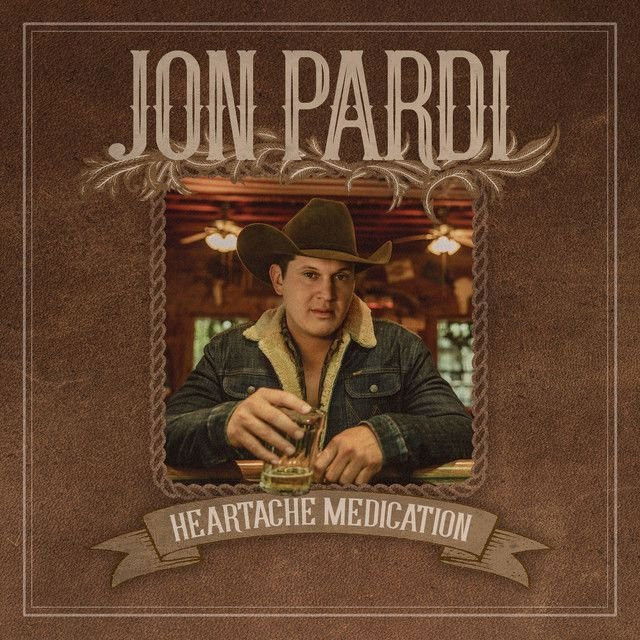
Jon Pardi recorded the song for Heartache Medication in 2019, and Songfacts describes it as a ballad that “flips the script.” That phrase fits. The song keeps its cowboy imagery, but it uses that imagery to describe a woman whose need for freedom is just as strong.
The Core Idea Behind the Song
At its heart, this is a breakup song about accepting someone else's restless spirit. The opening scene is intimate and final. They are standing close, her mind is made up, and the relationship is over. The narrator is stunned because, this time, they are not the one walking away.
That is why the chorus matters so much. When the song says It ain't always the cowboy
, it challenges an old country idea. The “cowboy” usually represents the person who cannot stay, but here that role belongs to her.
Interpretation: The song is not attacking her for leaving. It is recognizing that freedom, ambition, and emotional distance are not only male traits. That makes the track feel modern without losing its classic country frame.

Watch the official Ain't Always The Cowboy
music video
How the Story Unfolds Line by Line
The first verse sets up the breakup in a few sharp details. There is physical closeness, visible pain, and then emotional certainty. The line about made-up mind
tells the listener this is not a fight that can be fixed. She has already chosen her road.
Then the song reveals the real shock: It wasn't me
trying to leave. That one idea changes everything. The narrator is used to the cowboy role, or at least understands it, but now they have to sit with the quiet that comes after being left.
In the second verse, the narrator admits they have never seen over from this side
. That is one of the song's strongest moments. Instead of big drama, it shows a new kind of loneliness: the emptiness of being the one who stays.
Still, the song does not become bitter. They can still admire her spirit. When the narrator says that girl can fly
, it sounds like heartbreak mixed with respect.
The Chorus Rewrites a Country Archetype
The chorus is catchy, but it also carries the song's whole argument. It describes someone with no urge to settle, someone driven by movement and searching. In older country songs, that person is often a man in boots, behind a wheel, or under a wide sky.
Here, those same traits belong to the woman. The phrase tumbleweed heart
makes that clear later in the song. She is not careless, exactly. She is pulled by something bigger than the relationship.
Interpretation: The song suggests that love can fail not because it was false, but because one person is still being called elsewhere. That reading helps explain why the narrator sounds hurt but not angry.
Gone's just what they do
Searchin' for somethin'
Those short lines sum up the emotional logic of the chorus. Leaving is not framed as cruelty. It is framed as nature.
Why the Western Imagery Matters
The song works because its symbols are familiar and flexible. Cowboys, boots, tumbleweeds, wind, and a midnight Chevrolet all belong to country music's visual language. But instead of using those images to glamorize male freedom, the song gives them to the woman.
That choice matters. It lets the song question gender expectations without sounding preachy. The setting still feels dusty, wide, and traditional. Only the role assignment changes.
There is also a strong visual sense of motion. Sunset, dust, and highway imagery make the relationship feel temporary, as if it was always going to be hard to hold onto someone built for open space.
How Jon Pardi's Performance Shapes the Meaning
Pardi leans into the sadness, but not with self-pity. His vocal delivery is steady and warm, which helps the song feel reflective instead of resentful. That balance is a big reason the song connects.
Production-wise, the track plays like a country ballad with room to breathe. The arrangement supports the lonely theme without overpowering it. According to Songfacts, Pardi called it a “happy leaving song” and said it was about a woman chasing dreams and doing her own thing. That comment is useful because it confirms the song's unusual emotional angle.
Songfacts also notes a later “Western Version,” which Pardi said begins intimately and builds toward a cinematic image of her riding away into the sunset. That image fits the song perfectly: a heartbreak story told like a Western, except the rider is her.
Why the Song Still Lands
Part of the reason this track stands out is that it respects both people in the breakup. The narrator is wounded, but the woman is not reduced to a stereotype. She is independent, hard to hold, and maybe even inspiring.
That is the lasting answer to the meaning of Ain't Always The Cowboy Jon Pardi. It is a song about role reversal, yes, but also about maturity. Sometimes love means understanding that the person leaving is not heartless. They are just still in motion.
Final Take Under the Sunset
This song takes old country symbols and gives them a fresh emotional use. It shows that restlessness is human, not just masculine, and that heartbreak can come with admiration.
Interpretation disclaimer: Song meaning is never completely fixed. This reading is based on the lyrics, Pardi's comments, and the song's country imagery, but different listeners may hear it differently.









