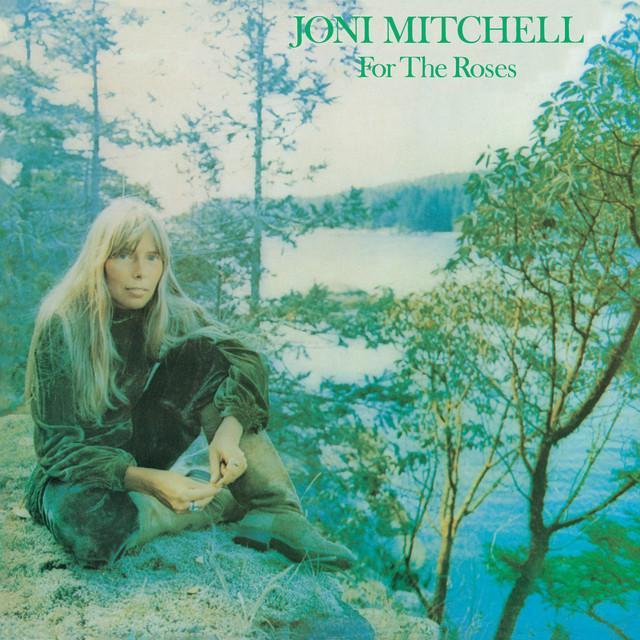
Barangrill by Joni Mitchell
Why This Elusive Song Still Pulls People In
The meaning of Barangrill Joni Mitchell often comes down to one big question: what exactly is being searched for? On the surface, the song follows a traveler asking for directions to a place called Barangrill. But the deeper story feels less geographic and more spiritual.
"Barangrill" - Joni Mitchell
Black diamond earrings
Talking about zombies
Loading lyrics...
Unable to load lyrics
We're unable to display the lyrics at this time. Please try again later.
Joni Mitchell builds the song out of diners, highways, gas pumps, and chance encounters. Those details make the search feel real, but they also suggest that Barangrill may not be a place anyone can point to on a map. Interpretation: it sounds more like a symbol for wisdom, peace, purity, or some final answer that always stays just out of reach.

Watch the official Barangrill
music video
A Road Song About Wanting Certainty
The song moves through small scenes with workers and strangers. First come the waitresses, described through details like black diamond earrings
and casual talk. They seem calm and unbothered, unlike the anxious state of the person looking for answers.
That contrast matters. Mitchell sets ordinary composure against restless longing. The narrator thinks a waitress might know something important, especially after the second refill
, but the moment collapses into routine when the bill arrives. The song gently shows how people can mistake normal confidence for higher wisdom.
This pattern repeats. The traveler asks around, hoping somebody can provide a route to Barangrill
, but each encounter reveals more about the seeker than the people being questioned. They are not saints or gurus. They are simply living their lives.
The Search Is Spiritual, but the Setting Is Plain
One of the sharpest lines in the song points toward service and humility. The lyric hints that some people think purity comes through being humble. That idea opens the song beyond a road-trip story and into a spiritual one.
Interpretation: Barangrill can be heard as a kind of enlightenment myth. The seeker wants a shortcut to truth. They hope someone at the counter, on the road, or near the register can name the way. But Mitchell keeps placing that desire in very ordinary spaces, as if to ask whether transcendence is being overcomplicated.
There is also a sly sense of self-awareness here. The song knows the search can become absurd. When the narrator laughs at how crazy it all is, Mitchell seems to admit that the hunger for one perfect answer may itself be the trap.
Faces, Mirrors, and Projection
A key part of the meaning of Barangrill Joni Mitchell is projection. The narrator keeps looking at strangers and imagining that they possess secret knowledge. But the song suggests those impressions are often reflections of desire.
Mitchell captures that with the image of her mirrors and your will
. In simple terms, the seeker is seeing what they want to see. The waitress is thinking about breakfast and her boyfriend, not delivering enlightenment. The truck driver is not a guide either. He is described as bound to the same system as everyone else.
That does not make these people empty. It makes them human. Mitchell is careful and compassionate here. The song never mocks workers or everyday life. Instead, it questions the urge to turn other people into symbols just because the seeker feels lost.
The Gas Station Moment Changes the Song
The final verse may be the emotional center. At the gas pumps, a man sings in a warm, easy style, compared to Nat King Cole. He improvises a tune about the objects around him and his own job. It is not grand philosophy. It is just presence, charm, and personality.
That is why this scene matters so much. For once, the traveler is not only chasing the answer. They are briefly absorbed in a real human moment. Mitchell says a longing gets filled, and the listener understands that the search pauses because something genuine has already happened.
In that sense, the song’s deepest twist is simple: the seeker forgets to ask for directions. That may be the closest they come to what they wanted all along.
How Joni Mitchell’s Style Deepens the Meaning
Mitchell wrote the song herself, and her writing style is central to its effect. She often mixed sharp visual detail with emotional ambiguity, especially in the mid-1970s, when her songs became more observational and jazz-influenced. "Barangrill" appears on For the Roses (Joni Mitchell official discography), an album often noted for its mix of intimacy, fame critique, and spiritual questioning.
The production helps the meaning land. The song has a loose, flowing feel rather than a hard-driving structure. That musical openness mirrors the drifting search in the lyrics. Instead of pushing toward a dramatic conclusion, the arrangement leaves space for uncertainty, which suits a song about looking for answers and never fully arriving.
So What Does Barangrill Finally Mean?
The most convincing reading is that Barangrill stands for a hoped-for state of arrival: peace, truth, purity, or inner rest. Yet Mitchell does not present that goal as something a stranger can hand over.
Interpretation: the song suggests that searching too hard can blind a person to the grace already around them. A waitress, a truck driver, a singer at the pumps: none of them know the road to paradise. Still, one of them offers a fleeting moment of connection, and that moment may be more real than the fantasy destination.
The Lasting Takeaway
That is why the meaning of Barangrill Joni Mitchell continues to resonate. It turns a simple question about directions into a subtle meditation on longing, projection, and the strange hope that someone else might know how to live.
Mitchell never forces a final answer. She leaves listeners with a richer uncertainty: maybe the place being sought does not exist as a destination at all.
Disclaimer: This interpretation is based on the song’s lyrics, themes, and known album context. As with many Joni Mitchell songs, different listeners may reasonably hear it in different ways.







