Why 'Help Me' Is Joni Mitchell's Smartest Love Trap
The meaning of Help Me Joni Mitchell comes down to a problem many love songs avoid: attraction can feel wonderful and dangerous at the same time. In this song, they do not sound confused about their feelings. They sound almost too clear. They know the thrill, they know the warning signs, and they know they may still fall anyway.
"Help Me" - Joni Mitchell
I think I'm falling
In love again
Loading lyrics...
Unable to load lyrics
We're unable to display the lyrics at this time. Please try again later.
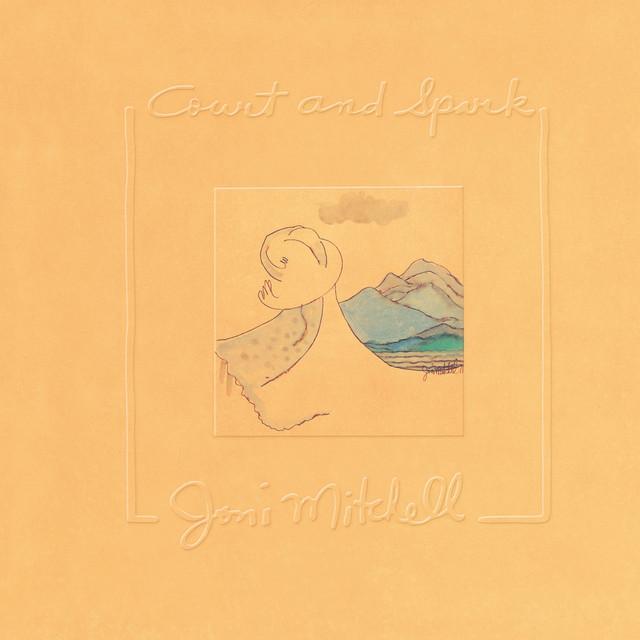
Released on Court and Spark in 1974, "Help Me" became one of Mitchell's biggest hits, a major crossover moment in her catalog. Factually, it sits in the polished, jazz-leaning pop world of that album, which marked a shift from her earlier folk sound. That broader context matters because the song's meaning is not teenage panic. It is adult hesitation set to elegant, easy-moving music.
A Love Song That Starts With a Warning
At the center of the song is a speaker who feels desire arriving faster than caution can control it. Early on, the plea Help me
is less about weakness than awareness. They can tell they are sliding into an old emotional pattern.
When the singer admits I think I'm falling
, the line sounds simple, but the rest of the song complicates it. This is not a fantasy of perfect romance. It is a self-diagnosis. They are excited, but they also expect consequences.
Interpretation: That is why the song feels so modern. Instead of presenting love as pure salvation, it shows love as a force that can reopen old fears.

Watch the official Help Me
music video
Freedom Is the Real Rival
The sharpest idea in the lyric is that romance is not competing with another person. It is competing with independence. The song describes a charming man as a drifter, someone seductive but hard to hold. The key phrase love your freedom
explains more than any biography could.
Just as importantly, the song does not blame only him. Later, the narrator broadens the confession into we love our lovin'
. That small shift matters. They are not standing outside the problem. They are part of it.
This makes the meaning of Help Me Joni Mitchell richer than a simple story about falling for the wrong guy. The song suggests that both people are drawn to intimacy but resist being pinned down by it. They want closeness without losing themselves.
Past Damage, Present Desire
Another reason the song hits so hard is its emotional timeline. The narrator is not innocent. They mention earlier romances that burned brightly and then collapsed. Instead of quoting those memories in detail, the lyric compresses them into images of heat fading into ruin.
That is why one of the song's smartest lines is worrying about the past
. Falling in love usually points forward. Here, the future and the past crash into each other. Hope rises, but memory interrupts it.
The emotional sequence, in simple terms
- They feel chemistry.
- They recognize the other person's restless nature.
- They remember past relationships ending badly.
- They still move closer.
- They fear being left to feel more than the other person does.
That structure gives the song tension. Nothing dramatic has happened yet, but the singer already feels the shape of possible heartbreak.
The "Good" Moments Make It Harder to Resist
One of the most revealing sections remembers how easy it feels just to spend time together, talking or not talking. The song briefly relaxes there. Instead of warning signs, it gives snapshots of comfort, flirtation, and social life.
Didn't it feel good
We were sitting there talking
Or lying there not talking
This short passage matters because it explains why the narrator cannot simply walk away. The attraction is not only physical. There is ease, rhythm, and companionship. The relationship already feels lived in.
Interpretation: These scenes suggest that danger in the song comes wrapped in genuine pleasure. The narrator is not fooled by nothing. They are responding to something real.
How the Sound Softens the Panic
Musically, "Help Me" is crucial to understanding its message. Court and Spark is widely noted for blending pop accessibility with jazz textures, and this track carries that balance beautifully. The groove is smooth, the phrasing is supple, and the arrangement feels airy rather than heavy.
That matters because the lyric is anxious, but the sound glides. The contrast creates sophistication. They are not sobbing over a breakup; they are thinking in real time while desire keeps moving. Mitchell's vocal delivery helps too. She sounds alert, witty, and vulnerable all at once.
In plain terms, the music makes emotional risk feel seductive. If this song were harsher or louder, it might sound like alarm. Instead, it sounds like someone smiling while admitting they may be in trouble.
A Portrait of Adult Ambivalence
The deepest strength of the song is its honesty about mixed motives. The singer wants love, but not blindly. The other person wants connection, but may not want limits. And underneath both of them sits the same fear: if love becomes serious, freedom may shrink.
That is why the closing question lands so well. The narrator wonders whether they will be left to go deeper alone. In other words, they are not just afraid of love. They are afraid of unequal love.
For many listeners, that is the lasting meaning of Help Me Joni Mitchell. It captures the exact moment when romance stops being just exciting and becomes emotionally risky. It is about desire with memory attached.
Final Take on Joni Mitchell's Message
"Help Me" endures because it turns a catchy pop song into a study of emotional self-awareness. They know the rush, they know the pattern, and they know freedom can be both protection and barrier.
That balance is what makes the song feel timeless: it understands that grown-up love often means wanting closeness and escape in the same breath.
Disclaimer: This interpretation is based on the released lyrics, recording, and widely known career context. As with any song, meaning can remain open to listener interpretation.








