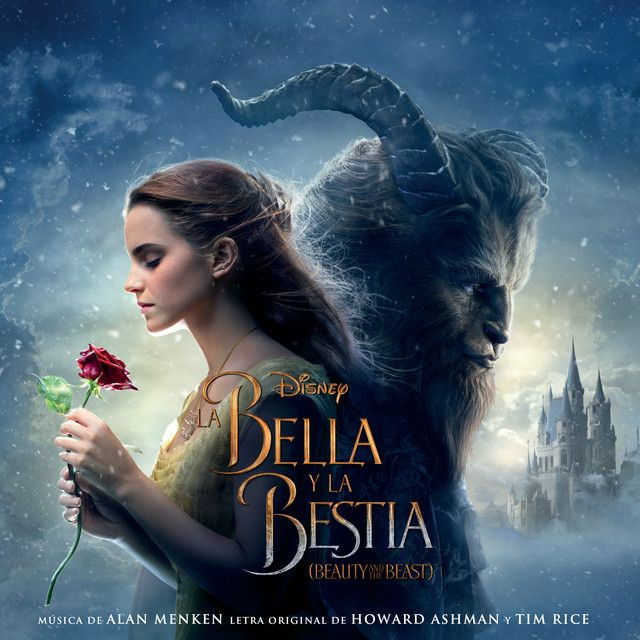
Evermore by Josh Groban
Why This Ballad Hits So Hard
The meaning of Evermore Josh Groban comes down to one painful idea: love finally teaches the Beast how to be selfless, but he learns that lesson at the exact moment he may lose Belle forever.
"Evermore" - Josh Groban
I was the master of my fate
I never needed anybody in my life
Loading lyrics...
Unable to load lyrics
We're unable to display the lyrics at this time. Please try again later.
Josh Groban’s recording was released for Disney’s 2017 Beauty and the Beast remake, while Dan Stevens sings the song in the film as the Beast. Groban’s version plays over the end credits, giving the story’s emotional peak a polished, soaring afterglow. According to Songfacts, Alan Menken explained that the song captures the moment when the Beast lets Belle leave out of love, even though doing so may keep the curse from breaking.
That context matters. This is not just a breakup song. It is a song about choosing another person’s freedom over one’s own hope.
Watch the official Evermore
music video
The Core Story Inside the Lyrics
At the start, the narrator looks back on a life built around pride and control. When he says master of my fate
, the point is not strength but emotional distance. They had once believed that needing nobody was a kind of power.
Then the song turns. He now sees that this way of living left him empty, and he admits he learned that truth too late. The heartbreak is not only that Belle is gone. It is that love arrived just in time to change him and just too late to save him from pain.
This is why the song feels larger than simple sadness. It mixes regret, gratitude, and loss all at once.
A Love Song Built on Letting Go
The most important emotional move in “Evermore” is its reversal. Instead of fighting to keep Belle close, the singer accepts her departure and still loves her. That is the clearest sign of growth.
A brief section of the chorus shows this tension:
she'll never leave me
even as she runs away
The idea is that Belle will remain inside his memory and conscience even while she is physically gone. She is absent, but emotionally permanent.
That is what gives the title its force. “Evermore” does not promise romance in the usual happy-ending way. It means her impact will last forever, whether or not she returns.
How Key Images Support the Theme
Several images carry the song’s meaning with unusual clarity.
First, the phrase lonely tower
points to both the Beast’s castle and his inner state. He lives in a grand place, but it feels like a prison. The higher the tower, the more isolated he seems.
Second, the image of an open door
suggests hope that refuses to die. He knows she may never come back, but part of him keeps waiting. That makes the song tragic without making it hopeless.
Third, references to fading light and long nights turn his grief into something physical. Time itself seems to stretch. The world grows dim because his future feels dim.
Josh Groban’s Performance Changes the Texture
Fact: Josh Groban did not originate the song in-character, but his version helped define how many listeners remember it. Released on March 3, 2017, ahead of the soundtrack, it presented “Evermore” as a standalone pop-classical ballad tied to Disney’s marketing push for the film, as noted in Wikipedia’s song entry.
Groban’s voice matters to the interpretation. His style is smooth, rich, and deeply controlled, so the pain in the song feels noble rather than wild. Where the film version has the drama of a character in crisis, Groban’s version sounds like reflection after the storm.
That shift makes the meaning of Evermore Josh Groban feel slightly broader. In his hands, the song can be heard not only as the Beast’s confession, but as a universal statement about loving someone enough to release them.
The Song’s Broadway DNA
“Evermore” was written by Alan Menken and Tim Rice for the live-action remake, replacing the need to reuse a stage song from earlier Beauty and the Beast versions. Menken and Rice built it like a theatrical power ballad: rising melody, swelling strings, and emotional escalation.
The arrangement supports the lyric arc. It begins in sorrow, then climbs toward acceptance. Even when the words describe waiting and loss, the music rises upward, as if the character is becoming more human through suffering.
Interpretation: That upward motion is the whole point. The Beast does not win by getting what he wants in the moment. He wins morally by becoming someone capable of sacrificial love.
A Character Song About Growth, Not Possession
One reason the song endures is that it refuses a selfish view of romance. The narrator does not say Belle owes him love. He only admits that she changed him.
When he imagines she may return and be with him for evermore
, the line sounds tender, but also self-aware. He knows he may be fooling himself. The song lets hope survive, yet it never denies reality.
That balance is why audiences responded so strongly. The song works as Disney drama, but it also speaks to a real feeling: sometimes people become better because of a love they cannot keep.
Final Take on Its Meaning
The meaning of Evermore Josh Groban is the discovery that true love is not possession but sacrifice. The singer is heartbroken, but they are also transformed.
Groban’s grand, emotional performance makes that transformation feel timeless. The song aches, but it also honors the way love can leave a permanent mark for the better.
Disclaimer: This interpretation combines verified film context with lyrical analysis, so some meaning remains open to listener perspective.









