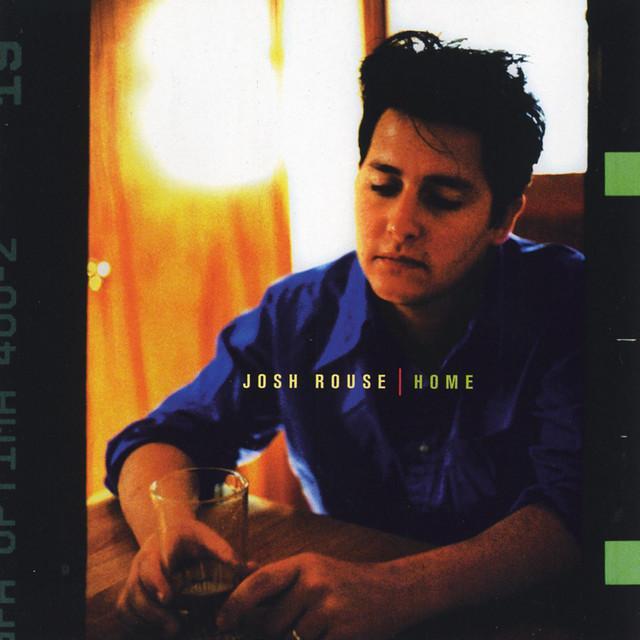
Directions by Josh Rouse
The meaning of Directions Josh Rouse centers on a simple but sharp idea: a person can feel lost in more than one kind of life. This song is not just about wild behavior or boring routine. It is about the uneasy moment when someone realizes that their current path no longer fits who they want to be.
"Directions" - Josh Rouse
Seems to lack the attention that it used to
You stay out all night and get high with your friends
Loading lyrics...
Unable to load lyrics
We're unable to display the lyrics at this time. Please try again later.
Even without complicated imagery, the lyric hits hard because it judges two opposite versions of adulthood. One is chaotic and unproductive. The other looks stable from the outside but feels emotionally flat. That contrast gives the song its real bite.
A Song About Being Off Course
At its core, the song describes dissatisfaction. In the first verse, the narrator looks at a person whose life seems scattered. They are staying out too late, getting distracted, and not finishing anything. The repeated complaint about the person’s direction
frames this as more than a bad night; it is a pattern.
Then the song flips the image. Instead of reckless freedom, it shows domestic safety: a person at home with television and a spouse, living what should be a settled adult life. Yet the lyric says that this comfortable life
is not what it promised to be. That reversal is the key to the song’s meaning.
Interpretation: the narrator is not saying one life is good and the other is bad. They are saying both can become dead ends when lived without purpose.

Watch the official Directions
music video
Two Verses, One Problem
The smartest thing in the writing is the mirror structure. The first verse criticizes nightlife and avoidance. The second criticizes routine and emotional numbness. On paper, those lifestyles are opposites. In feeling, they are strangely similar.
Both versions of the character seem disconnected from meaning. In one case, they chase stimulation. In the other, they settle for predictability. The line about not getting one thing done
points to wasted motion, while the later image of home life suggests a different kind of stagnation.
This is why the song feels broader than a personal complaint. It speaks to a common fear: growing up and still feeling unsure whether they chose the right road.
Who Is Speaking, and Why It Matters
The lyric uses a direct second-person address, which gives it the force of confrontation. The narrator says, in effect, that they do not like where this person is heading. That can sound caring, controlling, or both.
Interpretation: there are at least two ways to hear this voice:
- A friend or partner offering hard truth.
- A person talking to an earlier or later version of themselves.
That second reading is especially interesting because the two verses sound like different life stages. One figure is still drifting with friends. The other has already moved into settled adulthood. If the song is read this way, it becomes a warning across time: do not confuse change with fulfillment.
The Chorus Turns Judgment Into Pressure
The emotional center arrives in the section about how it is easy to get caught
and how the weight of the world falls hard. This part shifts the song from criticism to sympathy.
Up to that point, the narrator sounds almost scolding. Then the song admits something more human: people do not always choose bad patterns because they are careless. Sometimes they slide into them. They get trapped by peers, expectations, habits, or fear.
That makes the hook more than an insult. It becomes a diagnosis. The person is not simply “wrong”; they are overwhelmed, unsure, and unable to redirect themselves.
Small Words, Big Themes
The lyric is plainspoken, but it carries several strong themes:
- Direction and identity: life choices shape self-worth.
- Freedom versus stability: neither guarantees happiness.
- Pressure: adult life can feel crushing.
- Disillusionment: things that once looked exciting or secure can lose their shine.
The phrase weight of the world
is especially important. It expands the song beyond one person’s bad habits. Suddenly the struggle feels social and emotional, not just personal. They are not only making poor choices; they are trying to live under pressure.
How the Sound Supports the Meaning
Because the request provides lyrics but not verifiable production details, it is safest to focus on how the writing implies musical effect rather than make unsourced factual claims about the recording.
The repetition is crucial. The returning title line works like a road sign the listener cannot ignore. Each cycle feels less like a passing observation and more like a fixed concern. That circular structure mirrors the trap described in the words: people repeat behaviors even when they know something is wrong.
The chorus also likely lands as a release point because its language widens from daily habits into emotional burden. In songs like this, repetition and contrast usually do the heavy lifting. One verse shows one type of stuckness, the next shows another, and the repeated refrain ties them together.
Why the Song Still Connects
What makes this song relatable is that it refuses easy answers. It does not praise rebellion, and it does not glorify settling down. Instead, it questions both. That tension is why the meaning of Directions Josh Rouse feels durable.
Many listeners know this feeling. They may look at a messy life and want structure. Then they may achieve structure and still feel restless. The song understands that disappointment can wear different clothes.
Final Turn: A Warning, Not a Map
In the end, the song is less interested in giving guidance than in naming dissatisfaction. It notices when a life no longer feels aligned, whether that life looks reckless or respectable. Its real message is that drifting can happen in public chaos or private comfort.
Interpretation: the song’s deepest idea is that purpose requires more than motion or stability. A person can be busy, settled, social, married, or distracted and still feel lost.
That is what gives the lyric its sting. It is not about one wrong choice. It is about the harder truth that people can wake up in very different circumstances and ask the same question: how did they end up heading here?
Disclaimer: This interpretation is based on the lyrics provided and common critical reading practices. Song meaning can remain open, and listeners may hear something different in the same words.








