Why Journey's Breakup Hit Still Stings
The meaning of Lovin', Touchin', Squeezin' Journey becomes clear fast: this is not a sweet love song. It is a bitter song about cheating, shock, and the urge to see heartbreak come back around.
"Lovin', Touchin', Squeezin'" - Journey
Just when you said we'd try
Lovin', touchin', squeezin' each other
Loading lyrics...
Unable to load lyrics
We're unable to display the lyrics at this time. Please try again later.
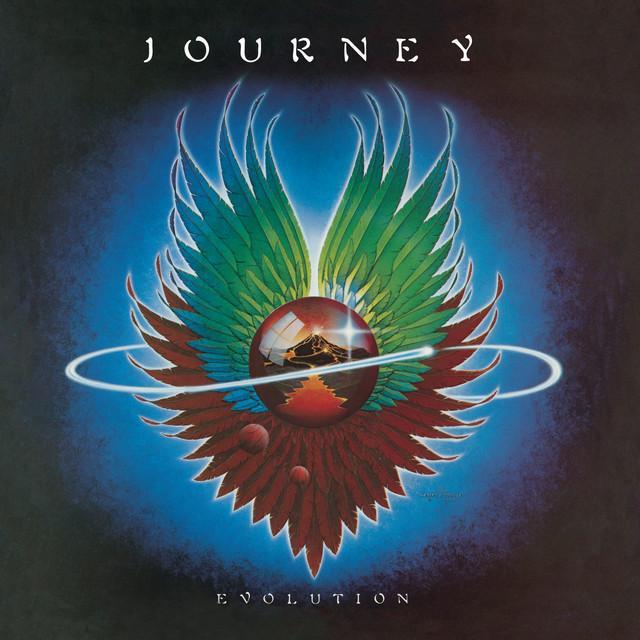
Released as a single from Evolution in 1979, the track became Journey’s first U.S. Top 40 hit, peaking at No. 16 on the Billboard Hot 100. It was written by Steve Perry and produced by Roy Thomas Baker. Those facts matter because the song helped mark Journey’s shift from a more jam-based early sound into the arena-ready, emotional style that would define their biggest years.
A Love Song Turned Inside Out
What makes the song memorable is its trick with language. The title sounds warm and physical, but in the story those actions are no longer signs of closeness. They have become evidence of betrayal.
The narrator is crushed by seeing a relationship promise fall apart. Early lines describe intense pain, even with the blunt phrase weep and want to die
. That wording is not subtle, and that is the point. Perry wrote the song to feel immediate and raw, not elegant.
Interpretation: The title works almost like sarcasm. The words of affection keep repeating, but each repetition hurts more because they now belong to someone else.
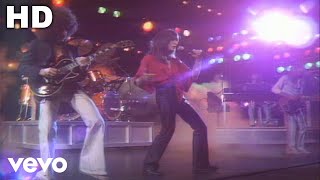
Watch the official Lovin', Touchin', Squeezin'
music video
The Story Moves From Hurt to Revenge
The plot is simple, which helps the emotion land. First, the singer realizes his partner is with another person. Then he describes how that betrayal is breaking him apart. Finally, he predicts that her new lover will do the same thing to her.
That turn matters. The song stops being only about pain and becomes about what Perry once called “love justice.” In other words, the narrator cannot control what happened, but he can imagine a future where the cheater feels the same wound.
One of the key phrases is tearin' me apart
. It reduces the feeling to something physical, almost like emotional damage has become bodily harm. Later, the song flips the scene back on the woman, making the structure feel like poetic payback rather than forgiveness.
It won't be long
till you're alone
lovin' another
That short section captures the whole revenge arc. The singer predicts that the cycle she started will trap her too.
Steve Perry's Real-Life Hurt Shapes the Song
Part of the song’s force comes from its background. Reporting from American Songwriter and Songfacts says Perry wrote it after a real incident involving a girlfriend and another man. That origin helps explain why the lyrics sound less like invented drama and more like fresh injury.
It also explains why the song sits so naturally in Perry’s voice. He does not sing it like a detached narrator. He sings it like someone reliving the scene in real time.
Factual context: Journey had started in 1973 with a more instrumental, progressive style tied to members’ Santana roots. By the time of Infinity and then Evolution, Perry’s voice and songwriting pushed them toward a more melodic, radio-friendly direction. This song became a major proof of that new identity.
Why the Hook Hurts So Much
The chorus is catchy because the words are simple and rhythmic. But emotionally, it is brutal. The repeated title phrase, Lovin', touchin', squeezin'
, sounds like a list of tender gestures. In the song, though, those gestures are happening outside the relationship.
That contrast is the key to the meaning of Lovin', Touchin', Squeezin' Journey. The hook is not celebrating passion. It is replaying the scene of betrayal until it becomes obsessive.
The point of view keeps shifting
Even though the lyrics begin with a first-person wound, the song eventually turns outward. The narrator starts talking directly to the woman, almost warning her. That shift makes the song feel less helpless. It gives him a final word, even if it is only imagined.
How the Music Sells the Emotion
Musically, the track sits between rock muscle and soul phrasing. Perry’s vocal style brings a Sam Cooke-like ache, while Neal Schon’s guitar and the band’s steady groove keep it rooted in late-70s rock. Roy Thomas Baker’s production gives the song punch without smoothing away the bitterness.
The arrangement is important because it does not rush. It lets the chorus dig in, and that repetition mirrors how betrayal works in the mind. A person does not think about it once. They replay it.
Then there is the famous ending: a long na na na
fade. On paper, that looks almost playful. In practice, it feels communal. After all the hurt and anger, the band turns pain into a crowd singalong.
Interpretation: That ending may suggest release. The story itself stays unresolved emotionally, but the music lets listeners move from private misery into shared catharsis.
Why It Mattered for Journey
This song was a breakthrough not only because it charted, but because it showed how Journey could turn emotional directness into mainstream power. It helped cement Perry’s place as the band’s defining frontman and pointed toward the huge crossover success they would soon have.
It also remains relatable because its emotions are plain and human: betrayal, humiliation, anger, and the fantasy that time will balance the scales. Not everyone acts on those feelings, but many people recognize them.
Final Take on the Meaning
The meaning of Lovin', Touchin', Squeezin' Journey is a story of romantic betrayal transformed into revenge-minded soul-rock. Its genius lies in how it turns affectionate language into proof of disloyalty, then uses repetition to trap listeners inside that sting.
More than four decades later, it still lands because it sounds honest. It does not pretend heartbreak is noble. It shows how messy it really is.
Disclaimer: This interpretation mixes documented facts about the song’s writing and release with critical reading of its lyrics, sound, and emotional themes. Interpretations can vary from listener to listener.









