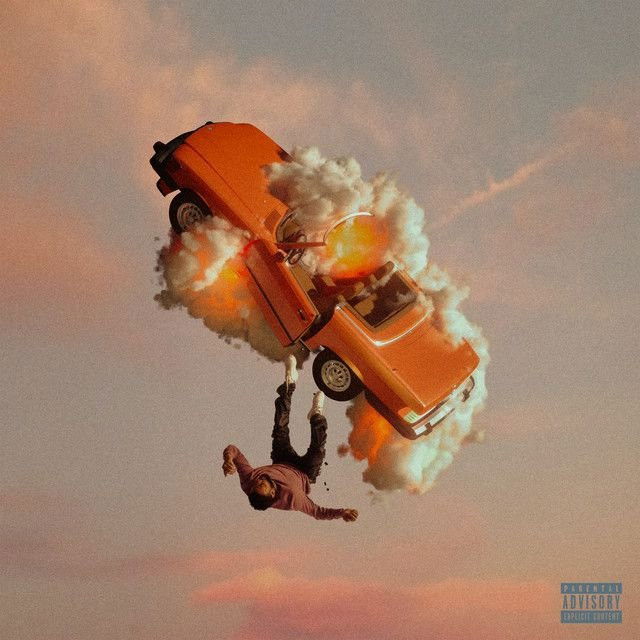
Why Joyner Lucas Turns One Day Into Chaos
The meaning of 24 hours to live Joyner Lucas starts with a simple question and then pushes it to an ugly extreme: what happens when someone believes they have nothing left to lose?
"24 hours to live" - Joyner Lucas
Blowin' up smoke and rollin' a few
Shootin' some dice and makin' a flip
Loading lyrics...
Unable to load lyrics
We're unable to display the lyrics at this time. Please try again later.
Rather than give a calm bucket-list answer, they imagine revenge, theft, sex, charity, and political rebellion all at once. That mix is the point. The song is not a gentle meditation on death. It is a stress test for the mind, showing how panic can turn desire, pain, and fantasy into one fast-moving spiral.
A Countdown Song About Impulse, Not Peace
At its core, the track is about mortality stripping away restraint. The opening scene is casual, then one friend asks what they would do with one final day. From there, the narrator answers with total excess.
Some of that excess is selfish. Some of it sounds like rough justice. Some of it is openly absurd. They want to settle grudges, grab money, punish abusers, and help poor people, sometimes in the same breath. That is why the song feels unstable: it presents a mind trying to become judge, outlaw, and savior at once.
Interpretation: the song suggests that under a death sentence, people may not become their best selves. They may become their most exposed selves.
The Hook Turns the Story Back on the Listener
The repeated question matters more than any single violent image. When the song asks what would you do?
, it reframes the verses as a challenge, not just a confession.
That hook keeps the listener from standing at a safe distance. Even if they reject the narrator's actions, they still have to answer the same question. Would they chase pleasure? Make peace? Help family? Get revenge? The song gains its power because the hook keeps reopening that moral test.
Why the Repetition Works
The repeated mention of twenty-four hours
sounds like a ticking clock. It narrows the world. Long-term plans disappear, and only raw priority remains.
In plain terms, the chorus turns a wild rap performance into a mirror.
Revenge Fantasy Meets Social Conscience
A lot of the verses are built from revenge fantasies. The narrator wants to punish enemies, expose fake friends, and stop people they see as harmful. There is anger at betrayal, jealousy, bullying, neglectful fathers, and abuse.
But the song also keeps swerving toward generosity. They talk about taking from the rich, giving to the poor, and making sure their children are cared for. That creates an important contrast. This is not a simple villain speech. It is a chaotic moral ledger where rage and compassion live side by side.
Give it all to my kids
that's my last request
That brief turn softens the persona for a moment. Beneath all the threats, there is still responsibility and fear about what gets left behind.
Interpretation: Joyner frames the narrator as someone whose ethics are damaged, not absent. They want justice, but they imagine achieving it through destruction.
How the Verses Build a Mind in Free Fall
The song works because it keeps escalating. One reckless act leads to another. The list gets bigger, harsher, and less realistic, which tells the listener something important: this is not careful planning. It is psychological overflow.
Short phrases like catch a few felonies
and kill all my enemies
do not just aim for shock. They show how quickly the speaker jumps to extremes once consequences seem irrelevant.
There is also a strong theme of humiliation reversed. People who ignored, mocked, or blocked them are now targets. In that sense, the song taps into wounded pride as much as fear of death.
Joyner Lucas Context Matters Here
Joyner Lucas has built much of their reputation on high-concept storytelling, fast technical rapping, and songs that speak from intense points of view, including tracks released around the ADHD era and beyond. That broader style makes this song easier to read: they often use character, exaggeration, and dramatic framing to make a moral point rather than to offer a diary entry.
The credited writers provided in the song information include ADHD Productions, Gary Lucas, Kavi Lybarger, Leo Son, and Valentin Cernomaz. That collaborative credit suggests a designed concept, not a loose freestyle. The song’s punchline ending also fits Joyner’s taste for twist-based storytelling.
Sound and Delivery: Why It Feels So Urgent
Production is crucial to the meaning of 24 hours to live Joyner Lucas. The beat is hard-edged and tense, giving the verses a chase-scene energy. There is little room to breathe, which matches the song’s deadline premise.
Joyner’s delivery is clipped, forceful, and restless. They rap like each bar is another item on a final checklist. That style turns the song into motion. Even when listeners disagree with the speaker, the pacing makes them feel the rush.
Just as important, the beat leaves space for the central question to land. When the hook returns, it does not calm the song down. It sharpens the pressure.
The Dark Joke at the End Changes Everything
The closing skit reveals the cruel twist: the doctor could not reach them the day before. In other words, the final 24 hours are already gone.
That ending transforms the song from fantasy into black comedy. All the imagined plans, revenge missions, and last requests collapse into nothing. Time does not wait for a perfect response.
Interpretation: this punchline may be the deepest part of the song. People spend so much time imagining what they would do “if they knew,” but life rarely gives that kind of clean warning.
Final Take on the Song’s Message
The meaning of 24 hours to live Joyner Lucas is not that a final day should be spent in violence. It is that mortality exposes desire in a raw and uncomfortable form. The song stages a meltdown full of anger, fantasy, guilt, and responsibility, then undercuts it with a joke about time already being gone.
That makes the track less about crime than about conscience. Under pressure, they do not discover one true self. They reveal a fractured one.
Disclaimer: This interpretation is based on the lyrics, performance, and song structure. As with any art, other listeners may hear different meanings.








