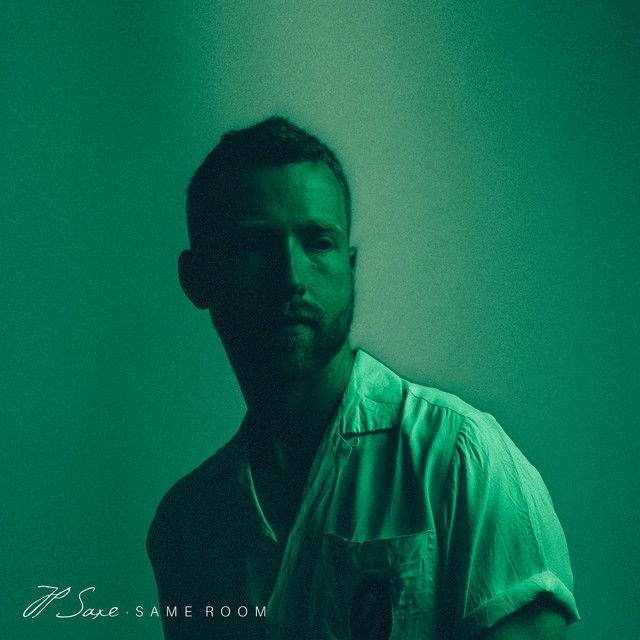
Same Room by JP Saxe
The meaning of Same Room JP Saxe comes into focus almost immediately: this is a breakup song about what happens after the big emotional speeches are over. It is not centered on why the relationship ended. Instead, it studies the strange, painful fact that two people who once crossed oceans for each other now have to avoid eye contact at the same event.
"Same Room" - JP Saxe
He had a smart person accent
He said, "Don't look through the photos"
Loading lyrics...
Unable to load lyrics
We're unable to display the lyrics at this time. Please try again later.
JP Saxe, a Canadian singer-songwriter best known for If the World Was Ending
, released “Same Room” in 2019, before it was later associated with the period around Hold It Together; the song was also shortlisted for the 2020 SOCAN Songwriting Prize, a sign that its writing struck a nerve with listeners and industry observers alike.
A Breakup Song About Proximity, Not Distance
What makes this song hit so hard is its central idea. Many breakup songs focus on absence: the missing texts, the empty bed, the silence. “Same Room” does the opposite. It is about painful closeness. The ex is not far away; they are nearby, just close enough to make every movement feel loaded.
That is why the title phrase matters so much. When the singer repeats same room
, they are not just describing location. They are describing an emotional limit. Interpretation: the room becomes a test of whether two people can act normal after love has collapsed, and the answer is clearly no.

Watch the official Same Room
music video
The Story Moves From Advice to Collapse
The opening has a dry, almost comic setup. The narrator hears expert advice about heartbreak and then immediately ignores it by looking through old photos. That small contradiction says a lot. They know the healthy rule, but grief is stronger than good sense.
A few details make the history feel real. The memory of Portugal and the idea of someone flying across the world show that this was not casual. This relationship had weight, effort, and devotion. That is why the present situation feels so cruel.
Don't look through the photos
Then I looked through our photos
That short turn captures the whole song. They understand what healing is supposed to look like, but they are not there yet.
Why the Chorus Feels So Vivid
The chorus is full of small social details. Friends step in to keep the former couple apart. The narrator plans a route to the bathroom. One person leaves before the concert ends. None of these actions are dramatic on paper, yet together they show how breakup pain invades ordinary life.
The line about trying to avoid a fake Hey, how are you?
is especially sharp. It shows that politeness can sometimes feel more unbearable than conflict. Interpretation: the song suggests that emotional honesty is impossible in that moment, so even basic manners feel like a performance.
This is where the meaning of Same Room JP Saxe becomes especially clear. The song is not only about heartbreak; it is about the choreography of heartbreak. It shows how people manage space, timing, and exits when feelings are still too fresh.
Anger Pushes Back Against Easy Lessons
One of the song’s best turns comes in the second verse, when the narrator rejects the cliché that pain will at least produce good art. Their frustration with silver linings matters because it refuses a common myth about suffering.
Too often, people try to tidy heartbreak into a lesson or a creative payoff. Saxe’s lyric pushes back. The speaker would rather have the relationship than the song. That emotional honesty keeps the track from sounding polished in a false way.
The same goes for the admission that pain is all they have left. Rather than numbing out, they choose to feel it. That is not framed as noble. It sounds desperate, but real.
Time Is Blurry After a Long Relationship
Late in the song, the narrator says it is hard to summarize the relationship length, whether it was three years or closer to four depending on where the counting starts. That is a small but brilliant detail. Long relationships rarely end in a clean, easy-to-explain way.
There is also pressure from outsiders. Everyone wants an explanation, and the singer has none that feels adequate. This deepens the song beyond private sadness. Breakups are social events too, especially when friend groups overlap and people expect a clear story.
In that sense, the song captures a very modern kind of heartbreak: not just emotional damage, but public navigation.
How the Sound Supports the Meaning
“Same Room” works because the production stays restrained. JP Saxe’s style often leans on conversational writing, soft piano or guitar textures, and a vocal delivery that sounds close to the listener rather than theatrical. That understated approach fits the lyric perfectly.
A bigger arrangement might have turned this into a grand breakup anthem. Instead, the likely sparse pop-singer-songwriter setting keeps attention on embarrassment, hesitation, and intimacy. Interpretation: the quieter sound mirrors the careful physical shrinking described in the chorus, as if the music itself is trying not to make a scene.
Why the Song Endures
Saxe, born in Toronto in 1993, built much of his reputation on emotionally direct songwriting, and “Same Room” shows that gift clearly. The song’s recognition by the SOCAN Songwriting Prize supports what listeners already hear: strong writing can make ordinary details feel devastating.
What lasts here is the precision. Rather than making giant claims about love, the song notices little things: photos, bathroom routes, early exits, and the impossible task of acting fine. Those details turn a familiar topic into something painfully specific.
The Lasting Takeaway
The meaning of Same Room JP Saxe is that heartbreak is not always loud. Sometimes it looks like careful avoidance in a crowded place. Sometimes the deepest proof of love lost is not screaming or pleading, but realizing two people cannot stand three feet apart.
That is why the song resonates. It understands that after a serious relationship ends, even shared air can hurt.
Disclaimer: This interpretation is based on the released lyrics, public artist context, and musical analysis. As with any song, listeners may hear meanings that differ from this reading.








