Hell Patrol by Judas Priest
The meaning of Hell Patrol Judas Priest comes down to motion, menace, and metal spectacle. On the surface, the song describes a violent force tearing across the landscape. Under that surface, it feels like Judas Priest turning speed and aggression into a myth.
"Hell Patrol" - Judas Priest
Mad whirlwind burning the road
Black thunder, white lightning
Loading lyrics...
Unable to load lyrics
We're unable to display the lyrics at this time. Please try again later.
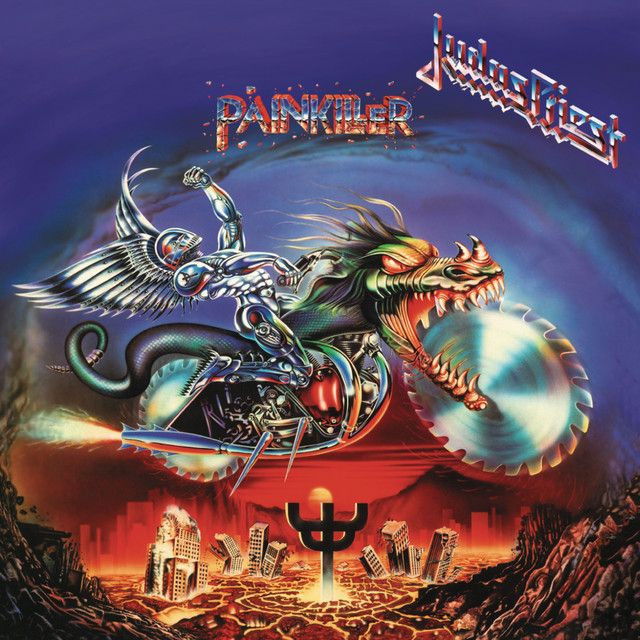
The track appears on Painkiller (1990), the same album that marked one of the band's fiercest sonic resets, as noted in standard album references such as Wikipedia's entry on Painkiller. In that context, “Hell Patrol” sounds less like a realistic story and more like a mission statement: Judas Priest had arrived in full attack mode.
A Metal Cavalry, Not a Human Portrait
At its core, the song imagines a squad of riders or fighters as something larger than ordinary people. The opening imagery uses natural chaos and machine-like speed to create that feeling. Phrases like wild fire
and white lightning
do not build a personal narrative. They build an atmosphere of instant danger.
Interpretation: the song is not mainly about individual characters. It is about what happens when power becomes unstoppable. The patrol is less a real army than a symbol of destruction, fear, and momentum.
That is why the central hook, The Hell Patrol
, matters so much. It lands like a title, a warning, and an identity all at once. Every repetition makes the force seem more inevitable.
Watch the official Hell Patrol
music video
How the Lyrics Turn Speed Into Fear
The verses move fast because nearly every image is active. They come roaring, burning, tearing, flying. Even before the listener knows who these figures are, the song tells them how they move. That choice makes velocity part of the meaning.
A brief section sums up the song's method well:
Night riders, death dealers
Storm bringers tear up the ground
Those lines do not explain motives. Instead, they stack names and actions to make the patrol feel legendary. The riders seem half biker gang, half apocalyptic cavalry.
Interpretation: Judas Priest may be using exaggeration on purpose. Heavy metal often turns conflict into mythic theater, and this song leans hard into that tradition. The patrol becomes a fantasy image of total force, almost like a comic-book war machine.
Violence as Style and Symbol
The middle section becomes even harsher, with threats of crushing, cutting, and erasing the enemy. The language is blunt and physical. Rather than telling a detailed battle story, it piles up verbs to create impact.
That matters for the meaning of Hell Patrol Judas Priest because the violence is stylized. It is not reflective or tragic. It is theatrical, oversized, and meant to hit like the music itself. When the song uses a phrase like go for your throat
, it is aiming for shock and intensity, not realism.
This is a key distinction. Judas Priest often use strong imagery to heighten emotion and power. Here, the lyrics make the patrol feel like an engine of punishment. They are not just fighters; they are the fear of being overwhelmed.
Why the Chorus Feels So Commanding
The chorus is extremely simple, and that simplicity is the point. By repeating the name, the song strips away explanation and leaves only presence. The patrol does not need a backstory. Their arrival is enough.
In songwriting terms, that repetition works like a chant. In emotional terms, it feels like a siren or military call. The listener is not asked to understand the patrol in a deep psychological way. They are asked to feel it coming.
Interpretation: this is one reason the track feels so cinematic. The chorus acts like a camera cut to the main threat, then back again and again, each time bigger.
The Sound Makes the Meaning Clearer
Musically, “Hell Patrol” earns its title. The guitars are tight and aggressive, with a racing feel that mirrors the lyrics' constant forward motion. The rhythm section gives the track a pounding, armored quality, while Rob Halford's vocal performance adds command and danger.
Because the song sits on Painkiller, its meaning is shaped by that album's famous intensity. The record is widely associated with a faster, sharper Judas Priest sound, especially after drummer Scott Travis joined the lineup, a change covered in album histories like the band's catalog references. Even without line-by-line analysis, the listener can hear what the patrol represents: pressure, impact, and no escape.
The production also helps. The guitars sound metallic and cutting, which fits phrases like steel warriors
. The whole arrangement feels built to simulate pursuit.
Artist Context Matters Here
Judas Priest wrote “Hell Patrol” during a period when they were reaffirming their identity as metal leaders. The credited writers are Glenn Tipton, K. K. Downing, and Rob Halford, as provided in the song information and reflected in common album credit listings. That trio often balanced fantasy, power, and direct hooks, and this track is a clear example of that formula working at full strength.
Instead of writing a subtle social comment, they made an anthem of attack. For U.S. listeners especially, it can read like a fusion of biker imagery, military force, and end-times action movie energy.
Final Reading: Fear, Force, and Heavy Metal Theater
So what is “Hell Patrol” really saying? Most likely, it is celebrating the image of unstoppable power while also making that power frightening. The patrol is cool, but they are also terrifying. That tension is what gives the song its charge.
The meaning of Hell Patrol Judas Priest is not hidden in a puzzle. It is right on the surface: speed becomes domination, domination becomes legend, and legend becomes a metal anthem. Judas Priest take motion, violence, and myth, then forge them into one of Painkiller's purest attacks.
Disclaimer: This interpretation is based on the song's lyrics, musical context, and publicly available credits. As with many metal songs, different listeners may hear different meanings in its imagery.








