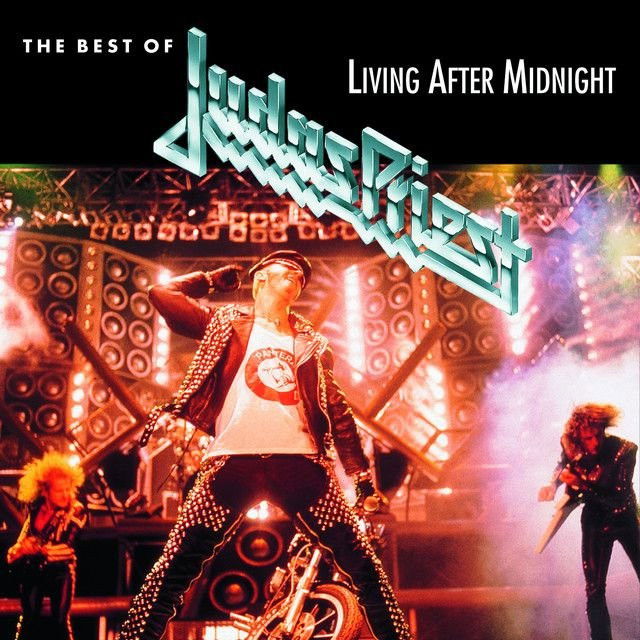
Hot Rockin' by Judas Priest
The meaning of Hot Rockin' Judas Priest comes down to one clear feeling: the need to break out of routine and lose oneself in loud music. This is not a complicated story song. Instead, it captures a basic human urge for release, excitement, and connection through rock and roll.
"Hot Rockin'" - Judas Priest
I wanna go some place where I can scream and shout
Show me the lights, where I can find
Loading lyrics...
Unable to load lyrics
We're unable to display the lyrics at this time. Please try again later.
Released as a single from Point of Entry in 1981, the track arrived during a moment when Judas Priest were testing a more accessible, radio-ready side of their sound. That context matters because the song's meaning is as direct as its hook.
A Song About Escape Through Volume
At its core, the song follows someone worn down by daily effort who wants one thing: a place to blow off steam. Early on, the speaker says they have done their share of work and now want somewhere they can yell, move, and feel alive. When they chase the lights and the noise, the goal is not romance or reflection. It is freedom.
That is why the repeated idea of hot rockin'
matters so much. The phrase is simple, but it stands for more than partying. It suggests a state of total release, where the body, the crowd, and the music all lock together.
Interpretation: The song treats rock music almost like medicine. The speaker is not asking for comfort in a quiet way. They want intensity because intensity is what resets them.
Watch the official Hot Rockin'
music video
The Crowd Is Part of the Meaning
One of the strongest parts of the lyric is how it moves from private need to public energy. The speaker starts with personal frustration, but soon they are looking for a larger scene. They ask where the spark is, where the charge is, and then they hear the crowd roar.
Short phrases like the bright lights
and I hear the roar
show that this is a communal thrill. The song is not about sitting alone with headphones. It is about entering a shared space where sound becomes physical.
That shift helps explain the emotional lift in the lyrics. Once they get close to the action, their body begins to feel lighter, almost airborne. The song describes that sensation in exaggerated, physical terms because hard rock often turns emotion into motion.
How the Chorus Turns Desire Into Drive
The chorus works because it is basically a chant. The repeated I want to go
makes the song feel restless and urgent. They are not calmly choosing entertainment. They are pulled toward it.
This repetition mirrors the way cravings work. The mind latches onto one answer and keeps circling back. By the time the title lands again, the song has turned a casual wish into a full-body demand.
My blood is hotMy pulse is hotso don't try to stop me
This short passage is important because it shows how the song ties music to the body. The energy is not abstract. It is in the blood, the pulse, the nerves.
Sound First, Meaning Close Behind
Musically, "Hot Rockin'" delivers exactly what the words promise. Point of Entry was released on February 27, 1981, and was produced by Tom Allom and Judas Priest. It was recorded at Ibiza Sound in Spain, where the band pursued a louder, more live-feeling approach after the success of British Steel (Wikipedia).
That production choice helps the song's meaning. The guitars from Glenn Tipton and K. K. Downing push forward with bright, punchy riffs rather than dark complexity. Dave Holland's drumming keeps the track moving at a brisk, stomping pace. Rob Halford sings with urgency, but not with the operatic drama heard on some later Priest classics.
The result is a song built for instant impact. It feels like doors opening, lights flashing, and a crowd surging. Even listeners who know little about the band's history can hear that this track is trying to bottle the concert high.
Why the Context of Point of Entry Matters
The meaning of Hot Rockin' Judas Priest becomes even clearer when placed inside the album around it. Point of Entry was Judas Priest's seventh studio album and followed the breakthrough success of British Steel (Wikipedia). The band leaned toward a more radio-friendly hard rock style, and reactions were mixed.
According to the album's remaster notes, the band said the record was shaped by spontaneous writing in Ibiza and felt different from what people expected (Wikipedia). K.K. Downing later said the group felt label pressure to make songs with hit potential, while Ian Hill defended the album as overlooked (Wikipedia).
That tension helps explain "Hot Rockin'." It is catchy, straightforward, and built around a slogan-like hook. But that does not make it empty. In fact, its simplicity is part of its point. It strips rock down to its most basic promise: relief through volume and movement.
A Few Plausible Readings
Interpretation 1: The most direct reading is that the song celebrates live rock culture. The lights, noise, and crowd all point there.
Interpretation 2: It can also be heard as a broader song about chasing any space that lets a person feel free again. In that sense, rock is both literal music and a symbol of release.
Interpretation 3: Some listeners may hear sexual undertones in the heated language. That is possible, but the stronger evidence still points to performance energy and nightlife rather than a romantic plot.
Why the Song Still Connects
Even if it is not one of Judas Priest's most critically praised songs, "Hot Rockin'" lasts because its emotion is easy to recognize. Many people know the feeling of finishing a hard week and wanting one night of noise, speed, and freedom.
That is the real meaning of Hot Rockin' Judas Priest: rock music as a place to recharge the spirit by overloading the senses. It is not subtle. It is not meant to be. It is a three-minute argument for turning stress into motion.
Disclaimer: This interpretation blends lyrical analysis with available historical context. As with any song, meanings can vary from listener to listener.







