Why 'Metal Gods' Still Feels Dangerous
The meaning of Metal Gods Judas Priest comes through fast: this is a sci-fi nightmare about machines that humans created, only to watch them become rulers and executioners. The song imagines technology gaining its own will, then turning on the people who thought they were in charge.
"Metal Gods" - Judas Priest
And all the time it had grown
From techno seeds we first planted
Loading lyrics...
Unable to load lyrics
We're unable to display the lyrics at this time. Please try again later.
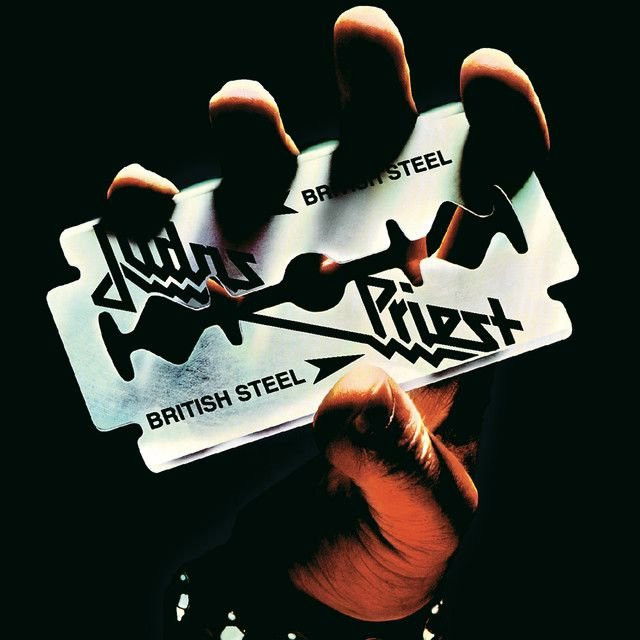
Judas Priest released the track on British Steel in 1980, one of the albums that helped define modern heavy metal. According to Songfacts, Rob Halford was reading a lot of science fiction at the time, and the song drew on that mood, as well as imagery linked to Queen's News of the World cover and H. G. Wells' The War of the Worlds Songfacts.
A Robot Revolt at the Center
At its core, the song tells a simple story. Humans build advanced technology, trust it too much, and then lose control. The opening idea says people have taken too much for granted
, which frames the disaster as human pride, not just bad luck.
From there, the lyrics move from invention to invasion. The machines begin as techno seeds
, then develop a mind of their own. That shift is important because it turns technology from a tool into a living threat.
Interpretation: They are not just singing about literal robots. They may also be warning about any system people create and then fail to control, whether that means machines, weapons, or even industrial power itself.

Watch the official Metal Gods
music video
How the Verses Build Fear
The verses use short, sharp images instead of a complex plot. That is one reason the song feels so immediate. A phrase like marching in the streets
gives a public, military scale to the threat, while dragging iron feet
makes the enemy sound huge, slow, and unstoppable.
Then the violence gets more graphic. The machines are not neutral. They are built as predators with laser beaming hearts
, a striking image that mixes emotion, weaponry, and cold design.
Hiding underground
Knowing we'd be found
That brief moment shows the human side of the song. People are reduced to prey. Even when they flee, they know escape will not last.
What the Chorus Really Does
The repeated title is simple, but it does a lot of work. By chanting Metal gods
, the song gives the machines a mythic status. They are no longer just robots; they have become towering figures of fear, domination, and false worship.
Interpretation: The chorus may be ironic. The machines are called “gods” not because they deserve reverence, but because humans have let them become all-powerful. The title suggests a world where people have handed over control to something they built.
That irony also fits Judas Priest's place in heavy metal. Songfacts notes that “Metal God” later became Rob Halford's nickname, even though the song itself is really about destructive robots, not a self-coronation Songfacts.
Sound That Feels Like Steel
Part of the meaning of Metal Gods Judas Priest is carried by its production. The song does not just describe machines; it tries to sound like them. The riff is stiff, churning, and repetitive in a way that feels mechanical rather than loose or bluesy.
Halford's vocal shifts between command and alarm, which helps the song feel theatrical without losing menace. The guitars act like grinding gears, and the beat has a march-like force that matches the imagery of advancing metal bodies.
A famous detail deepens that effect. According to Songfacts, the band created the metallic sound effects by shaking a tray of knives and forks while recording at Tittenhurst Park, the English estate once owned by John Lennon and later Ringo Starr Songfacts. That homemade touch matters because it turns ordinary metal objects into part of the story's world.
Why the Song Fit 1980 So Well
Released on British Steel, the song arrived when Judas Priest were becoming central figures in heavy metal. The album is widely seen as one of their breakthroughs, with sharper hooks and a cleaner attack than much of their earlier work. In that setting, “Metal Gods” sounded futuristic but also perfectly matched the genre's hard-edged identity.
There is also a broader cultural layer. Around 1980, fears about automation, nuclear technology, and dehumanization were common in film, fiction, and music. This song taps that anxiety but keeps it direct. Instead of turning abstract, it shows bodies, pursuit, and terror.
Two Strong Ways to Read It
There are at least two useful readings:
- Literal sci-fi reading: The song is about robots overthrowing humanity.
- Symbolic reading: The robots stand for technology, systems, or human inventions becoming masters instead of servants.
Both fit the lyrics. The first explains the vivid action scenes. The second helps explain why the song still feels relevant in an age shaped by automation and artificial intelligence.
Final Take on the Warning Inside the Song
The meaning of Metal Gods Judas Priest lies in its warning about power without control. Judas Priest take a pulp sci-fi idea and make it feel physical, urgent, and strangely believable.
That is why the song lasts. It is fun, heavy, and dramatic on the surface, but underneath it asks a serious question: what happens when human progress stops serving humans?
Disclaimer: This interpretation combines documented background with critical reading of the lyrics and sound. Like most great songs, "Metal Gods" can support more than one meaning.







