Why Judas Priest Made Vengeance Sound Like Survival
The meaning of Screaming for Vengeance Judas Priest comes down to one big idea: people can be pushed only so far before fear turns into resistance. On the surface, the song sounds like pure attack mode. But under that metal fury, it is really about control, humiliation, mental pressure, and the moment someone decides not to stay trapped.
"Screaming for Vengeance" - Judas Priest
Hey, listen don't you let 'em get your mind
Fill your brain with orders and that's not right
Loading lyrics...
Unable to load lyrics
We're unable to display the lyrics at this time. Please try again later.
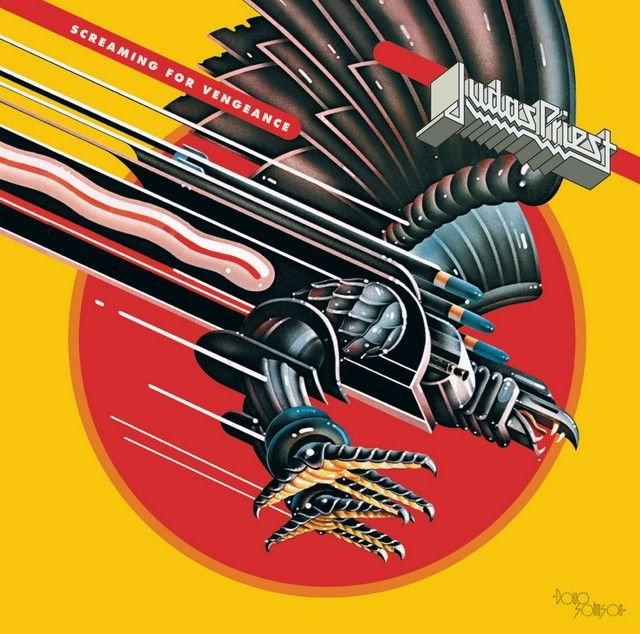
Judas Priest released "Screaming for Vengeance" on their 1982 album of the same name, a record widely seen as one of their major breakthroughs in the U.S. and one of heavy metal's defining releases. The album was produced by Tom Allom and became the band's top-selling album in the United States, reaching 2× platinum status. Those facts help frame the song: it arrived when Judas Priest were sharpening a harder, more aggressive sound while also reaching a bigger audience.
A World Built on Fear and Pressure
The verses describe a system that tries to control people from the inside out. Early lines warn against letting others shape the mind and fill it with commands. In plain terms, the song says oppression starts before any physical blow. It begins with manipulation, intimidation, and the slow creation of fear.
That is why phrases like ruled by fear
matter so much. They point to a world where power works by making people obey, not because they agree, but because they feel cornered. The song's anger is not random. It grows out of repeated pressure, false promises, and the feeling that the game is fixed.
Interpretation: They may be singing about political control, but the lyrics also fit personal experiences like emotional abuse, workplace domination, or any system that breaks people down mentally. The song stays broad enough that listeners can place their own battles inside it.
Watch the official Screaming for Vengeance
music video
The Chorus Turns Anger Into a Rallying Cry
When the chorus hits, the message gets larger. The repeated title phrase is not just one person's complaint. It sounds communal, almost like a crowd shouting back at the forces that have trapped them. The line manacled place
presents the world as chained and restricted, while defiled in disgrace
suggests corruption has spread everywhere.
This is the emotional key to the song. The chorus transforms pain into action. Instead of quietly suffering, the speaker joins a louder force. That shift is why the track feels so explosive: it is built around release.
Screaming, screaming for vengeance
The world is a manacled place
Even in this short refrain, the song links rage with captivity. The vengeance is not just blind violence. It is a response to being bound, silenced, and degraded.
Images of Torture, Panic, and Breakdown
The middle part of the lyric intensifies the feeling of entrapment. Blindfolds, being spun around, shoved into corners, and pushed toward a final test all create a scene of disorientation and terror. The song uses extreme imagery to make inner distress feel physical.
The line about a straight jacket
is especially important. It suggests confinement, but also the way institutions label resistance as madness. In other words, the song may be saying that when people reject control, the system tries to make them seem unstable.
Another key phrase is mental load
. That small detail keeps the song from being only about action-movie revenge. It reminds listeners that the real battle begins in the mind and body: panic, stress, exhaustion, and the fear of breaking.
How the Sound Carries the Meaning
Musically, Judas Priest make the song feel like a sprint through danger. The guitars from Glenn Tipton and K. K. Downing attack in tight, cutting patterns, while Dave Holland's drumming drives the track forward without much breathing room. Rob Halford's vocal performance is crucial too. He does not sound reflective or distant. He sounds like he is forcing the words through clenched teeth and then launching them into the air.
That production choice matters. On the 1982 album, Judas Priest were returning to a heavier edge after the more streamlined approach of earlier records. "Screaming for Vengeance" benefits from that balance: it is precise enough to be catchy, but hard enough to feel dangerous. The music mirrors the lyric's core idea of pressure becoming force.
Artist Context Makes the Song Hit Harder
The song sits on Screaming for Vengeance, Judas Priest's eighth studio album, released in July 1982. The record became a landmark for the band, especially in North America, and is often praised for balancing accessibility with full metal intensity. That context matters because this track represents Judas Priest at a moment when they sounded focused, sharpened, and fully confident.
It also helps explain why the title track feels so concentrated. While the album includes radio-ready moments, this song is one of its fiercest statements. It reminds listeners that beneath the hooks and polish, Judas Priest were still committed to themes of power, danger, and rebellion.
Two Strong Ways to Read It
There are at least two persuasive readings of the song:
- Social reading: It is about living under systems of fear, propaganda, and punishment.
- Personal reading: It is about surviving manipulation, humiliation, and psychological torment.
Both fit the lyric. The song never locks itself into one story, which is part of why it lasts. They make the emotions vivid enough to feel personal, but broad enough to feel universal.
The Lasting Meaning of Screaming for Vengeance
So, what is the meaning of Screaming for Vengeance Judas Priest? It is the sound of someone refusing to stay broken. The song imagines a world that chains, shames, and pressures people, then answers that world with a roar.
That is why it still works. They are not glorifying cruelty for its own sake. They are dramatizing the moment when fear stops working and defiance begins.
Disclaimer: This interpretation is based on the lyrics, the song's musical presentation, and documented album context. Like most great metal songs, it can support more than one valid reading.







