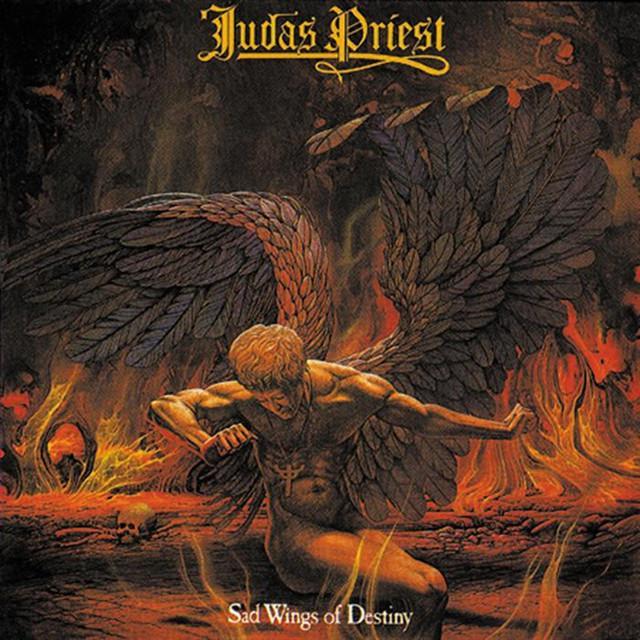
The Meaning of The Ripper Judas Priest
The meaning of The Ripper Judas Priest starts with a simple but chilling idea: they turn a famous Victorian killer into the voice of a heavy metal ghost story. Rather than telling a moral lesson or a detective tale, the song puts listeners inside the predator’s point of view. That choice makes the track feel dangerous, theatrical, and unforgettable.
"The Ripper" - Judas Priest
You're in for a shock (ah)
In London town streets
Loading lyrics...
Unable to load lyrics
We're unable to display the lyrics at this time. Please try again later.
Judas Priest released “The Ripper” on Sad Wings of Destiny in 1976, and Songfacts notes that Glenn Tipton wrote it as an early Judas Priest track told from the perspective of Jack the Ripper. The same source also points out how the band’s early sound already featured the strong twin-guitar approach of Tipton and K.K. Downing. Those facts matter because the song’s meaning is not just in the words; it is also in the attack of the music.
A Killer’s Voice, Not a Hero’s Story
At the heart of the song, they present a narrator who enjoys power through fear. The opening warning sets the tone with in for a shock
, a phrase that tells listeners they are entering a dark scene. The song quickly moves into London streets, fog, and shadows, creating a setting that feels old, cold, and unsafe.
Interpretation: the narrator is less a realistic person than a symbol of terror. They are written as a lurking force who appears when people feel most vulnerable. By speaking in first person within the lyrics, the song makes fear feel close and personal, even though the article’s analysis sees that voice as a dramatic mask.
This is why the repeated warning matters so much. When the chorus says never turn your back
, it is not just advice inside the story. It becomes the song’s main idea: danger often arrives from places people ignore.
Watch the official The Ripper
music video
Why the Jack the Ripper Image Fits So Well
The lyrics lean on famous pieces of Jack the Ripper mythology: London fog, alleyways, gas lamps, and an unnamed nighttime attacker. Songfacts identifies the subject plainly as Jack the Ripper, the never-caught killer whose legend has lasted for generations. Judas Priest use that history because the figure already carries mystery, urban fear, and cultural memory.
The song does not focus on real victims or historical detail. Instead, it uses the legend as a horror frame. Phrases like darkness and fog
and devil in disguise
turn the killer into something almost supernatural. That matters because it shifts the song away from crime reporting and toward gothic theater.
A Short Narrative Map
The story unfolds in a clear sequence:
- The narrator announces danger.
- They move silently through the city.
- They warn that they strike when least expected.
- The chorus names the threat: the Ripper.
- The final verses widen the fear to any alley or footstep at night.
That structure helps explain why the song feels so vivid. It is short, but it escalates fast.
How the Chorus Turns Fear Into Myth
The hook is simple, repetitive, and effective. By repeating the title and the warning, Judas Priest make the killer feel larger than one person. He becomes a legend moving through the city’s imagination.
Interpretation: this is a song about paranoia as much as murder. The real target may be the listener’s nerves. Once the chorus lands, every sound in the verses starts to feel suspicious. Even a simple image like footstep at night
becomes enough to trigger panic.
That is one reason the song still works. It knows that fear grows when the threat is only partly seen.
The Sound Makes the Lyrics Hit Harder
“The Ripper” works because the music behaves like a stalking presence too. Early Judas Priest were already building the sharp, aggressive twin-guitar sound that would help define metal, as noted by Songfacts in its summary of Tipton and Downing’s interplay. In this track, the guitars do not feel warm or loose. They feel pointed.
Rob Halford’s vocal performance adds another layer. They deliver the lines with theatrical control, shifting from warning to menace. The voice does not sound emotional in a soft way; it sounds performed, almost like a stage villain stepping into a spotlight.
The rhythm section keeps things moving with urgency, which prevents the gothic imagery from becoming slow or dreamy. Instead, the song feels like pursuit. That energy is key to the meaning of The Ripper Judas Priest: fear here is active, not distant.
What the Song Says About Early Judas Priest
This track also reveals an important side of Judas Priest’s early identity. Before their leather-and-studs image became iconic, they were already experimenting with drama, character, and dark storytelling. Songfacts notes that this came before the band’s signature visual era fully formed, which makes “The Ripper” feel like a blueprint for their theatrical instincts.
It also explains why the song has endured even though rights issues around the first two albums affected how often original versions appeared on later greatest-hits packages, according to Songfacts. Fans kept it alive because the song captures something essential about the band: precision, menace, and showmanship.
Final Reading: Horror as Performance
The best way to read the song is as a compact metal thriller. It is not asking listeners to admire the killer. It is using a notorious figure to explore dread, suspense, and the thrill of being scared by a song.
In that sense, nasty surprise
sums up the whole approach. The lyrics, vocals, and guitars all work together to create a controlled shock.
Disclaimer: This interpretation is based on the lyrics, known song history, and musical context. Like all art, listeners may hear different meanings in “The Ripper.”







