Why "Over the Rainbow" Still Feels Like Hope
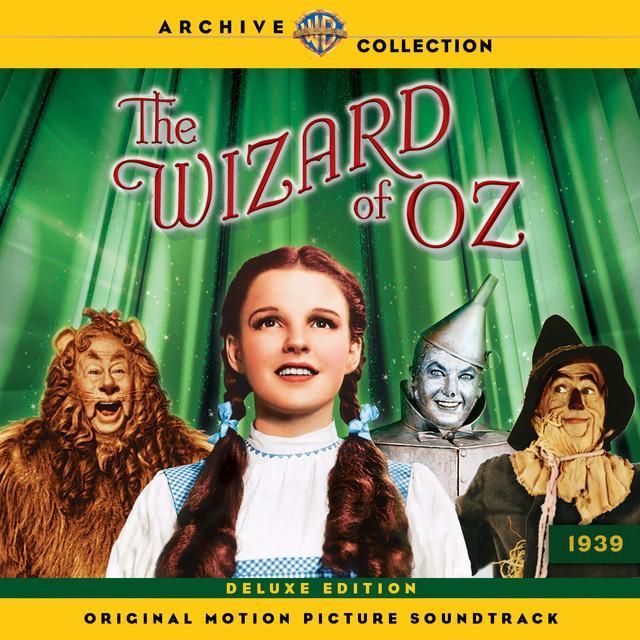
The meaning of Over The Rainbow Judy Garland starts with a simple wish: life could be kinder, safer, and more beautiful than it feels right now. Sung by Judy Garland in The Wizard of Oz (1939), the song gives Dorothy a voice for longing before the story fully begins. Factually, it was written by Harold Arlen and Yip Harburg for the film, and it went on to become one of the best-known songs in American popular culture, as noted by the Library of Congress and the Academy Museum.
"Over The Rainbow" - Judy Garland
There's a land that I heard of once in a lullaby
Somewhere over the rainbow, skies are blue
Loading lyrics...
Unable to load lyrics
We're unable to display the lyrics at this time. Please try again later.
More than a fantasy tune, it is a song about emotional escape. It imagines a place where pain fades and possibility returns. That is why it still speaks to listeners far beyond the movie.
A Dream Song Built on Distance
At the center of the song is a gap between the world as it is and the world as they wish it could be. The opening image, somewhere over the rainbow
, is not a map location. It is an idea. It suggests that hope exists, but it also feels far away.
The next images deepen that feeling. A place with skies are blue
and dreams that come true is not described in detail because the point is emotional, not physical. The singer is not offering a travel plan. They are picturing relief.
Interpretation: This is why the song feels universal. Almost anyone can hear those lines and fill in their own version of what peace would look like.
Watch the official Over The Rainbow
music video
Dorothy’s Voice, but Bigger Than Dorothy
In the film, the song appears before Dorothy leaves Kansas. That context matters. She is not yet in Oz, and her ordinary life feels limiting. The song frames her desire for change before the adventure begins.
Still, the performance reaches beyond the character. Garland sings with a careful mix of innocence and ache. When the lyric moves toward wish upon a star
, it sounds childlike on the surface, but the feeling underneath is more serious. They are not only daydreaming. They are trying to believe that hardship can pass.
The Turn From Wonder to Hurt
The most revealing moment comes when the song shifts from imagining to questioning. The image of birds in flight leads to why can’t I?
That question is small in wording but huge in meaning.
It turns the song from a sweet fantasy into a human complaint. If freedom and happiness seem possible in nature, why do they feel unreachable for the singer? That contrast gives the song its sting.
How the Imagery Carries the Meaning
The lyrics use simple objects, but each one points to a larger feeling:
- Rainbow: a symbol of beauty, promise, and distance
- Bluebirds: easy freedom and natural movement
- Stars: faith in something beyond the present moment
- Clouds far behind: leaving stress and fear behind
One of the song’s smartest details is how gentle the imagery stays. Even trouble is described softly, as troubles melt like lemon drops
. That sweetness does not erase pain. Instead, it shows how badly the singer wants pain transformed into something harmless.
Interpretation: The song is not denying reality. It is trying to imagine a version of life where reality loses its power to wound.
Why the Melody and Arrangement Matter
Part of the meaning of Over The Rainbow Judy Garland comes from sound, not just words. Harold Arlen’s melody famously opens with a leap, which many listeners hear as the musical shape of reaching for something beyond reach. That jump makes the desire feel immediate.
The arrangement in The Wizard of Oz stays restrained. The tempo is slow, the orchestration is soft, and Garland’s voice stays clear and exposed. Because the production is not crowded, every phrase feels intimate.
That simplicity is important. A bigger or flashier arrangement might have made the song feel triumphant too soon. Instead, it stays fragile. The singer sounds as if they are holding hope carefully, afraid it might break.
A Performance That Balances Youth and Depth
Garland’s vocal is a major reason the song lasts. She does not overplay it. There is control in the phrasing, but also vulnerability.
That balance keeps the song from becoming overly sentimental. They sound young enough to believe in wonder and weary enough to need it. That emotional mix is the heart of the performance.
Two Strong Readings of the Song
There is a clear literal reading and a broader emotional one.
- Film reading: Dorothy wants escape from a frustrating home life and dreams of a better place.
- Broader reading: The song speaks for anyone longing for safety, dignity, or emotional relief.
Both readings work because the language stays open. It never names one exact problem. That allows listeners to bring their own struggles to it.
Somewhere over the rainbow
bluebirds fly
Why, then, oh, why can't I?
This brief passage captures the whole emotional argument: beauty exists, freedom exists, and the pain comes from feeling separated from both.
Why It Endures Across Generations
The song remains powerful because it gives hope without pretending hope is easy. It does not say everything is already fine. It says the singer needs another horizon to believe in.
That is also why it has been used in many different eras and settings. Listeners hear comfort in it during hardship, but they also hear yearning. The song offers uplift, yet it never fully leaves sadness behind.
Final Thought
In the end, the meaning of Over The Rainbow Judy Garland is about longing for a world that feels kinder than the one in front of them. Its dream images, aching question, and tender performance turn a movie song into something much larger: a quiet anthem for hope.
Disclaimer: This interpretation combines established context about The Wizard of Oz with close reading of the lyrics and performance. As with any classic song, individual meanings may vary.







