Why 'Sous le ciel de Paris' Still Sings
For many listeners in the United States, the meaning of Sous le ciel de Paris Juliette Gréco starts with atmosphere. The song sounds like a walk through the city, but its message is deeper than simple travel romance. In Gréco’s hands, Paris becomes a shared emotional space where love, memory, hardship, beauty, and everyday life all meet under one sky.
"Sous le ciel de Paris" - Juliette Gréco
S'envole une chanson
Hum Hum
Loading lyrics...
Unable to load lyrics
We're unable to display the lyrics at this time. Please try again later.
The song was written by Jean Dréjac and Hubert Giraud, and it is widely linked to the 1951 film of the same name and to the larger French chanson tradition. Gréco did not write it, but her interpretation helped carry its poetic mood to new audiences through the style that made her one of the defining voices of postwar Parisian song.
More Than a Postcard of Paris
At its core, the song presents Paris as alive. The city is not just streets and landmarks. It breathes through the people under it: lovers, musicians, passersby, philosophers, drifters, and dreamers. Early images like une chanson
and marchent des amoureux
suggest that music and romance rise naturally from daily life.
That matters because the song never treats love as private only. Instead, love feels public, woven into bridges, sidewalks, and riverbanks. Paris becomes a place where emotion is shared. Even when the lyrics focus on one couple or one scene, the larger city keeps holding them.

Watch the official Sous le ciel de Paris
music video
A City Where Joy and Trouble Coexist
One reason the song lasts is that it does not pretend Paris is perfect. It includes beauty, but also struggle. The lyrics move from happy lovers to a seated philosopher, street musicians, and then to les clochards et les gueux
. In plain terms, the song notices people at society’s edges as part of the same city picture.
That choice gives the song moral warmth. It says a city is made not only by monuments, but by everyone under its sky. There is even a hint of danger near Notre-Dame, where drama may be brewing. Yet the song quickly turns toward resilience, suggesting that in Paris, things can still be repaired.
Interpretation: This balance is central to the meaning. The song loves Paris honestly, not blindly. It sees sorrow and keeps singing anyway.
The Sky as the Real Main Character
The title points to the song’s key symbol: the sky itself. Again and again, the lyrics return to le ciel de Paris
as a witness, shelter, and emotional mirror. The sky is almost personified. It seems to feel affection for the city, especially for the Île Saint-Louis, and it responds with sunlight, rain, thunder, or even a rainbow.
This is where the writing becomes especially charming. Weather is not just weather. Rain means sadness. Thunder suggests jealousy. The rainbow acts like an apology. The sky behaves like a lover, which turns the whole city into a romance.
Quand il pleut sur Paris
C'est qu'il est malheureux
That brief moment captures the song’s emotional method. It takes a normal event and gives it feeling. Paris is not only seen; it is felt.
Why Juliette Gréco Fits the Song So Well
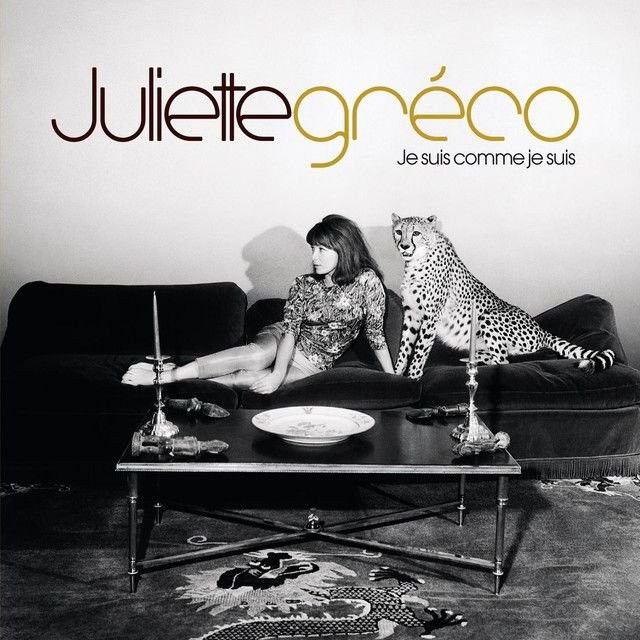
Gréco’s image and voice matter to the song’s reception. She became a symbol of Left Bank culture, known for serious, literary chanson and for bringing intelligence and cool restraint to performance. That persona suits a lyric that mixes romance with observation.
Rather than oversinging, they deliver this kind of song with poise. That makes the city feel intimate instead of oversized. Listeners are not pushed toward grand emotion; they are invited into it. In Gréco’s version, Paris sounds less like a tourist fantasy and more like a place where people actually live, ache, flirt, and endure.
How the Music Carries the Meaning
The arrangement supports the lyrics’ gentle sweep. This song is often performed with orchestral warmth and French popular touches that evoke accordion-led street music, even when the full arrangement is richer than a café stereotype. The melody flows easily, helping the scenes connect like one long stroll.
That musical softness is important. It keeps the song from becoming too heavy when it mentions poverty or sadness. Instead, the tune holds everything together. It suggests continuity: the river keeps moving, the people keep gathering, and the city keeps singing.
Interpretation: The sound turns separate images into a civic hymn. Not a national anthem, but a neighborhood one.
A Love Song to Place, Not Just People
Many famous songs are about one beloved person. This one spreads affection outward. The lovers matter, but so do bridges, bells, birds, crowds, and the river. Even coule un fleuve joyeux
makes geography feel emotional.
That is why the song still connects with listeners who do not speak fluent French. Its idea is universal: sometimes a city holds a person’s memories so deeply that the place begins to feel alive. Paris stands in for any beloved home, but the details keep it specifically Parisian.
Final Take on the Meaning
The meaning of Sous le ciel de Paris Juliette Gréco is that a city can act like a living chorus for human life. Under one sky, love, loneliness, beauty, art, hardship, and hope all belong to the same story. Paris is romantic here, but also social, fragile, and forgiving.
That mix is what gives the song staying power. It does not simply praise Paris. It imagines the city as a feeling that changes with the people beneath it.
Disclaimer: This interpretation separates widely accepted factual context from critical reading. As with all chanson, meaning can shift depending on performance, translation, and the listener’s own connection to the song.







