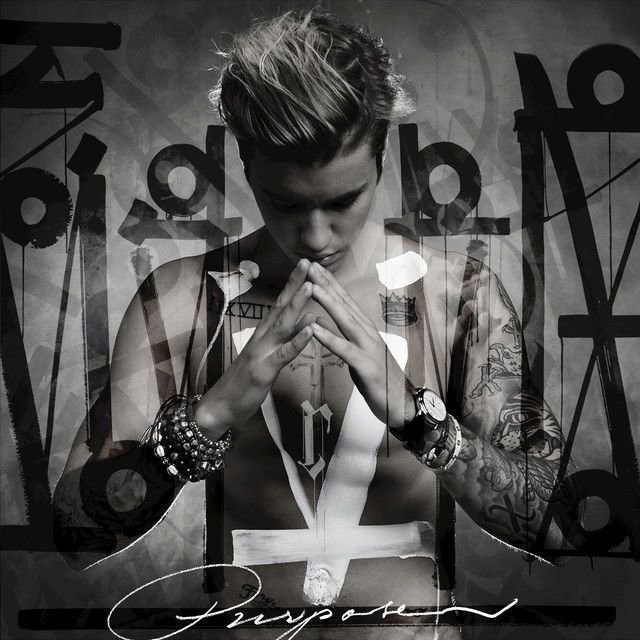
Purpose by Justin Bieber
Justin Bieber’s "Purpose" is one of the clearest windows into the meaning of Purpose Justin Bieber fans still search for today. It is not built like a big pop single. Instead, it slows everything down and asks a harder question: what happens after fame, mistakes, and public pressure leave someone feeling empty?
"Purpose" - Justin Bieber
Feeling like I'm walking my last steps
Look at all of these tears I've wept
Loading lyrics...
Unable to load lyrics
We're unable to display the lyrics at this time. Please try again later.
On the surface, the song sounds like a thank-you. Underneath, it feels like a confession, a prayer, and a reset all at once. Released as the title track on Bieber’s fourth studio album, Purpose, in 2015, it arrived during a major image shift in his career, when he was openly talking about growth, faith, and finding direction again.
The Heart of the Song: From Collapse to Calling
At its core, "Purpose" is about a person who feels spiritually exhausted and then finds meaning through surrender. Early lines describe someone near their limit, using phrases like breathing my last breath
and walking my last steps
. Those are not just dramatic images. They frame the song as a moment of crisis.
The speaker looks back at pain, loyalty, and brokenness, then turns outward to someone they trust completely. When the chorus lands on you give me purpose
, the song finally names what has been missing. Purpose, in this song, is not fame or romance. It is a reason to keep going.
Interpretation: The most convincing reading is that the “you” is God. The language of forgiveness, inner peace, and surrender points strongly that way. Bieber also supported that reading in interviews around the album, saying he named Purpose because he felt he had lost his purpose and found it again, and that faith helped get him there.

Watch the official Purpose
music video
Why Faith Matters So Much Here
This song makes the most sense when placed in Bieber’s 2015 comeback narrative. According to Songfacts, Bieber told BBC Radio 1’s Nick Grimshaw that he had felt disconnected from his purpose and wanted the album to say there is “always room” to find it again. In a Complex interview cited by Songfacts, he also spoke openly about loving Jesus and wanting to share his journey.
That context matters because "Purpose" does not hide its spiritual language. The song asks for forgiveness, seeks peace, and treats purpose as something given rather than achieved. Even the album artwork leaned into Christian imagery, with prayer-like posture and cross symbolism discussed in reporting on the era, including the album’s overview on Wikipedia.
The Chorus Turns Pain Into Meaning
The chorus is simple, but that simplicity is the point. After verses full of tears, endings, and regret, the repeated idea of purpose changes the whole emotional frame. The song says pain does not disappear; it gets reorganized.
That is why the phrase my everything
matters. It expands the song beyond a temporary comfort. The speaker is not thanking someone for one rescue. They are saying this connection now defines their life.
Interpretation: Listeners who do not hear it as strictly religious may still read it as a song about unconditional support. In that version, the addressee could be a loved one, mentor, or even a recovered sense of self. Still, the prayer language makes the spiritual reading stronger.
The Spoken Outro Is the Real Confession
The most revealing part of "Purpose" may be the spoken outro. Instead of polished singing, Bieber talks through weakness, guilt, and self-forgiveness. He says people are not always put in the best position to make the best decisions, and he stresses the need to keep trying.
Give it all you got
Sometimes I'm weak
I'm not givin' myself grace
This short passage captures the song’s emotional center. It is not about claiming moral victory. It is about learning how to live with failure without being defined by it.
That is also why the outro feels so human. It sounds unfinished, almost like someone talking themselves into mercy. For a star often criticized in public, that choice makes the track feel unusually vulnerable.
How the Music Supports the Message
"Purpose" stands out on an album famous for sleek pop, EDM, and tropical-house production. Purpose as a whole blended dance-pop, R&B, EDM, and acoustic elements, as widely noted in album coverage and summaries such as Wikipedia’s album entry. But this title track strips things back.
The arrangement is piano-led and slow, with lots of open space. That matters. Instead of using rhythm to distract, the song uses silence and softness to spotlight the words. Bieber’s vocal delivery is restrained, almost fragile, which helps the message land as a confession instead of a performance.
Songfacts also notes that the track was co-produced by Jason “Poo Bear” Boyd and Steve James. That pairing fits the song well: Poo Bear helped shape the album’s emotionally direct writing, while the production here stays minimal enough to let the spiritual theme breathe.
Why the Song Meant So Much in 2015
The meaning of Purpose Justin Bieber also depends on timing. Purpose was released on November 13, 2015, and became a huge commercial success, with major streaming numbers and a No. 1 debut in the United States, as reported by Songfacts and album data sources like Wikipedia.
But the album’s impact was not only commercial. Critics often framed it as a fresh start. The title track gave that storyline its clearest statement: a person can mess up, lose direction, and still be pulled back toward meaning.
What "Purpose" Ultimately Says
"Purpose" is about hitting a wall and discovering that grace can exist on the other side of it. It links exhaustion, confession, faith, and healing into one message: life feels bearable again when it has direction.
That is why the song still resonates. It does not promise perfection. It promises that broken people can still find a reason to move forward.
Disclaimer: Song meaning is interpretive. This article distinguishes documented context from informed interpretation, and other listeners may hear the song differently.








