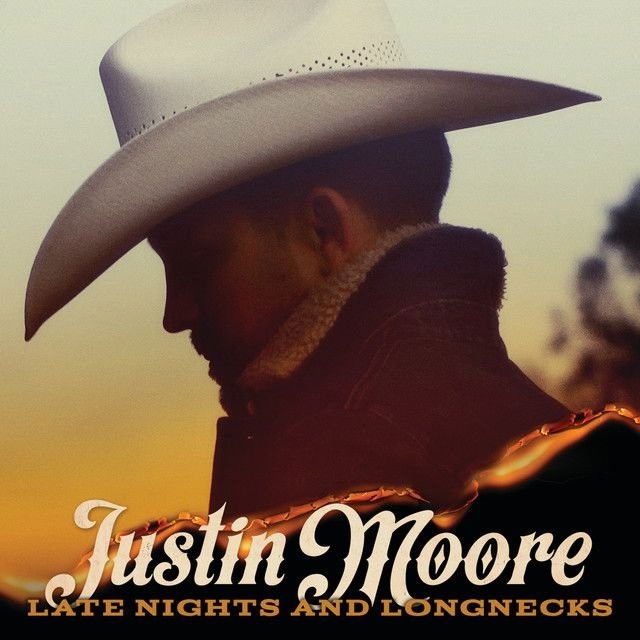
Why ‘Someday I Gotta Quit’ Hits So Hard
The meaning of Someday I Gotta Quit Justin Moore comes down to a simple but painful truth: they know what is hurting them, yet they are still living inside those habits. This is not a victory song about finally cleaning up. It is a confession song about delay, weakness, and self-awareness.
"Someday I Gotta Quit" - Justin Moore
Loading lyrics...
Unable to load lyrics
We're unable to display the lyrics at this time. Please try again later.
Justin Moore has built much of their appeal on plainspoken country storytelling, and this track uses that strength well. Written by Casey Michael Beathard, Jeremy Stover, Justin C. Moore, and Paul DiGiovanni, the song turns everyday details into a wider portrait of a person stuck between honesty and change.
A country confession, not a clean redemption story
At the center of the song is a narrator who sees the pattern clearly. They wake up regretting whiskey, lean on nicotine, struggle to stay present in church, and carry old anger they should have let go. In each case, they admit the problem before they admit any solution.
That is why the title phrase matters so much. When they say someday I gotta quit
, it sounds serious, but it also sounds postponed. The word “someday” keeps the promise just out of reach.
Interpretation: the song is about addiction, but not only addiction. It also captures procrastination of the soul. They are not only delaying a drink or a cigarette; they are delaying maturity, healing, and forgiveness.

Watch the official Someday I Gotta Quit
music video
How the verses build one larger pattern
Each verse names a different area of life, but all of them point to the same behavior: they know better and still repeat the damage.
In the opening, they wake up angry at alcohol. The phrase cussing Jack Daniels
gives the whiskey a personality, almost like an enemy they keep inviting back. That image matters because it shows both blame and complicity.
Then the song moves to church. They try to do the right thing by showing up, but still cannot make it through the sermon without reaching for something to calm themselves. That contrast between guilt and habit is sharp. Even in a place meant for peace, they are restless.
Later, the song turns toward family. The verse about the father figure, described as waiting around, adds emotional depth. The grudge has lasted so long that carrying it now feels exhausting. The line about it getting heavy shows that resentment can become its own addiction.
Finally, the closing verse circles back to smoke, drink, and heartbreak. Missing the woman who may have started the spiral suggests that loss helped create the lifestyle, but it no longer controls only one part of life. By then, the pain has spread everywhere.
The chorus names the habits — and the self-sabotage
The chorus is where the song becomes broader than a barstool lament. It lists whiskey and the nicotine
, then adds wrong girls in the right jeans
. That third image is important because it shows the problem is not just chemical dependence. It is also attraction to what feels good in the moment and goes bad later.
The strongest image may be the one about the fires they keep lit. In plain terms, they are not only burned by life. They help start the burn.
Oh it ain't never gonna happen some say
But somehow someway someday i gotta quit
Those lines frame the song’s tension. Other people may have stopped believing in them, but they have not fully stopped believing in themselves.
Interpretation: the chorus works because it balances shame with a thin thread of hope. They sound weak, but not totally defeated.
Why the sound supports the meaning
Even without needing complex production tricks, the song’s likely country setup helps sell the story. Moore often works in a traditional-modern country lane, where guitar, steady drums, and a clear vocal sit front and center. That kind of arrangement keeps attention on the words rather than hiding them behind polish.
This song benefits from that approach. The blunt language needs room. A warm, mid-tempo groove would fit the emotional mix here: not wild enough for partying, not soft enough for full repentance. It lives in the middle, just like the narrator does.
The vocal delivery matters too. A song like this works best when sung with grit instead of drama. If they sound too broken, the song turns tragic. If they sound too casual, the regret disappears. The sweet spot is weary honesty.
Artist context makes the message feel believable
Justin Moore is known for recording songs that speak in direct, small-town language, often centered on Southern life, faith, family, and hard living. That context helps explain why this song feels grounded rather than theatrical. It uses familiar country images — church, whiskey, cigarettes, old grudges — to talk about moral conflict in a very American way.
The writing credits also matter. Casey Beathard and Jeremy Stover have long histories in country songwriting, while Paul DiGiovanni has worked across country and rock-leaning production spaces. That mix often produces songs that are radio-friendly but still emotionally blunt.
So what is the song really saying?
The best reading is that the song is about knowing change is necessary before being ready to make it real. The narrator is not clueless. They are painfully aware. That awareness is what gives the track its sting.
The meaning of Someday I Gotta Quit Justin Moore is not that quitting is easy or even imminent. It is that admitting the truth is the first hard step, and this song lives inside that step. They can name the bottle, the smoke, the grudge, and the heartbreak. What they still cannot do is leave them behind today.
That honesty is why the song lands. Many songs promise redemption. This one settles for recognition — and sometimes that feels even more human.
Disclaimer: This interpretation is based on the lyrics provided and publicly known songwriting context. Meaning can remain subjective, and different listeners may hear the song differently.








