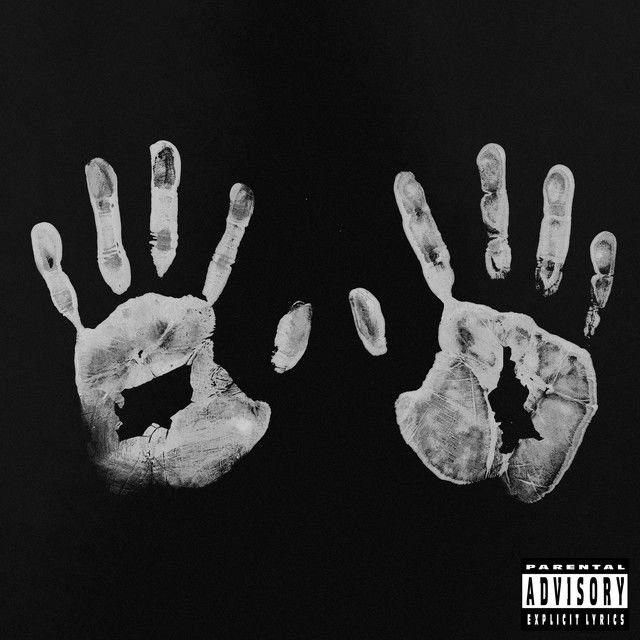
Why 'TRIPLE THREAT' Hits Hard—Headie One, K-Trap, Clavish
They come in as a unit, but each voice brings a different edge. The meaning of TRIPLE THREAT Headie One, K-Trap, Clavish is simple on the surface—domination—but complicated underneath. It’s a three-pronged claim: they can win in the booth, on the road, and in the bank, all while navigating pressure from rivals and police.
"TRIPLE THREAT" - Headie One, K-Trap, Clavish
(Ghosty)
(Likkle Dotz)
Loading lyrics...
Unable to load lyrics
We're unable to display the lyrics at this time. Please try again later.
Three voices, one claim of dominance
This is first-person drill storytelling. Headie One is matter-of-fact and stoic, K‑Trap is cool under fire, and Clavish is clinical with detail. Together they frame the title as a competitive stance: three artists, three angles, one threat.
They open with tension—why am I stressing
—then keep toggling between studio milestones and street logistics. The point isn’t confusion; it’s dual capacity. They can chart, and they can still move in dangerous spaces if pushed.
What the track is really saying
Interpretation: The song argues that success hasn’t diluted credibility. Flexes like Rolls Royce Dawn
function as receipts, but the darker bars insist the road won’t let them fully exit. When a line like feds still want me
lands, it undercuts the glamour with surveillance and consequences.
That push-pull appears again in the quiet life lesson health is wealth
. It’s not a retreat; it’s strategy. They’re optimizing risk so the wins—money, freedom, legacy—last.
Who’s being addressed—and why it matters
They speak to multiple audiences at once:
- Rivals, as warnings and boundary-setting.
- Fans, promising output—
fans want me providing bangers
—even while choosing when to apply pressure. - Authorities, rejecting control, from prison food to marked cars.
Interpretation: The “triple threat” isn’t only three rappers; it’s three pressures—street, industry, state—met with three answers—skill, resources, and nerve.
A quick timeline of power moves
- Planning: Addresses and logistics surface early, suggesting method over impulse.
- Studio proof: Platinum talk and booth confessions place them in the elite.
- Public flex: Cars, jewels, and retailers make status visible without apology.
- Flashpoints: Confrontations erupt, then de-escalate with exits and swaps of cars.
- Aftermath math: They count costs and gains, returning to the rulebook: stay free, stay rich, stay feared.
Each beat circles the same question: how do you scale up without losing the edge that made you?
Symbols and street codes, decoded
- Cars (GLE, Cullinan, Rolls): Mobility and escape routes as much as luxury. They’re tools and trophies.
- Jewelry and lights: “Karats” compared to department-store displays turn wealth into spectacle—and deterrent.
- Cash notes: Plastic bills fold, signaling liquidity. Money moves fast and quiet.
- Tools and metaphors: Brooms, barrels, and named blades translate violence into everyday objects. That mundanity is the point—it’s habitual, not theatrical.
- No-go zones:
don't wanna go down there
paints territory as controlled space; entry has a price.
Interpretation: The imagery stacks into a codebook. If you understand the references, you grasp status and risk without plain speech.
How the sound carries the message
M1onTheBeat, Ghosty, and Likkle Dotz tag the track up top, signaling classic UK drill sonics: minor-key melodies, sliding 808s, and sharp hi-hats. The mix is cold and spacious, so each bar lands like a data point. That restraint fits the lyrics’ matter-of-fact tone—no melodrama, just reports.
Vocal contrast deepens the meaning. Headie’s clipped delivery feels like surveillance footage; K‑Trap’s calm reads as control under pressure; Clavish’s tidy pockets make flexes sound like audited accounts. Together, they animate the title: three skills that, combined, are dangerous.
Ambiguities and alternate reads
- Interpretation: It’s a success memoir with open exits. They show what they could still do, not what they must do. Power is having options.
- Interpretation: It’s also a critique of visibility. The line about fans and opps wanting different things pits virality against security. Fame is both shield and magnet.
Why this matters for U.S. listeners
For American ears, the specifics (HMP, car trims, retailers) may be British, but the argument is universal in rap: prosperity versus proximity to danger. The song’s meaning rests in that tension—winning big while refusing erasure of origins.
Takeaway that sticks
The meaning of TRIPLE THREAT Headie One, K-Trap, Clavish is a statement of range. They can deliver hits, enforce boundaries, and manage wealth, and they won’t pretend those worlds don’t collide. The ice-cold beat and clipped storytelling make their case believable.
Disclaimer: Song meaning is interpretive and may differ from the artists’ intent.









