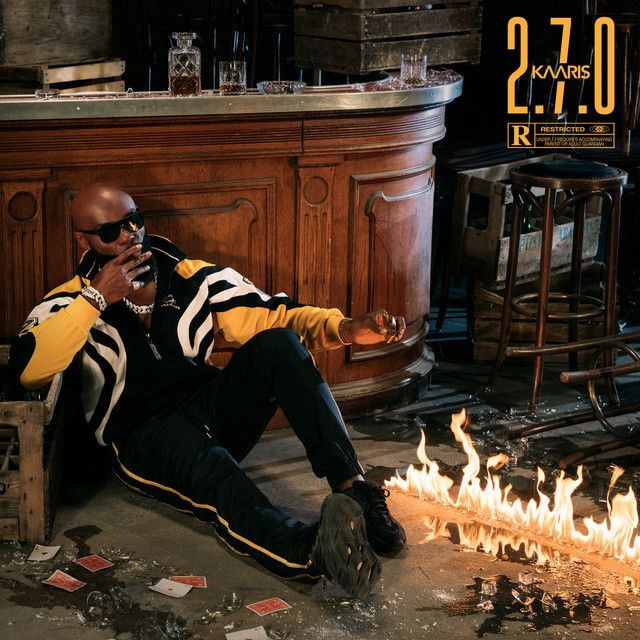
Deux Deux by Kaaris, Bosh
Why This Track Hits So Hard
The meaning of Deux Deux Kaaris, Bosh comes down to urgency, intimidation, and survival in a harsh world. The song does not build a deep story with clear scenes and characters. Instead, they create a mood: fast exits, constant risk, street reputation, and a mindset shaped by danger.
"Deux Deux" - Kaaris, Bosh
Sheuboni, hey (Takeshi-San)
Yeah, yeah, 2.7
Loading lyrics...
Unable to load lyrics
We're unable to display the lyrics at this time. Please try again later.
Kaaris has long been one of the defining voices in French trap, especially after Or Noir, while “Deux Deux” appeared on his 2020 album 2.7.0. That context matters. This is not an outlier track. It fits his larger style: heavy menace, clipped delivery, and images of power that sound both real and mythic.
For U.S. listeners, the song may feel similar to hard trap records where the point is not confession but presence. They are not asking for sympathy. They are showing how they want to be seen.

Watch the official Deux Deux
music video
A Chorus Built on Immediate Action
The hook gives the song its whole engine. When they repeat en deux-deux
, they are using a French phrase that means doing something very quickly. Paraphrased, the chorus says they must leave, move, or react at once.
That quickness is more than slang. It becomes a philosophy. The song imagines a life where hesitation can be costly, so speed equals survival. The line suffit d'un instant T
pushes that idea further: one moment is enough for everything to change.
Y a les 22faut que j'm'arrache en deux-deux
In context, that brief burst sounds like an alarm. Even without spelling everything out, they suggest pressure from police, rivals, or the general heat of street life. Interpretation: the chorus turns panic into swagger. They do not sound frightened; they sound trained.
The Verses Turn Status Into Armor
Much of the track is made of boasts about cars, money, designer labels, and weapons. On the surface, that can sound like standard rap flexing. But in “Deux Deux,” status is not just luxury. It is armor.
When Kaaris mentions an AMG, a Rolex, or brands like Gucci and Fendi, he is not suddenly becoming glamorous. He keeps tying those items back to the street. One key phrase is j'pue la rue
, which they use to say that no matter how rich they look, they still carry the smell, codes, and scars of their environment.
That is central to the meaning of Deux Deux Kaaris, Bosh. Success has not softened them. In the song’s logic, it has only made them more visible and more dangerous.
Animal Images and the Refusal to Be Civilized
The chorus also calls the speaker an animal sauvage
. That image matters because it rejects polish, patience, and social restraint. They present themselves as wild on purpose.
In plain terms, the song says they do not move like normal people with safe routines. They move by instinct, pack logic, and force. That image helps connect the luxury references with the threats. A wild animal can wear expensive things in this song, but it is still a predator.
Interpretation: this is also a persona-building move. Kaaris often uses larger-than-life imagery, and here the animal language makes the speaker seem less like one individual and more like a force.
Street Life as Myth and Routine
One striking thing about “Deux Deux” is how casually it mixes violent imagery with everyday movement. A drive, a transaction, a flex, a warning, a joke, and a threat all sit side by side.
That casual tone is important. They are not stopping to explain the stakes. The song assumes this world is normal to them. References to nighttime movement, quick retaliation, and disappearing acts make the street feel like both a routine schedule and a dark legend.
There is even a Houdini comparison, which turns escape into a kind of magic trick. That line suggests skill, but also emptiness: hit hard, vanish, repeat. It is a life built on motion, not peace.
How the Sound Carries the Message
Production matters a lot here. AllMusic credits “Deux Deux” to Kaaris featuring Bosh, with production associated with Takeshi-San and Franglish in the song listing on AllMusic. The beat is sparse, cold, and bass-heavy.
That emptiness gives every threat more room. Instead of burying the vocals in a busy instrumental, the production leaves open space, so each bar lands like a blunt object. The drums feel mechanical and relentless, which fits the lyrics’ obsession with reaction time.
Bosh helps sharpen that effect. Kaaris sounds heavy and seasoned; Bosh brings a tighter, more cutting energy. Together, they make the song feel like two versions of the same warning: one massive, one quick.
Artist Context Sharpens the Reading
Kaaris, born in Abidjan and raised in Sevran, became one of the major names in French trap, and Or Noir is widely treated as a landmark in that lane. That history helps explain why “Deux Deux” sounds so fully formed. He is working inside a style he helped popularize, not trying it on for the first time.
The track also charted strongly in France, reaching the top 10 according to discography listings collected on Wikipedia and chart databases cited there. That reception suggests the song connected not just because of shock value, but because its mood and language matched what listeners already expected from Kaaris at this stage.
Final Read on “Deux Deux”
So what is the song really saying? The meaning of Deux Deux Kaaris, Bosh is that life in their world moves fast, trust is thin, and identity is built through force, readiness, and reputation. Money and style matter, but only because they prove survival and dominance.
Interpretation: beneath all the flexing, the song may also reveal a trap of its own. If they must always move quickly, stay armed, and remain untouchable, then power comes with permanent instability.
That tension is what gives “Deux Deux” its charge. It sounds triumphant, but never safe.
Disclaimer: This interpretation is based on the lyrics, performance, and available artist context. Like many rap songs, “Deux Deux” mixes persona, exaggeration, and reality, so different listeners may read it differently.








