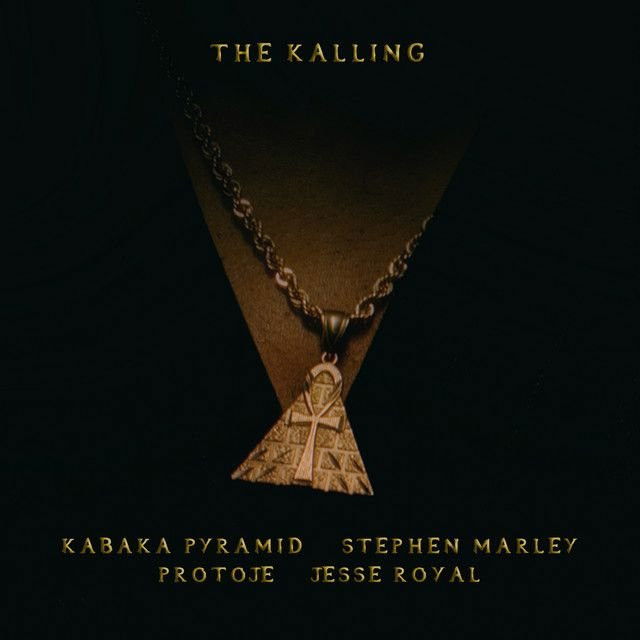
The Kalling by Kabaka Pyramid, Stephen Marley, Protoje, Jesse Royal
They don’t just chant; they mobilize. For listeners in the United States searching for the meaning of The Kalling Kabaka Pyramid, Stephen Marley, Protoje, Jesse Royal, this track stands as a modern roots summons. It’s a call to youth, to community service, and to spiritual responsibility—delivered with classic reggae muscle.
"The Kalling" - Kabaka Pyramid, Stephen Marley, Protoje, Jesse Royal
Youth force, it's your time
Rastafari call you, call you, call you
Loading lyrics...
Unable to load lyrics
We're unable to display the lyrics at this time. Please try again later.
A rally for service over image
The chorus centers on urgency: Youth force, it’s your time
. That line frames the hook as a recruitment poster for positive change. When they repeat Rastafari call you
, they position faith as an active duty, not a private label.
Kabaka and company spell out what that duty looks like in real life: Hungry fed, naked be clothed
. The song insists Rastafari isn’t about styling or surface. It’s about care work, protection of the vulnerable, and truth-telling that reflects a higher standard.

Watch the official The Kalling
music video
Who’s speaking, and to whom
Multiple narrators—Kabaka Pyramid, Protoje, and Jesse Royal—speak as disciplined messengers. Stephen Marley anchors the chorus with a warm, elder presence. Together they address young people directly. The tone is firm but encouraging, like mentors handing over a torch.
The voice often shifts from individual resolve to a collective “we,” signaling that the mission isn’t solo heroism. It’s a movement. That choice makes the message feel communal and achievable.
What happens across the verses
- First, the call goes out. The reception must be clear—no excuses, no static.
- Next, they lay out the job: feed, clothe, nourish, protect—practical service comes first.
- Then they flip war imagery into art-as-ammunition. Lyrical “rapid fire” means ideas and rhythms push back against ignorance and apathy.
- Finally, they pledge endurance: never surrender to corruption or fear.
Each step returns to the chorus, which keeps the mission simple and memorable.
The hook as a mission statement
The refrain’s repetition turns a spiritual idea into a public countdown. Youth force, it’s your time
doubles as invitation and accountability. Rastafari call you
gives the summons moral weight—service isn’t optional; it’s a core value.
Interpretation: The chorus works like a mantra, building courage. The more they repeat it, the more it sounds like the start of a march.
Symbols and metaphors decoded
- Frontline: Not a battlefield of bullets, but a place of visibility and risk—protests, schools, studios, community kitchens.
- Banner: Carrying a standard means representing principles wherever they go.
- Magazine/rapid fire: Lyrics and ideas act as rounds, aimed at falsehood and despair.
- Clear reception: The call must cut through noise—distraction, cynicism, or empty ritual.
- Truth grip: A
firm grip on the truth
is their defense against propaganda and trend-chasing.
These images add intensity without glamorizing violence. They translate discipline and courage into reggae’s familiar militant-poetic style.
Sound that carries the charge
The production leans into roots reggae fundamentals: deep, rubbery bass; crisp drums with a one-drop pulse; skanking guitars; and layered harmonies. Stephen Marley’s vocal timbre brings warmth and gravitas, balancing the verses’ sharper edges. The mix feels analog-leaning and breathable, giving every voice space.
Together they embody the phrase word, power and the sound
: message, conviction, and musical weight arriving as one. The sonic choices—steady tempo, grounded low end—signal perseverance over flash.
Social lens and Rastafari ethics
They point to real pressures: poverty, unstable homes, and over-policing. Instead of stopping at critique, the song urges inner discipline: Revolution start within
. It rejects empty dogma in favor of action—how they live, spend, speak, and make art.
Interpretation: The track argues that spiritual identity without community service is hollow. By tying faith to concrete care, it turns belief into a civic ethic.
Alternate ways to hear it
- Interpretation 1: A youth service pledge. The “frontline” is schools, farms, clinics, studios—any place where help is needed.
- Interpretation 2: A musician’s creed. “Ammunition” is craft and catalog; the frontline is the stage. Artists must choose truth over clout, and culture over hype.
Both can be true at once. The song’s power is its openness—anyone can step forward.
Why it resonates now
Released on Kabaka’s 2022 album The Kalling, the track arrived during a wave of renewed roots energy. The album’s later Grammy win underlines how this message travels: people still want songs that tell them who they can be together, not just what to stream alone.
Takeaway
The meaning of The Kalling Kabaka Pyramid, Stephen Marley, Protoje, Jesse Royal is simple and serious: answer the summons, serve your people, and keep your art aligned with your ethics. The chorus isn’t a slogan—it’s a start line.
Disclaimer: Song interpretations reflect critical reading and may differ from the artists’ own views.









